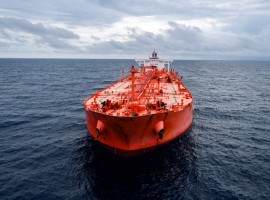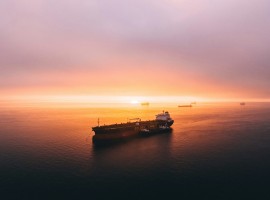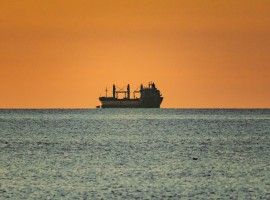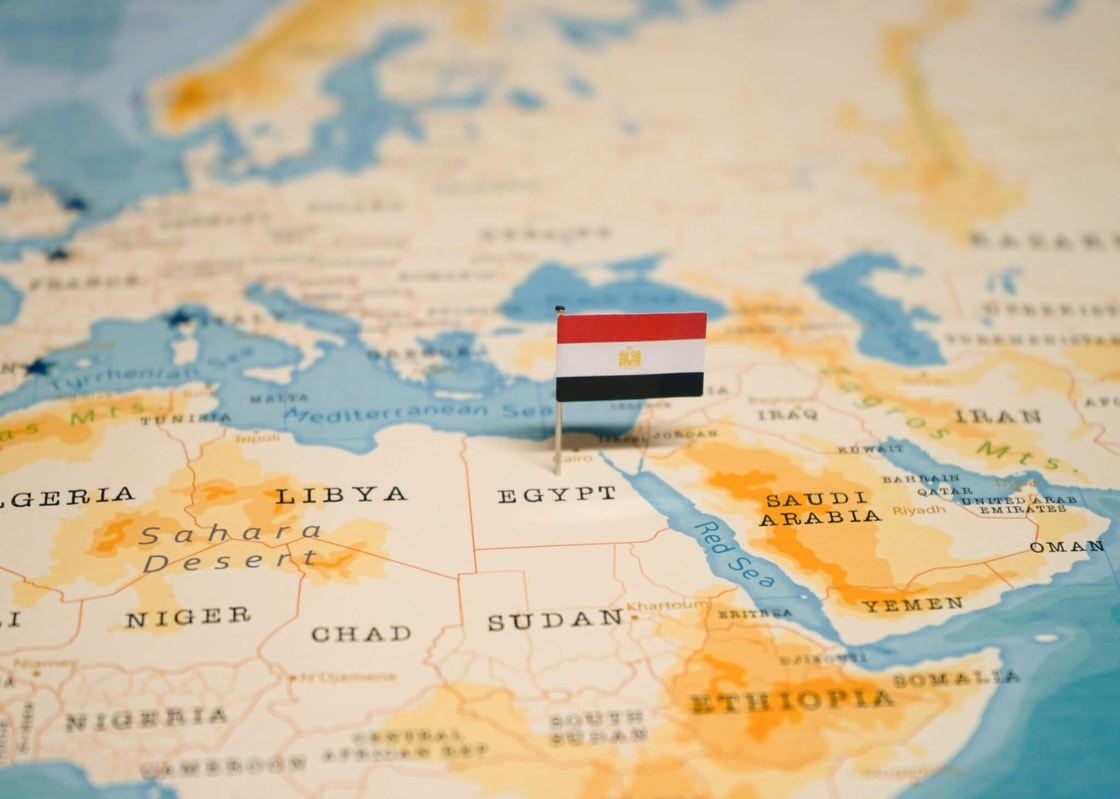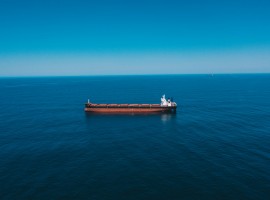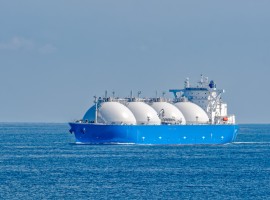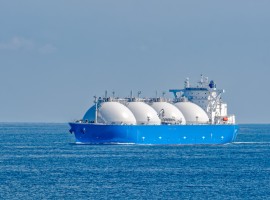
Another LNG carrier loaded with Qatari gas has passed through the Strait of Hormuz this week, bringing the total number of Qatari LNG cargoes that have cleared the chokepoint since the start of the war to five, Reuters reported today, citing data from Kpler and LSEG.
The report noted that all in all, nine LNG vessels have exited the strait since February 28, including Qatari and Emirati cargoes. Meanwhile, a ballast LNG carrier has entered the Strait of Hormuz without issues, set to load at the UAE’s Das Island, according to Vortexa data, cited by Reuters.
“In the UAE, satellite imagery confirmed that ADNOC’s Al Hamra carrier was near the Das Island terminal late last week, having completed an inbound transit of the chokepoint,” the analytics firm said. The tanker returned from a journey to deliver an LNG cargo to India.
The threat to tankers attempting to pass the Strait of Hormuz has created a new shipping reality in the Persian Gulf. Dark-mode activity, with transponders switched off, is no longer for Iran-linked vessels only. It has spread to commercial shipping of non-sanctioned barrels and other goods that typically move through the chokepoint, data from Vortexa showed last week. Dark transits through the Strait of Hormuz have accounted for 57% of all transits recorded over the period, peaking at 65.2% in May.
Overall, oil and gas flows out of the Gulf remain a fraction of their pre-war levels, despite the adoption of “dark mode”. Still, there has been an increase in the number of tankers clearing the Strait of Hormuz in the past couple of weeks. Some of these were granted safe passage by the Iranian forces after negotiations between the governments of the receiving countries and Tehran.
Earlier this week, Tehran said that traffic in the Strait of Hormuz will reopen, but shippers would have to pay a toll to pass through the chokepoint.
By Irina Slav for Oilprice.com
More Top Reads From Oilprice.com
- EU Says No Jet Fuel Shortage Coming Despite Middle East Supply Loss
- UK Conservatives Blast Labour North Sea Ban as ‘Utter Madness’
- Australia’s 344-Million-Barrel Oilfield Could Finally Get the Green Light