The Nordic Investment Bank (NIB) has approved a EUR 55.5 million financing package to support a major infrastructure modernisation programme at the Port of Klaipėda in Lithuania, including the development of the country’s first green hydrogen production and refuelling hub.
The funding will support a broader EUR 111 million investment initiative led by the Klaipėda State Seaport Authority, aimed at strengthening port infrastructure, enhancing maritime sustainability, and improving operational resilience.
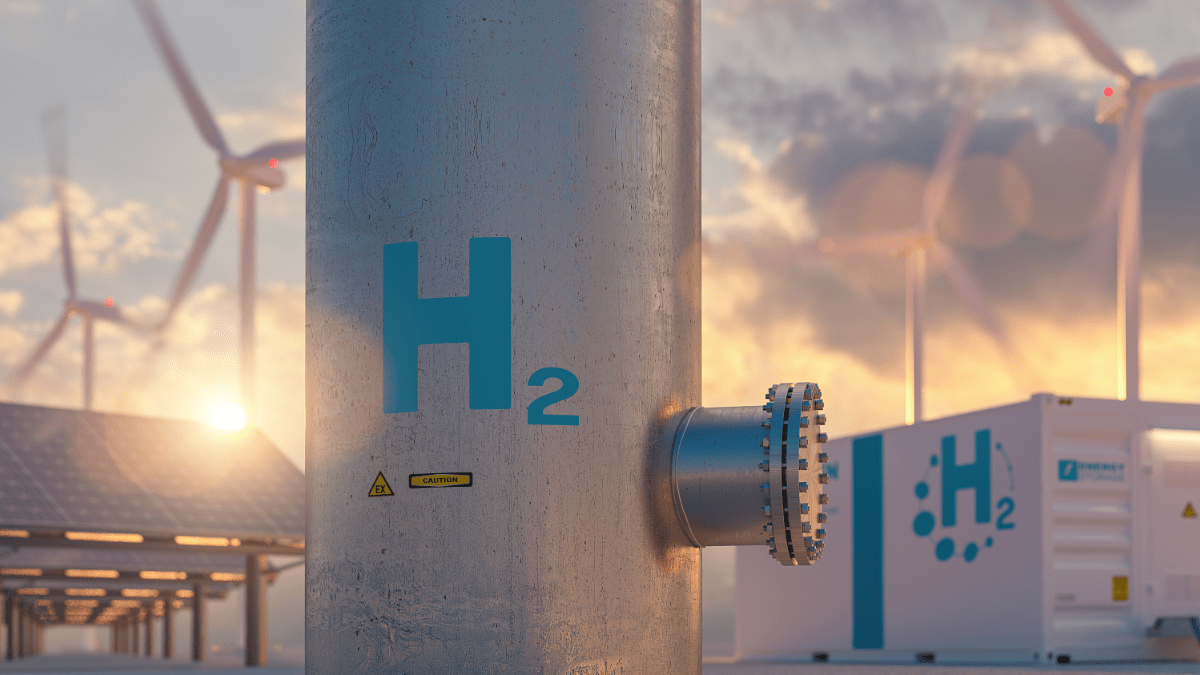
A key component of the project is the establishment of a green hydrogen facility using Proton Exchange Membrane (PEM) electrolyser technology. The plant is expected to produce approximately 127 tonnes of green hydrogen annually and will provide refuelling services for passenger vehicles, heavy-duty transport, and future maritime applications, including hydrogen-powered vessels.
The investment programme also includes the installation of shore-side electricity infrastructure for docked ships, enabling vessels to reduce emissions while berthed at the port. Additional upgrades will focus on radar systems, cyber security infrastructure, navigational safety, and expanded passenger and cruise terminal facilities.
According to NIB, the project aligns with wider European Union decarbonisation goals and supports the transition of Baltic ports into integrated clean energy and logistics hubs. The modernisation programme is also expected to strengthen Klaipėda’s role in supporting offshore wind development and regional energy security initiatives.
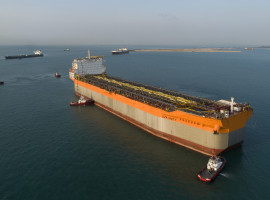
The Port of Klaipėda is Lithuania’s largest seaport and a strategically important gateway for cargo transport and energy infrastructure in the Baltic region. The planned upgrades are expected to improve port efficiency, accommodate larger vessels, and enhance the competitiveness of the port within Northern Europe’s maritime sector.
The financing reflects increasing institutional investment in integrated infrastructure projects that combine clean energy deployment, transport modernisation, and climate-focused development strategies across Europe.
Subscribe to get the latest posts sent to your email.