The government of Nigeria has revealed that about $23 billion will be needed to provide reliable electricity to communities that still lack proper power access across the country. The estimate was shared by Abba Abubakar Aliyu, Managing Director of the Rural Electrification Agency, during the launch of a solar project at the United Nations House.
The financial estimate comes from a detailed nationwide mapping exercise carried out by the agency. The survey identified nearly 143,000 communities with different levels of electricity access. These communities range from large urban settlements to small rural clusters. For example, one community in Lagos has more than 2.5 million households, while some rural areas have only two homes.
According to Aliyu, the mapping project helped the agency understand the best and most affordable ways to provide electricity in each location. In some areas, extending the national grid would be the best option. In other places, smaller and decentralized systems such as solar mini-grids or standalone solar systems could provide power more efficiently.
Aliyu explained that the $23 billion estimate shows the scale of the challenge Nigeria faces in achieving universal electricity access. At the same time, he said the transition toward cleaner and more reliable energy is already happening. As an example, he highlighted the “Greening of the UN House” project recently launched in Abuja.
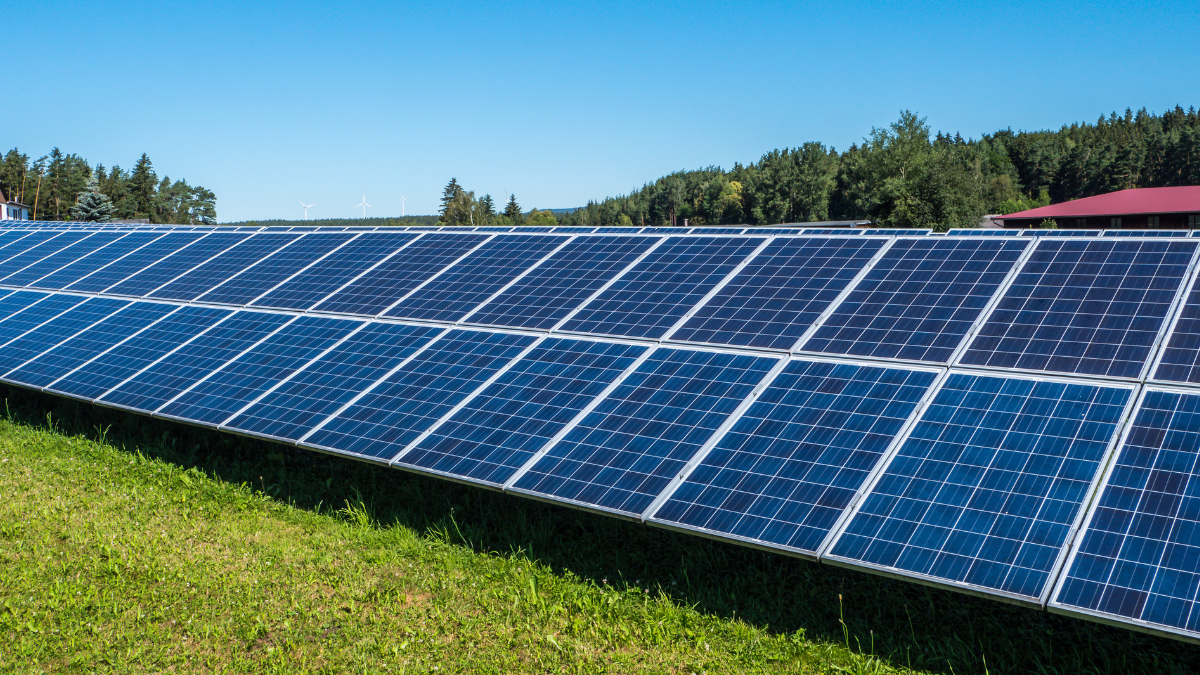
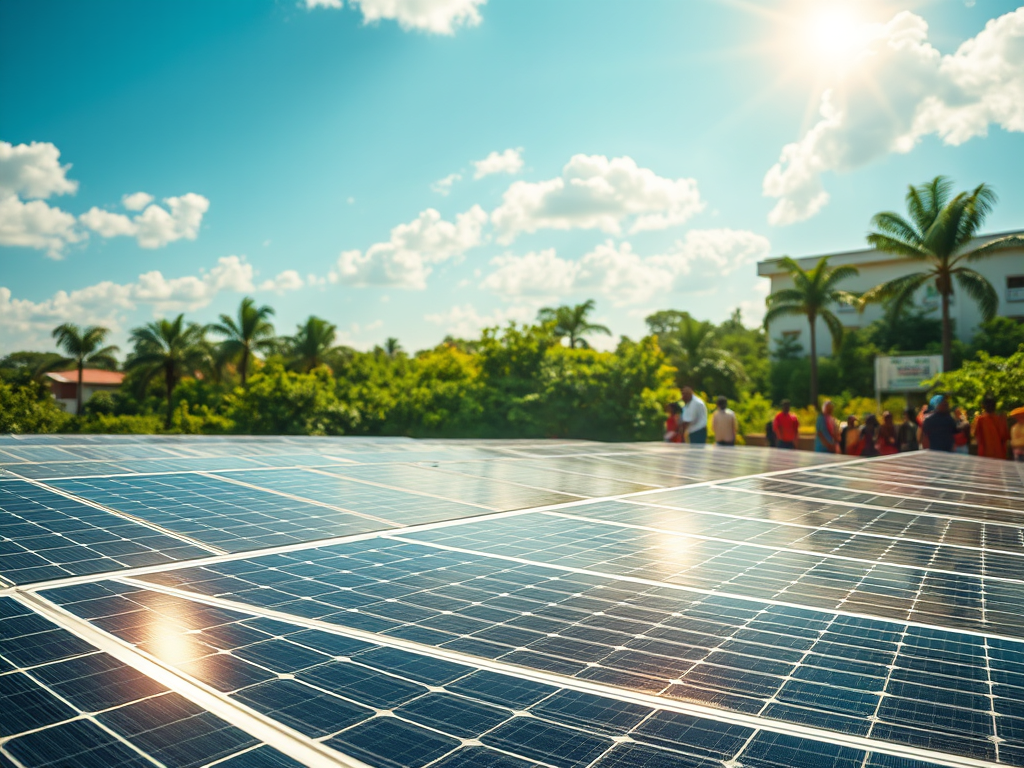
The first phase of this initiative includes a 400-kilowatt solar microgrid supported by battery storage and smart management technology powered by artificial intelligence. The system is expected to improve power reliability and reduce dependence on traditional electricity .
Officials from the United Nations said the project will significantly reduce operating costs. The organization expects the solar system to cut its annual electricity expenses by about 40 percent. This could lead to savings of nearly N216 million each year while also reducing carbon emissions by around 300 tonnes.
Mohammed Fall, the UN Resident Coordinator in Nigeria, said the country has a major advantage because of its strong solar resources. He noted that Nigeria receives abundant sunlight, which creates strong potential for solar power development. Fall said the project could serve as a model for other institutions, showing that renewable energy can be both environmentally friendly and financially beneficial.
Meanwhile, the government reaffirmed its commitment to strengthening the country’s power sector. Mahmuda Mamman, Permanent Secretary representing the Minister of Power, said the initiative aligns with the Electricity Act 2023, which aims to modernize the electricity sector and encourage private investment in renewable energy.
Through a combination of policy reforms, advanced technology, and partnerships, Nigeria hopes to close its electricity gap and deliver cleaner and more reliable energy to millions of people who still live without stable power.
Subscribe to get the latest posts sent to your email.