(Bloomberg) – Nigeria is moving to channel a larger share of oil and gas revenue into state coffers as part of broader fiscal reforms aimed at strengthening public finances and improving transparency in the upstream sector.
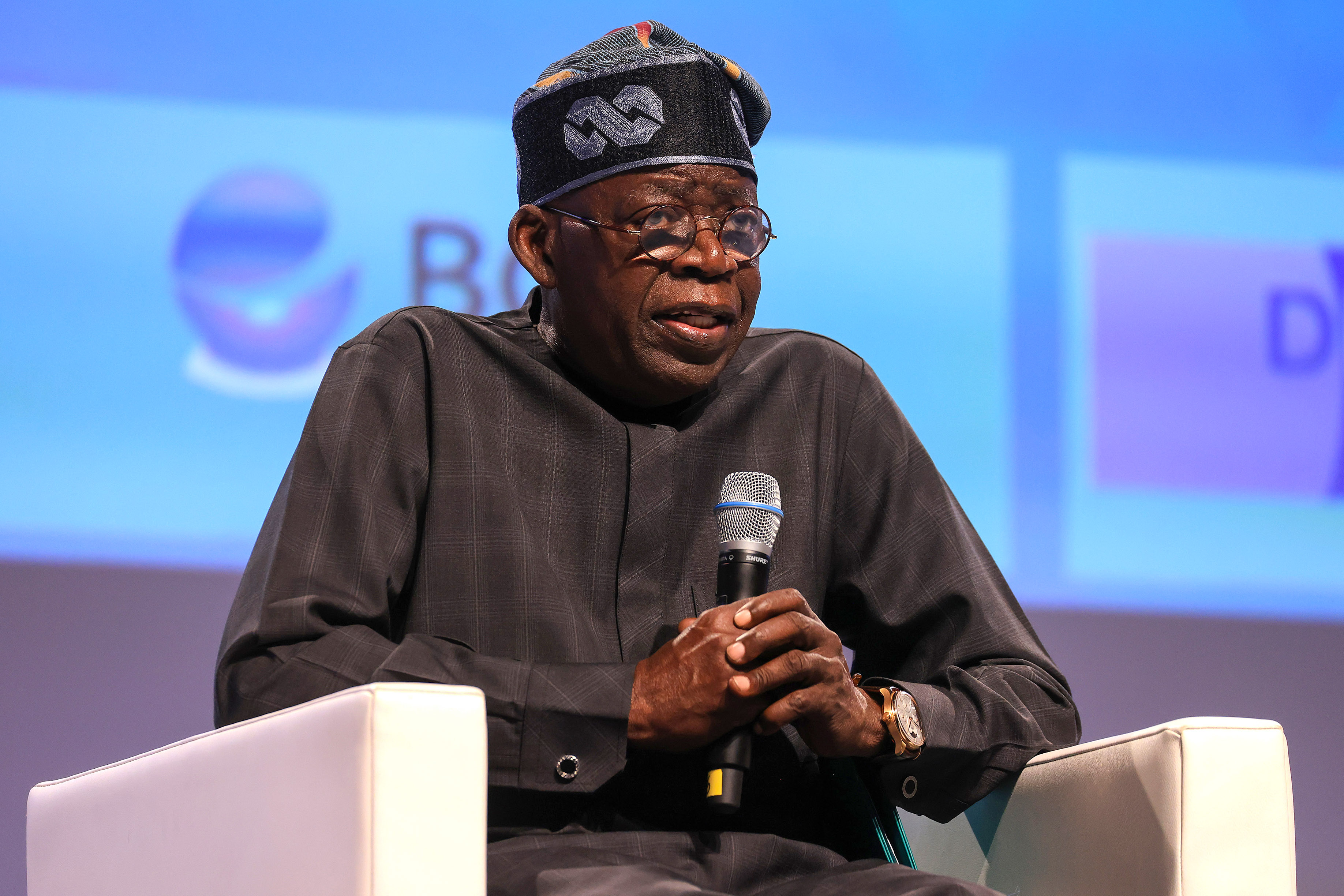
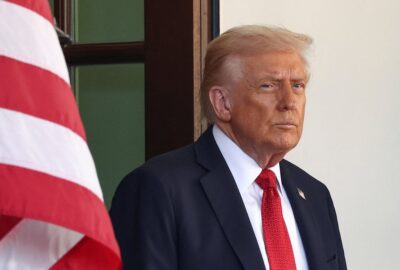
Nigerian President Bola Tinubu. Image: Bloomberg
Under a new directive signed this month, all income from production-sharing contracts will be paid into the Federation Account rather than being partially retained by the state-owned Nigerian National Petroleum Company (NNPC). The order also eliminates certain management-fee deductions and exploration allocations that the company previously withheld from contract proceeds.
President Bola Tinubu said the move is intended to ensure oil and gas revenues reach federal, state and local governments more directly. “When revenues meant for federal, state, and local governments are trapped in layers of charges and retention mechanisms, development suffers,” he said in a statement announcing the change.
Nigeria has faced persistent revenue constraints and rising debt-servicing costs in recent years, prompting the government to pursue a series of fiscal and energy-sector reforms aimed at improving cash flow and attracting investment. Analysts say the new directive could immediately increase distributable revenue across all levels of government by limiting the NNPC’s ability to retain upstream earnings before remitting them.
The measure follows earlier changes under the 2021 Petroleum Industry Act, which transformed NNPC into a commercial entity and allowed it to retain a greater share of oil and gas proceeds. Officials indicated an implementation committee will oversee the new directive and review broader fiscal provisions affecting the country’s upstream sector.
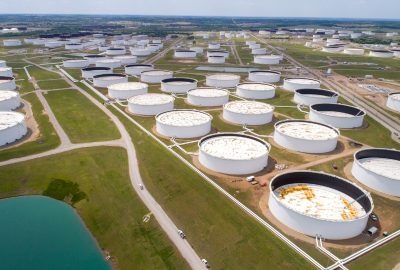
Top image: African Energy Chamber (AEC).