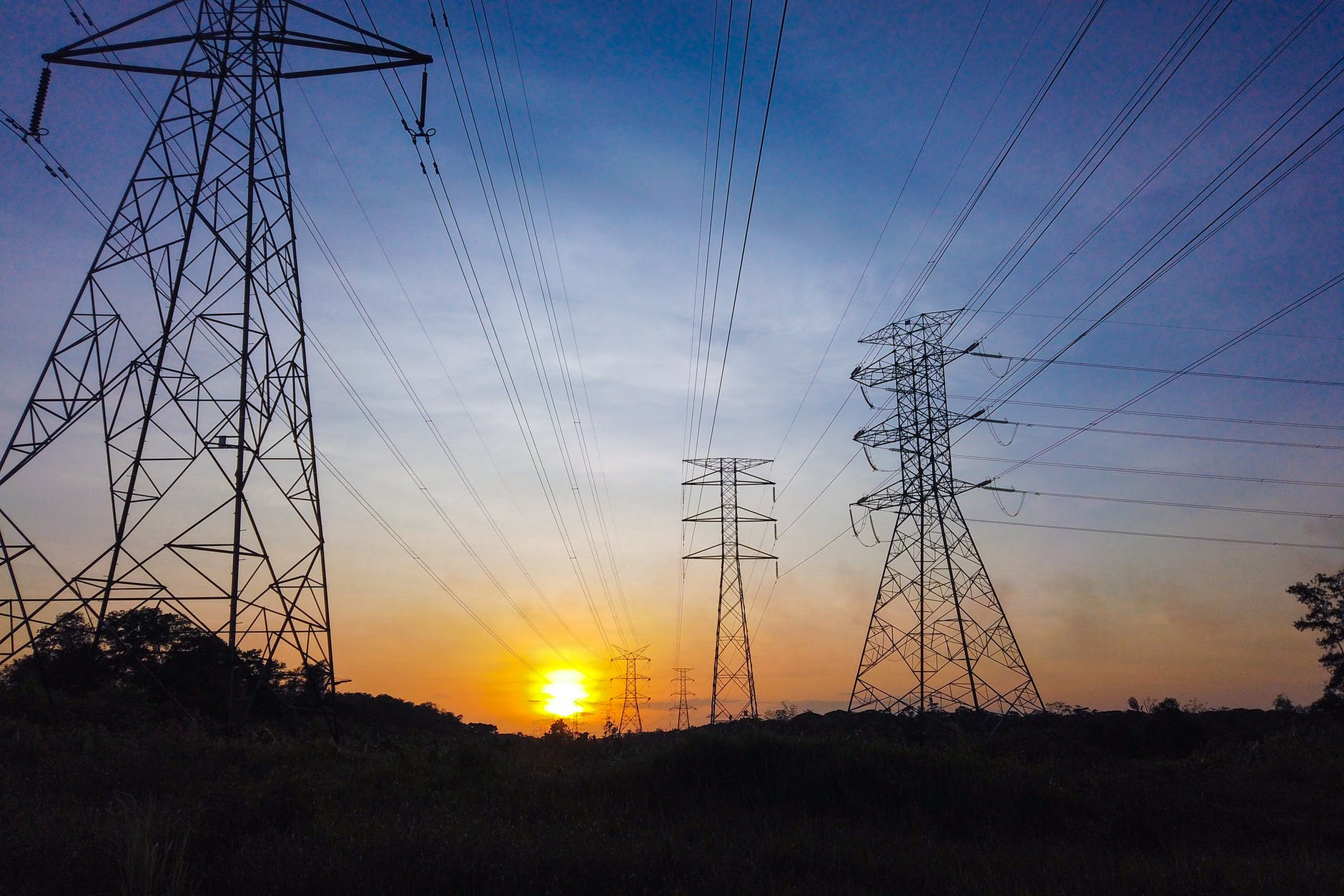
The Nigerian Independent System Operator (NISO) has reduced electricity transmission losses to 7.05%, marking a significant improvement from nearly 10% recorded at the early stages of its operations. The development reflects ongoing efforts to enhance efficiency and stability across Nigeria’s power sector.
The reduction in losses is attributed to a series of operational and technological reforms aimed at strengthening grid performance. NISO has implemented improved coordination mechanisms across generation, transmission, and distribution segments, alongside enforcing compliance with grid operational standards.
A key measure includes the enforcement of free governor mode operations in power plants, enabling automatic response to frequency fluctuations and supporting grid stability. In addition, the deployment of advanced technologies such as IoT-based metering, SCADA/EMS systems, and enhanced telemetry infrastructure has enabled real-time monitoring and more efficient grid management.
Established under the framework of the Electricity Act 2023, NISO plays a central role in Nigeria’s electricity market reforms, focusing on improving transparency, strengthening governance, and supporting the transition toward a more competitive power sector.
As part of its broader strategy, NISO is also advancing initiatives such as grid islanding to minimize the risk of widespread outages and improve system resilience. The operator has set a target to further reduce transmission losses to between 5% and 6% in the coming years.
Despite the progress, challenges remain, including constraints in gas supply, legacy infrastructure limitations, and the need for sustained investment and regulatory alignment.
The latest developments underscore Nigeria’s ongoing transition toward a more efficient, technology-driven, and resilient power system, aimed at ensuring reliable electricity supply and strengthening overall sector performance.
Subscribe to get the latest posts sent to your email.