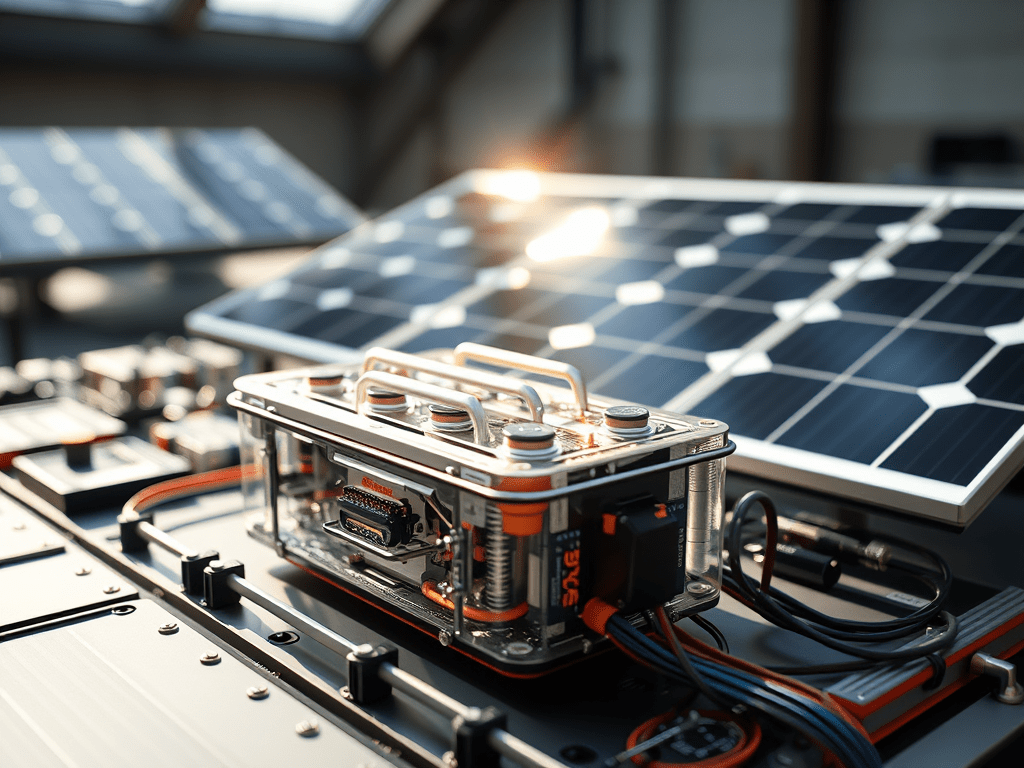
In a joint move to boost renewable energy adoption and ease cost-of-living pressures, the Minns and Albanese Labor Governments have announced a significant increase in financial incentives for New South Wales (NSW) households and small businesses investing in solar batteries and Virtual Power Plants (VPPs).
Under the new measures, residents and businesses could receive nearly $5,000 in upfront benefits for a standard battery system, with the combined support of both state and federal programs. The initiative aims to make solar battery systems more affordable while strengthening grid stability and contributing to national Net Zero targets.
Federal Support Through Cheaper Home Batteries Program
The Albanese Government’s $2.3 billion Cheaper Home Batteries Program will provide upfront discounts of around 30% on small-scale battery installations. This translates into savings of approximately $10,000 for larger battery systems, such as a 27 kWh unit typically priced at just over $30,000. The federal discount effectively doubles the previous level of support available to NSW consumers.
“The Albanese and Minns Labor Governments are teaming up to double the benefits available to NSW households and small businesses,” Federal Minister for Climate Change and Energy Chris Bowen said. “We’ll help more people in NSW access cheap, fast and safe solar energy in their homes and businesses, night or day, when they need it.”
NSW Incentives Enhanced for Virtual Power Plant Connections
Starting 1 July 2025, the Minns Labor Government will increase its incentive to up to $1,500 for households and small businesses that install a solar battery and connect it to a Virtual Power Plant. The state incentive is based on battery size and stacks with the federal subsidy, further reducing the upfront cost.
The NSW Government’s program shift reflects a broader strategy to encourage battery owners to participate in VPPs — networks of distributed batteries that collectively store and dispatch energy during peak demand periods. This not only allows participants to generate revenue but also alleviates pressure on the state’s electricity grid, stabilizing supply and lowering prices.
“We know the best benefit for the grid comes when these batteries are linked together, and NSW wants to be world-leading in encouraging households and small businesses to be a part of that,” NSW Minister for Climate Change and Energy Penny Sharpe said.
Program Success and Future Expansion
The NSW Government’s battery incentive program has already driven more than 11,400 installations within just six months. From July, anyone who installed a compatible battery under the NSW incentive since November but has not yet joined a VPP will be eligible for the newly increased incentive.
The Clean Energy Regulator will oversee the safe installation of home batteries under the Commonwealth’s program, ensuring products and installers meet national standards. The expanded programs build on Australia’s established rooftop solar success, with over 4 million installations and one-third of homes now generating solar power.
Looking ahead, the NSW Government plans to explore additional opportunities under the NSW Peak Demand Reduction Scheme, including potential incentives for new energy-saving activities.
Strengthening the Grid, Reducing Bills
Virtual Power Plants play a crucial role in modernizing the energy system by reducing strain on the grid during high-demand periods. This coordinated approach helps prevent price spikes, improves energy security, and brings Australia closer to its decarbonization goals.
“By increasing battery uptake, we’re reducing demand on the whole grid, putting downward pressure on bills for everyone,” Minister Sharpe added.