

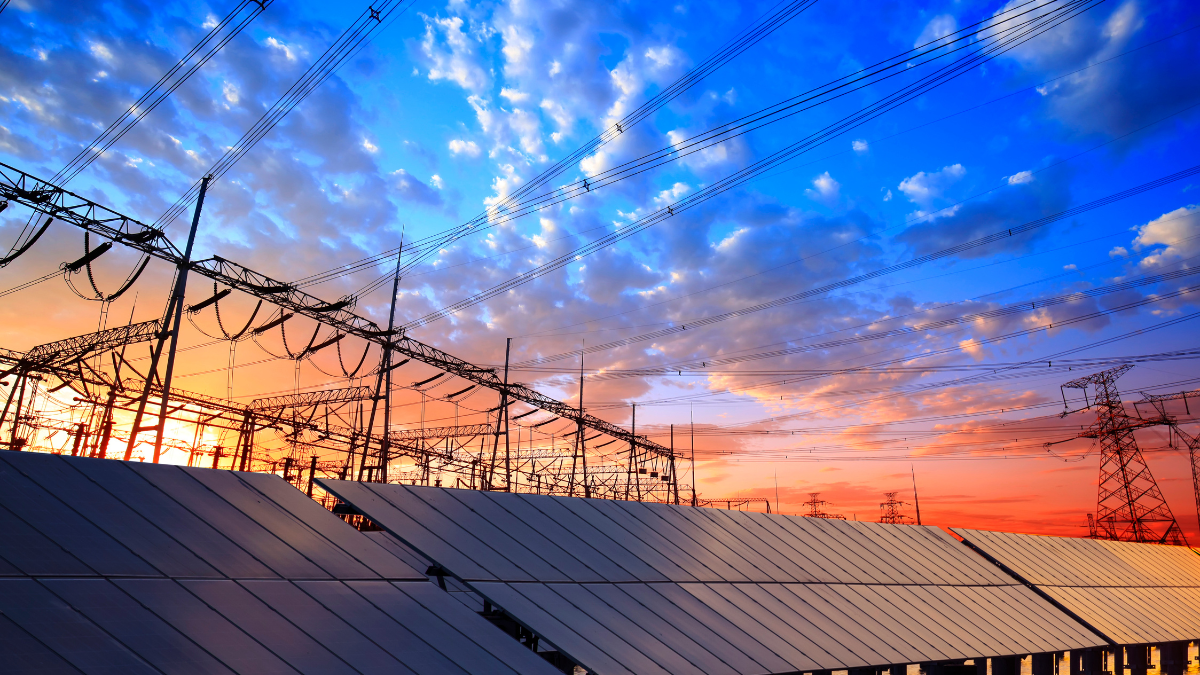
The National Transmission Company South Africa (NTCSA) has announced a series of measures to improve its administrative processes following a sharp increase in renewable energy curtailment claims. The move comes amid growing public attention on the reduction of renewable energy generation and the compensation paid to power producers when output is curtailed.
As South Africa continues its transition toward a more diversified energy mix, the NTCSA plays a critical role in managing the country’s evolving electricity system. The company stated that it remains committed to ensuring fair treatment of all market participants while maintaining grid reliability and keeping electricity costs as low as possible for consumers.
Currently, the NTCSA manages Power Purchase Agreements (PPAs) for 117 renewable energy projects with a combined installed capacity of 10,083 MW. As part of this responsibility, the company processes approximately R45 billion in annual payments to Independent Power Producers (IPPs). This payment volume is expected to increase further as additional renewable energy projects are connected to the national grid.
According to the NTCSA, an administrative backlog developed during April and May 2026 when the volume and complexity of curtailment claims rose significantly above normal levels. The sudden increase placed pressure on existing operational systems and created delays in processing and verification activities.
At present, around R2 billion worth of curtailment-related payments are undergoing verification and settlement. To address the backlog, the company has assigned additional resources and is implementing process improvements aimed at accelerating claim verification. The NTCSA emphasized that these measures will not compromise governance standards, contractual obligations, or financial controls.
NTCSA Chief Executive Officer Monde Bala said the company will continue strengthening its operational capabilities while supporting investments that contribute to a reliable, affordable, and renewable-powered electricity system beyond 2030. He noted that the company’s role as System Operator requires balancing affordability and grid stability with the fair treatment of all participants in the electricity market.
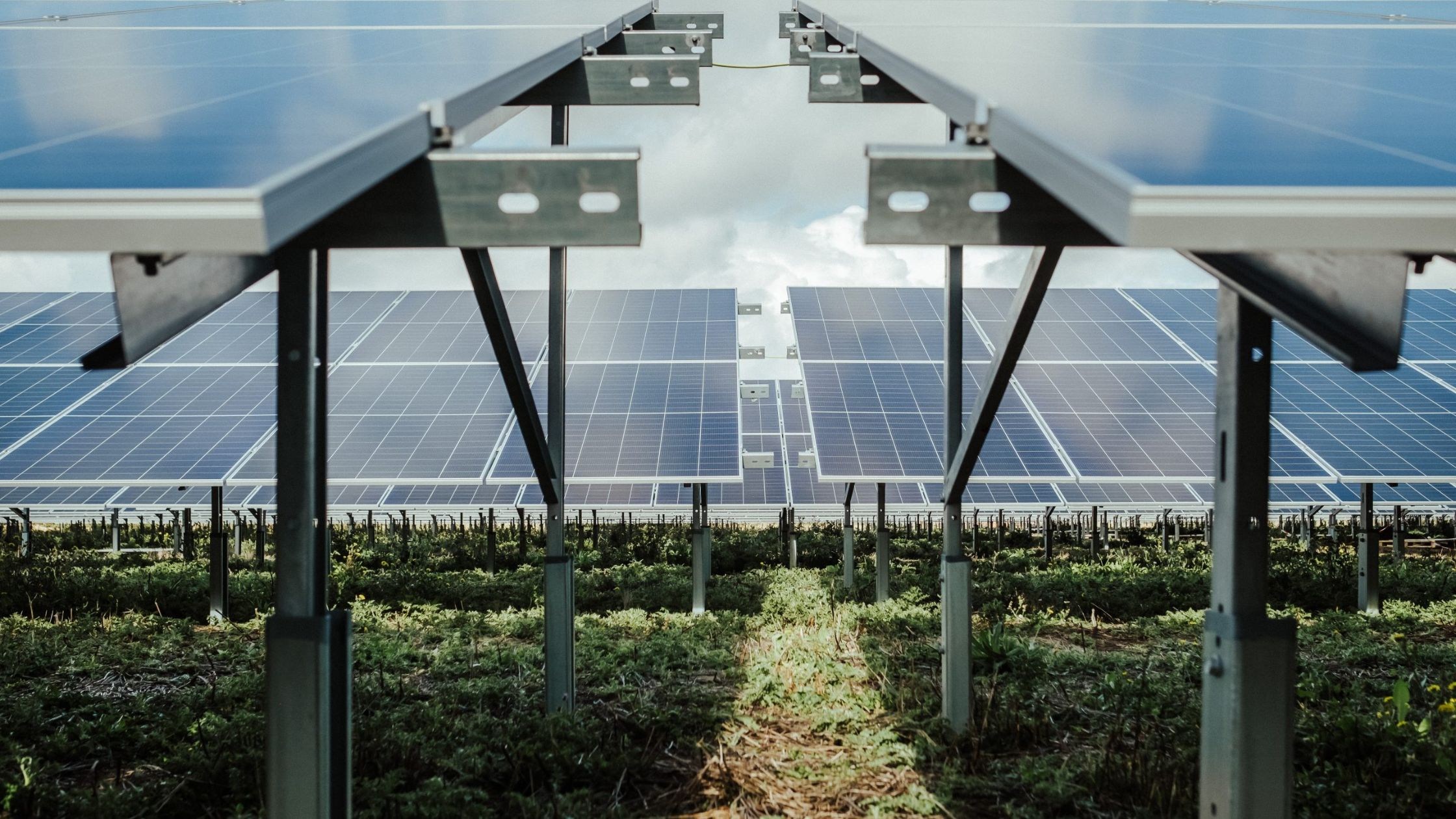
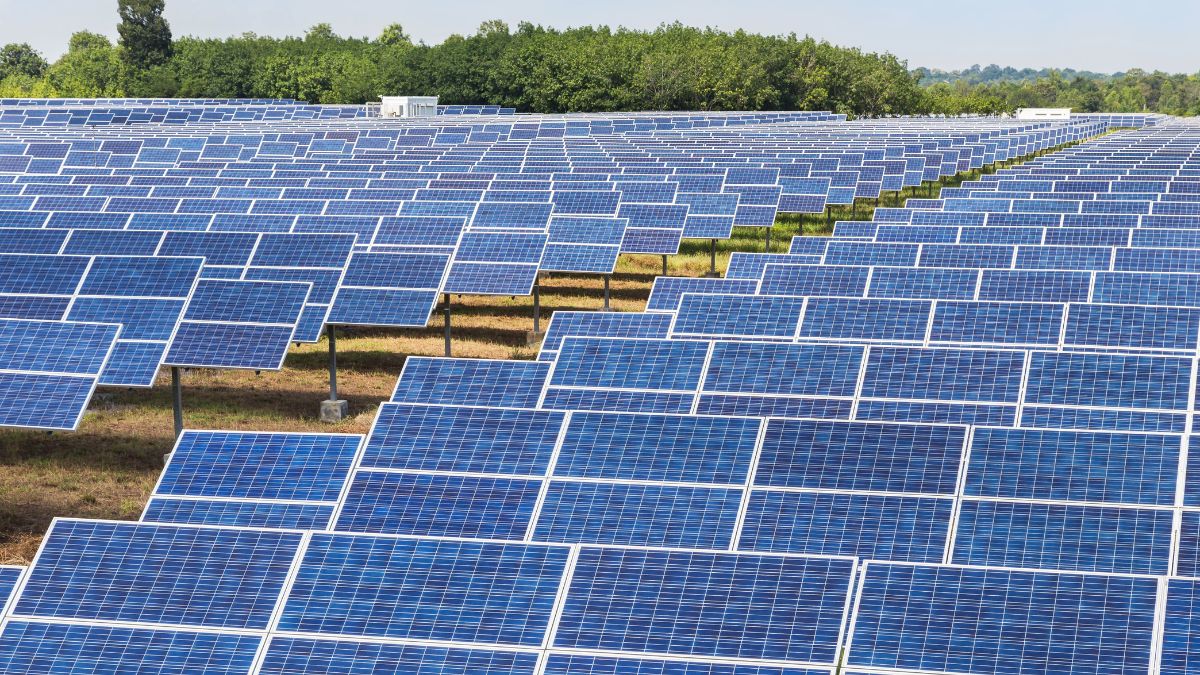
The company also explained that curtailment is a common practice in modern power systems with a high share of renewable energy generation. Curtailment occurs when power producers are instructed to temporarily reduce electricity output to maintain grid stability and reliability. This can happen due to transmission network limitations or when electricity supply exceeds consumer demand, particularly during midday periods when solar generation is at its highest.
The NTCSA highlighted that renewable energy sources such as wind and solar are variable by nature, meaning their peak production does not always align with peak electricity demand. To maintain a stable power supply, the system continues to rely on coal-fired baseload generation. Flexible resources such as hydroelectric and pumped-storage facilities are adjusted first to absorb excess electricity, with renewable energy curtailment used only as a final measure to ensure the grid remains balanced and secure.
Subscribe to get the latest posts sent to your email.





)