The Odisha Electricity Regulatory Commission has released a draft regulation titled “Renewable Consumption Obligation, Distributed Renewable Energy Sources and Renewable Energy Linked Concepts Regulations, 2026,” marking a significant step toward strengthening clean energy adoption in the state. The Commission has invited comments, suggestions, and objections from the public and stakeholders until May 8, 2026. Once finalized and published in the Official Gazette, these rules will be applicable across Odisha.
The draft regulation focuses on setting clear renewable energy targets for various electricity consumers. It identifies “Obligated Entities” and “Designated Consumers,” which include distribution companies, industries operating captive power plants, and open-access users. These entities will be required to either purchase or generate a fixed percentage of their total electricity consumption from renewable sources such as solar, wind, hydro, and biomass.
The Commission has proposed a structured trajectory for these targets over the coming years. For the financial year 2024-25, the total renewable consumption obligation has been set at 29.91 percent. This will gradually increase to 33.01 percent in 2025-26 and is expected to reach 43.33 percent by 2029-30. The targets are further divided into different categories, including wind energy, hydro energy, distributed renewable energy, and other renewable sources, ensuring a balanced growth across technologies.
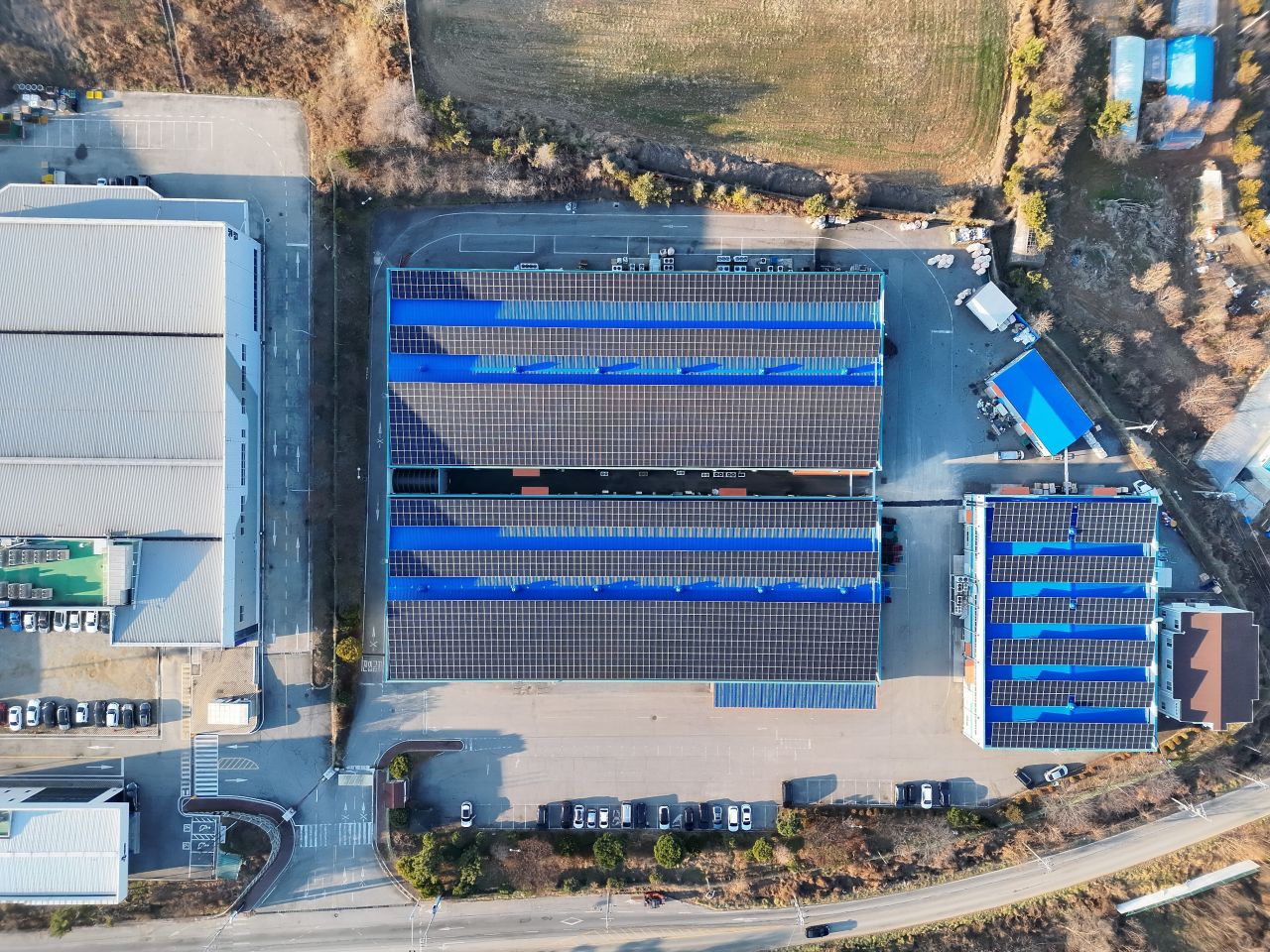
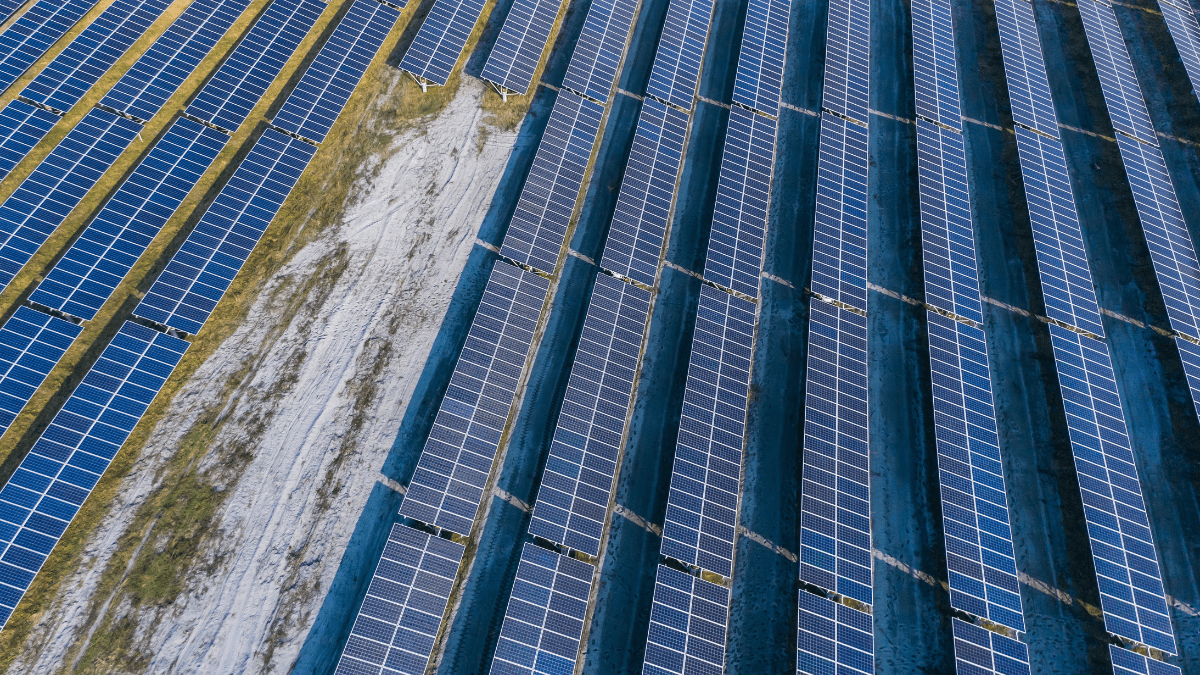
A key highlight of the draft is the strong emphasis on Distributed Renewable Energy (DRE). This category includes smaller renewable systems with capacities of up to 10 MW, such as rooftop solar installations under net metering, gross metering, and virtual net metering models. The regulation clearly states that DRE targets are non-fungible, meaning any shortfall in this segment cannot be compensated by excess generation from other renewable sources. However, surplus generation from DRE can be used to meet overall renewable obligations.
The draft also introduces advanced energy concepts aimed at improving grid flexibility and efficiency. It defines Energy Storage Systems, covering technologies such as battery storage, pumped hydro, and hydrogen-based storage. To qualify under the obligation, at least 85 percent of the energy stored must originate from renewable sources. In addition, emerging concepts like Vehicle-to-Grid, where electric vehicles can supply power back to the grid, and Virtual Power Plants, which aggregate small-scale renewable systems for market participation, have been included.
To ensure compliance, the state government will appoint a monitoring agency to oversee implementation. In cases where exact solar generation data is unavailable, the Commission has proposed a standard calculation method, using a multiplier of four units per kilowatt per day to estimate energy generation.
Through these proposed regulations, the Commission aims to modernize Odisha’s power sector, promote decentralized renewable energy, and steadily increase the share of clean energy in the state’s overall electricity consumption.
Subscribe to get the latest posts sent to your email.