By Stephen Burge
Crude oil has always been the heartbeat of the global energy system, but in 2025 it feels less like a steady pulse and more like an erratic rhythm. Prices have swung violently this year, as market fundamentals are increasingly overshadowed by geopolitics and weather-driven demand.
OPEC+ loses grip
The alliance of oil-producing nations has repeatedly attempted to steady prices with coordinated production cuts. Yet cohesion is slipping. Russia, under sanctions pressure, continues to leak extra barrels into the market. Some Gulf producers quietly exceed quotas to defend market share. As discipline frays, the market questions OPEC+’s ability to function as an effective cartel.
Middle East volatility
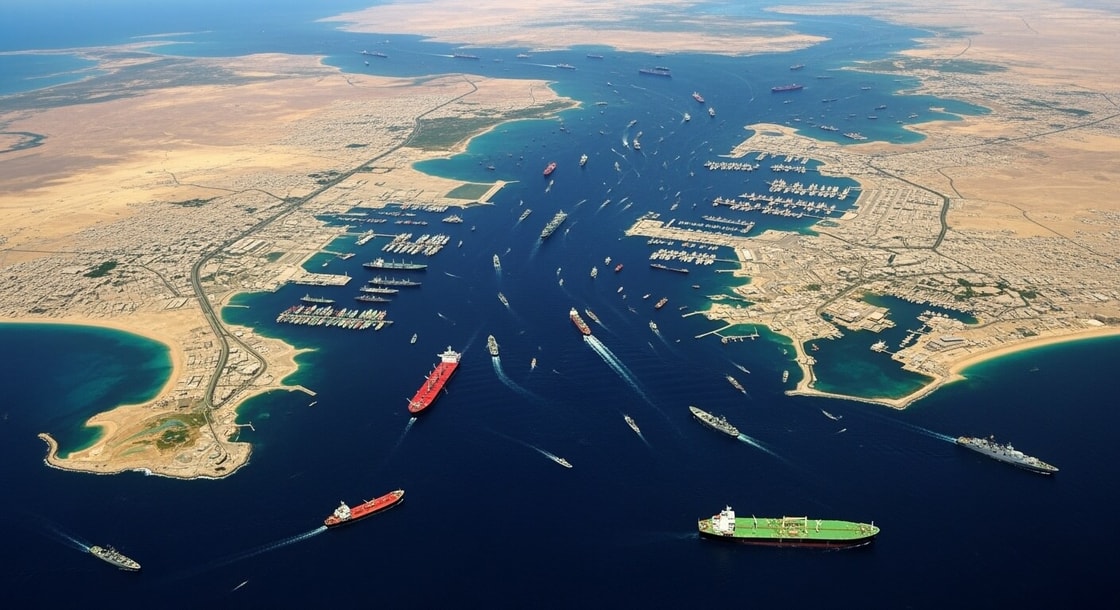
Meanwhile, geopolitical risk premiums remain high. Houthi drone strikes in the Red Sea, intermittent skirmishes in Iraq, and tensions in the Strait of Hormuz keep insurers nervous and shippers wary. Each incident sends tankers scrambling, reroutes trade flows, and briefly inflates freight rates.
Demand questions
Overlaying this is softer demand growth. China’s industrial recovery remains uneven, while Europe’s energy consumption continues to stagnate. The U.S. economy is resilient, but efficiency gains and electrification are gradually flattening gasoline demand.
Long-term underinvestment
A more structural issue is underinvestment. Since the 2014–2016 price crash, capital expenditure on upstream oil projects has lagged. ESG pressures and the push for decarbonization have further chilled appetite for new megaprojects. That sets the stage for potential shortages later in the decade, even if today’s market feels oversupplied.
What it means for shipping
For tanker operators, volatility is both a blessing and a curse. Disruptions create spikes in rates, but demand destruction can quickly reverse them. Owners are learning to live with whiplash, deploying vessels flexibly and embracing short-term charters.
The oil crossroads is clear: the market is no longer ruled by fundamentals alone, but by an unpredictable mix of politics, weather, and investor sentiment. Energy security is back at the top of the agenda, and volatility is becoming the new baseline.