Oil prices edged lower in early Asian trade on Friday morning after the United States issued a temporary license allowing countries to purchase Russian crude and petroleum products currently stranded at sea.
The move, which promises to provide some temporary relief to global oil markets, helped push Brent crude down 0.38% to $100.10 per barrel, while West Texas Intermediate futures dropped by 0.58% to $95.17 per barrel.
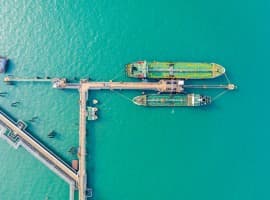
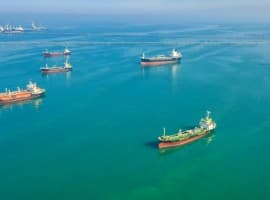
The 30-day waiver, permitting the purchase of Russian oil cargoes already loaded on tankers but left stranded by sanctions and market disruptions, is designed to ease the supply shock caused by tankers being unable to pass through the Strait of Hormuz.
Scott Bessent, the Treasury Secretary, emphasized that the waiver only applies to shipments already at sea and “will not provide significant financial benefit to the Russian government”.
The announcement comes as the United States and its allies attempt to counter the largest oil supply shock in decades caused by escalating hostilities across the Middle East. The U.S. Energy Department said earlier this week it would release 172 million barrels from the Strategic Petroleum Reserve to curb soaring fuel prices following the outbreak of war involving Iran.
That effort was coordinated with the International Energy Agency, which has agreed to release a record 400 million barrels from strategic reserves worldwide to help stabilize markets.
The relief provided by stockpile releases was short-lived, however, thanks to growing concerns of prolonged supply disruptions as Iran continued to attack vessels near the Strait of Hormuz. On Thursday, Brent closed above $100 per barrel for the first time since 2022, and plenty of upside pressure remains.
Iran’s new supreme leader, Mojtaba Khamenei, has vowed to continue the fight. He used his first public message as supreme leader to say Iran would block the Strait of Hormuz as leverage against the United States and Israel.
While Saudi Arabia is rerouting crude through its East-West pipeline to the Red Sea and the UAE is using its pipeline capacity to help bypass the Strait of Hormuz, there is no long-term solution to replace the barrels that Iran has so far managed to keep off the market. Unless the Strait reopens, and soon, expect prices to continue to climb.
By Josh Owens for Oilprice.com
More Top Reads From Oilprice.com
- Why $100 Oil Isn’t Going to Spark a New Shale Boom
- The Chokepoint Economy: What Happens When Everything Breaks at Once
- Fujairah Oil Terminals Resume Operations After Drone Attack