Oil Prices Set for First Weekly Dip of the Year

Crude oil prices were set for their first weekly decline since the start of the year as the risk of a direct military confrontation between the United States and Iran de-escalated.

At the time of writing, Brent crude was trading at $68.09 per barrel, and West Texas Intermediate was changing hands for $63.95 per barrel, both slightly up from Thursday’s close but down from Monday.

Oil prices had been on a climb for seven weeks in a row, driven higher mostly by U.S. foreign policy in various parts of the world. The Iran nuclear issue has been by far the most bullish for benchmarks as the U.S. president threatened a strike on Iran unless it agreed to give up its nuclear plans. The two are holding talks today in Oman, but, as Reuters noted in a report earlier today, they have not agreed on the agenda.

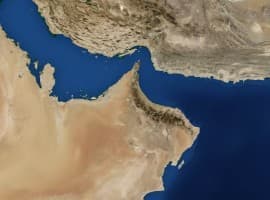
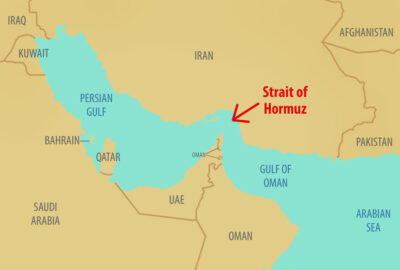
“The two sides remain well apart, leaving tensions elevated. This should see the geopolitical risk premium remain in place,” ANZ analyst Daniel Hynes said, as quoted by Reuters. Any Middle Eastern tensions involving Iran are extra bullish for oil prices because of Iran’s control of the Strait of Hormuz and the potential closure of the chokepoint in case of conflict. Iran has never closed the Hormuz Strait before, and sceptics note that it is unlikely to do so because such a move would harm its own exports, and it will not continue for long given the U.S. military presence in the area.

Meanwhile, ING analysts have pointed out Iran’s neighbor, Iraq, and a disagreement with the U.S. as another bullish factor for oil prices. It seems Iraqi politicians favor Nouri al-Maliki as the next prime minister of the country, but the United States thinks al-Maliki is too close to Iran. President Trump has already threatened Baghdad with consequences if al-Maliki becomes PM.

By Irina Slav for Oilprice.com

More Top Reads From Oilprice.com


  • Related Posts

    Ukrainian Strikes Take a Heavy Toll on Russia’s Oil Refineries

    Ukrainian attacks on Russian oil refineries cost Russia’s oil and gas sector as much as $12.9 billion (1 trillion Russian rubles) last year, according to a local insurance broker.   …

    Tengiz Oilfield Ramps Up Output to 550,000 Bpd after Fire

    The giant Tengiz oilfield in Kazakhstan has returned 60% of its peak production and was pumping at a rate of 550,000 barrels per day as of Sunday, following a forced…

    Have You Seen?

    US Natural Gas Futures Fall More Than 8% on Milder Forecasts

    • February 9, 2026
    US Natural Gas Futures Fall More Than 8% on Milder Forecasts

    Vitol Pushes Back Peak Oil Demand to Mid-2030s

    • February 9, 2026
    Vitol Pushes Back Peak Oil Demand to Mid-2030s

    Tengiz Oilfield Ramps Up Output to 550,000 Bpd after Fire

    • February 9, 2026
    Tengiz Oilfield Ramps Up Output to 550,000 Bpd after Fire

    Ukrainian Strikes Take a Heavy Toll on Russia’s Oil Refineries

    • February 9, 2026
    Ukrainian Strikes Take a Heavy Toll on Russia’s Oil Refineries

    Ranked: The Jobs Most Exposed to Generative AI, According to Microsoft – Visual Capitalist

    • February 9, 2026
    Ranked: The Jobs Most Exposed to Generative AI, According to Microsoft – Visual Capitalist

    US Natural Gas Futures Extend Decline as Forecasts Shift Warmer

    • February 9, 2026
    US Natural Gas Futures Extend Decline as Forecasts Shift Warmer

    TotalEnergies to Provide Solar Power to Google’s Texas Data Centres

    • February 9, 2026
    TotalEnergies to Provide Solar Power to Google’s Texas Data Centres

    Chevron’s Tengiz Oilfield Back to 60% of Usual Output, Two Sources Say

    • February 9, 2026
    Chevron’s Tengiz Oilfield Back to 60% of Usual Output, Two Sources Say

    Shell Needs Big Discovery or Deals as Oil, Gas Reserves Dwindle

    • February 9, 2026
    Shell Needs Big Discovery or Deals as Oil, Gas Reserves Dwindle

    New Zealand Eyes First LNG Terminal to Guard Against Power Shortages

    • February 9, 2026
    New Zealand Eyes First LNG Terminal to Guard Against Power Shortages