Summary
- US extends Strait of Hormuz deadline to April 6
- Investors remain wary of prolonged conflict
- Prices could hit $200 if war drags on, Macquarie analysts say
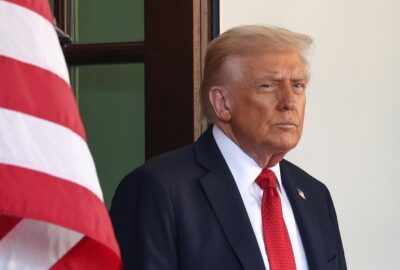
(Reuters) – Oil prices rose on Friday but were set for their first weekly decline since February 9 as U.S. President Donald Trump extended a pause in attacks on Iran’s energy plants, though investors remain cagey about prospects for ceasefire in the month-old war.
Brent crude futures rose by $3, or 2.78%, to $111.01 a barrel by 1118 GMT. U.S. West Texas Intermediate futures were up $2.59, or 2.74%, at $97.07.
Get the Latest US Focused Energy News Delivered to You! It’s FREE:
The Brent benchmark has jumped 53% since February 27, the day before the U.S. and Israel launched strikes against Iran, but was down 1.1% this week. WTI, up 45% since the war began, was down 1.3% over the week.
“Despite talks of de-escalation, oil is trading on war longevity, not just headlines. Any direct damage to oil infrastructure or prolonged conflict could force markets to rapidly reprice higher,” said Priyanka Sachdeva, analyst at Phillip Nova.
While Trump extended his deadline for Iran to reopen the Strait of Hormuz or face the destruction of its energy infrastructure, the U.S. has also sent thousands of troops to the Middle East, with Trump weighing whether to use ground forces to seize Iran’s strategic oil hub of Kharg Island.
An Iranian official told Reuters that a 15-point U.S. proposal, conveyed to Tehran by Pakistan, was “one-sided and unfair”.
“More talk of a deferral of US strikes on the Iranian grid seems to have been faded quickly with the market all too aware of the build up of US miliary power, Iranian intransigence, and the tendency towards a flurry of events over the weekend when markets are closed,” Sparta Commodities analyst Neil Crosby said.
The conflict has taken about 11 million barrels per day out of global oil supply, with the International Energy Agency describing the crisis as worse than the two 1970s oil shocks combined.
“Every day flows through the Strait remain restricted, more than 10 million barrels of oil are missing … tightening the oil market further,” said UBS analyst Giovanni Staunovo.
Analysts at Macquarie Group said that oil prices will fall quickly if the war begins to wind down soon but still remain above pre-conflict levels. However, prices could rise to $200 if the war drags on until the end of June, they added.
Reporting by Robert Harvey in London, Helen Clark in Perth and Sudarshan Varadhan in Singapore Editing by David Goodman
Share This:
More News Articles