When OPEC+ ministers meet this weekend, they confront the unpalatable choice: continue to curb oil-supplies well into 2025, or risk a renewed price slump.
With oil demand slowing in China and supplies swelling across the Americas, delegates say the group led by Saudi Arabia and Russia is once again discussing delaying their plans to increase production — potentially for several months.
But if OPEC+ wants to prevent a glut, it may need to do much more. A surplus looms next year even if the cartel cancels the supply hikes entirely, the International Energy Agency forecasts. Citigroup Inc. and JPMorgan Chase & Co. warn that prices are already set for a slump from $73 a barrel toward $60 — and lower if the group opens the taps.
Another selloff would spell financial pain for the Saudis, who have already been forced to cut spending on lavish economic transformation plans. And that’s before the oil market reckons with the return of President Donald Trump, who promises to bolster US crude production and threatens punitive tariffs for China.
“I think that there’s no room for them to increase and the market will remind them of that when necessary,” Gunvor Group Co-founder and Chief Executive Officer Torbjörn Törnqvist said at the Energy Intelligence Forum in London on Tuesday.
Earlier that day, Saudi Arabian Energy Minister Prince Abdulaziz bin Salman met with Russian Deputy Prime Minister Alexander Novak and Iraqi Prime Minister Mohammed Shia Al-Sudani in Baghdad. They discussed the importance of keeping markets balanced and fulfilling commitments to cut production, according to statements from the countries. The whole 23-nation coalition will convene online on Sunday.
When the Organization of Petroleum Exporting Countries and its partners last gathered almost six months ago, the picture was very different. Confident that the post-pandemic surge in world oil consumption would continue, the group unveiled a road map to restore production halted since 2022, outlining the return of 2.2 million barrels a day in monthly installments from October.
But things have shifted since then.
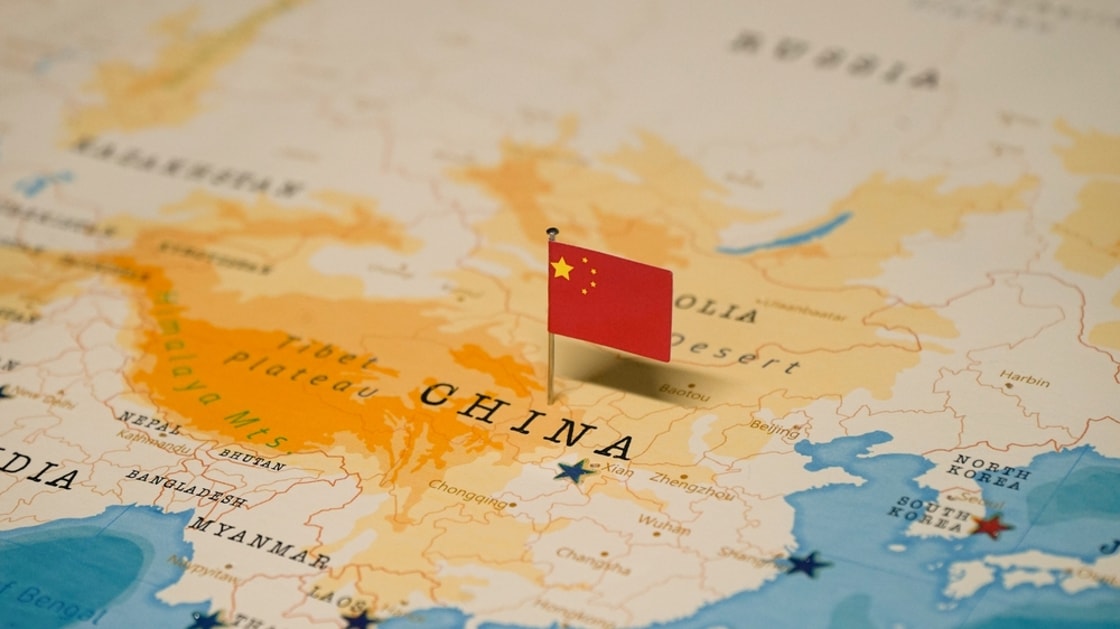
Brent crude futures have slumped about 17% since early July — shrugging off conflict in the Middle East — while demand in China contracted for six months in a row as it grapples with an array of economic challenges. Chinese consumption — which has powered oil markets for the past two decades — may have already peaked, according to the IEA.
Next year, global oil demand will grow by roughly 1 million barrels a day next year — less than half the rate seen in 2023 — as the shift from fossil fuels to electric vehicles gathers pace, the Paris-based agency predicts.
This will be eclipsed by a tide of new supply from the US, Brazil, Canada and Guyana, leaving an excess of more than 1 million barrels a day, it says.
“The oil market appears to be heading for a sizable surplus in 2025,” said Martijn Rats, an analyst at Morgan Stanley.
The fraught outlook for OPEC+ comes even before oil markets absorb the impact of a second term for Trump, who has promised the US oil industry will “drill, baby, drill,” and warned of brutal trade tariffs on a number of countries, including China.
Iran and China
Still, forecasts can often go astray, and if oil markets defy bearish predictions it will make OPEC+’s task easier.
Global oil demand continues to surprise to the upside and looks set for strong growth in the next five to 10 years, BP Chief Executive Officer Murray Auchincloss said at a conference in London on Monday.
Oil prices are currently “trying to price in a future supply glut that has yet to arrive,” said Jeff Currie, chief strategy officer for energy pathways at Carlyle Group. The pullback in prices is already eroding the outlook for supply growth, reducing the probability the glut will materialize.
“Nearly all bear markets are demand-driven, and with China front-footed with stimulus, the odds of an unexpected demand shock are limited,” said Currie.
There’s also the possibility that Trump renews the campaign of “maximum pressure” used to choke crude exports from Iran during his first term, in a bid to limit the country’s nuclear program.
“If Present Trump really goes whole hog, and they take down 1 million to 1.2 million barrels of Iranian oil exports, that would remove oversupply next year,” said Bob McNally, founder of Rapidan Energy Group and a former White House official. “That makes it much easier for OPEC+ to return those barrels.”
But absent a crackdown on Tehran, OPEC+ nations may need to persevere with their cuts. That would be a challenge for several members — notably Iraq, Russia, Kazakhstan and the United Arab Emirates, which have struggled to implement the supply curbs they were supposed to make at the start of this year.
The United Arab Emirates is being allowed to gradually phase in a further 300,000 barrels a day of extra output in recognition of recent increases to its production capacity. There’s no such allowance for Kazakhstan, where the start of a major expansion to the Tengiz oil field may further test its commitment to the OPEC+ deal next year.
The longer the surplus persists, the greater the possibility that OPEC+ members will eventually tire of quotas and revert to pursuing individual market share, as they did during the policy “resets” of 2014 and 2020, said Natasha Kaneva, head of global commodities research at JPMorgan.
“Increasing oil production might become a key consideration for some OPEC members in 2026,” when “there is an elevated risk of another market reset,” she said.