Pakistan has issued a new tender for LNG, to the amount of 1 million tons, The Nation reported today, citing the seasonal increase in electricity demand as summer heat sets in.
This is the fourth LNG tender for the spot market over the last two months as the country grapples with the fallout from the war in the Middle East. Not all of these tenders have resulted in delivery contracts as in some cases even the lowest bids were deemed too expensive for Pakistan LNG Limited, the state-owned operator.
Pakistan has relied on Qatar’s term LNG supply for years, but the war in the Middle East has led to the shutdown of Qatari LNG production and exports. This put Pakistan in quite a pickle because Qatari LNG was affordable for the cash-strapped state. With that gone, Pakistan’s government was forced to look to the spot market for replacement supply.
Spot LNG prices in Asia have surged since the war in Iran trapped all Middle Eastern LNG supply from Qatar and the UAE behind the Strait of Hormuz. Still, Pakistan moved to tap the spot market for the first time in nearly three years as the lack of fixed-term Qatari supply has triggered a power crisis and widespread outages.
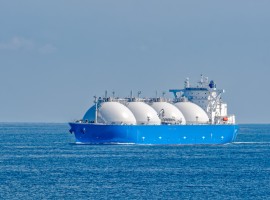
In mid-May, the government managed to negotiate with Iran the safe passage of two Qatari LNG carriers that delivered the much-needed fuel under an existing long-term contract. One of these became the first LNG carrier to pass through the Strait of Hormuz since Iran closed it on March 1, following the U.S. and Israeli missile strikes that began the previous day.
While Pakistan has been able to secure vital energy imports, the price surge in both oil and gas has not spared its economy from pain. The country’s inflation soared by 11.7% in May, the latest figures from the state statistics agency showed earlier this month. Core inflation also rose significantly, by 9% on the year and 8% on April.
By Irina Slav for Oilprice.com
More Top Reads From Oilprice.com
- Oil Prices Dip as Israel-Lebanon Ceasefire Revives Iran Deal Hopes
- Trump Plans $700 Million Lifeline for U.S. Coal Power Plants
- Kuwait Says Oil Output Won’t Recover for 10-12 Weeks After Hormuz Reopens