U.S.-based energy storage company Peak Energy Technologies has signed an agreement with RWE Americas to pilot a next-generation sodium-ion battery system for grid-scale energy storage in the Midwestern United States. The project will be deployed at an RWE laboratory facility in eastern Wisconsin and marks the first planned deployment of a low-cost sodium-ion grid storage battery in the Midcontinent Independent System Operator (MISO) region.
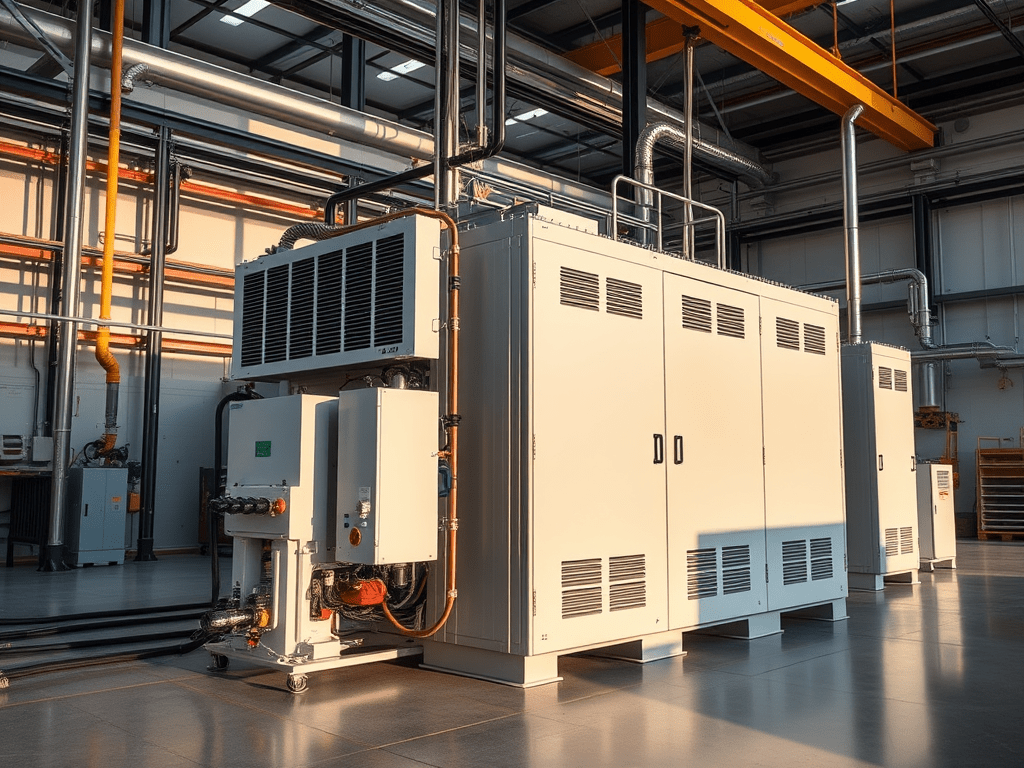
Announced on March 12, the pilot will test Peak Energy’s proprietary passively cooled sodium-ion battery technology designed for large-scale electricity storage. Unlike conventional lithium-ion systems, the new technology can operate across a wider temperature range without requiring active cooling systems, which typically consume additional energy and add to maintenance costs.
According to Peak Energy, the storage system relies on highly stable sodium-ion battery cells that improve operational efficiency and reduce performance degradation over time. The design also reduces “overbuild”—the extra storage capacity usually installed to compensate for battery degradation—while eliminating routine maintenance associated with cooling infrastructure.
Peak Energy estimates that these improvements could reduce the lifetime cost of stored energy by about $70 per kWh, roughly half the cost of a typical battery system today. The company also claims its GS1.1 storage platform could lower total system costs by more than 25% compared with conventional lithium-ion battery storage.
The pilot project comes as the MISO region, which includes Wisconsin, faces rising electricity demand and limited energy storage capacity. Grid-scale batteries can store surplus electricity during periods of low demand and release it during peak usage, improving grid reliability while reducing reliance on expensive spot market power and delaying the need for new power generation capacity.
If successful, the pilot could demonstrate the commercial viability of sodium-ion technology for large-scale energy storage applications in the U.S. power grid.
Subscribe to get the latest posts sent to your email.