PetroChina has agreed to buy three natural gas storage facilities from its state-owned parent CNPC for ¥40 billion (US$5.59 billion), adding nearly 11 billion cubic meters of working capacity to its portfolio. It’s a deal that looks less like housekeeping between affiliates and more like a signal of where China’s biggest oil and gas firm sees the energy market heading.
The company’s timing is no accident. PetroChina reported first-half 2025 profit of US$11.75 billion, down 5.4% year-on-year as weaker crude prices and slumping gasoline and diesel demand ate into earnings. The average realized crude price fell 14.5% to $66.21 per barrel, while refining revenues dropped 12.8%. Gas, however, was the bright spot: the segment booked ¥18.6 billion in earnings, stronger than last year and a rare area of growth.
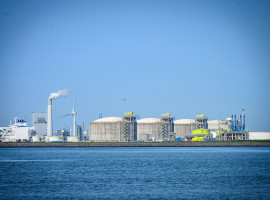
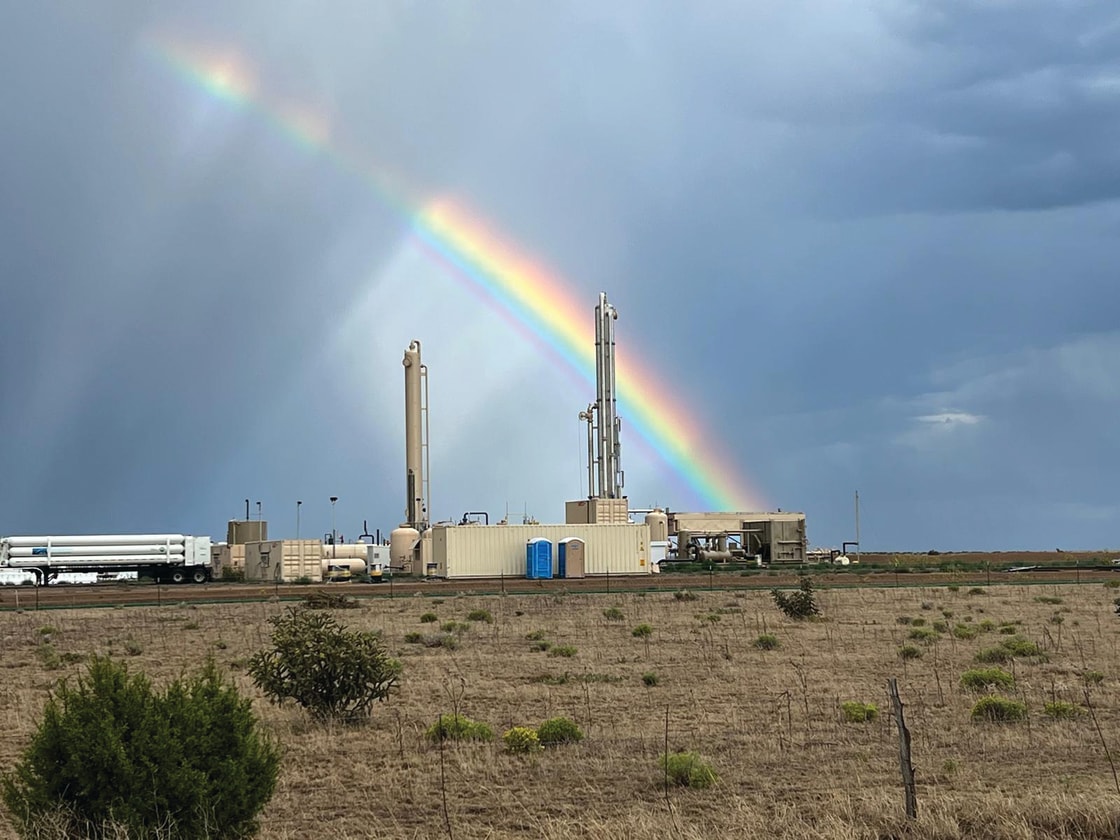
By snapping up CNPC’s Xinjiang, Xiangguosi, and Liaohe gas storage sites, PetroChina is bulking up capacity and tightening control of the full gas chain at a moment when Beijing is leaning hard into the fuel as both a security hedge and a lower-emission bridge. Gas use has been stable even as EVs chew away at road fuel sales, and CNPC expects demand to accelerate through the second half of the decade.
The broader context matters. China’s oil consumption is flattening: gasoline and diesel are capped by EV penetration and LNG-fueled heavy trucks. Petrochemicals still grow, which is why PetroChina just greenlit a $9.6 billion Dalian refinery revamp geared toward plastics and chemicals rather than bulk fuels. Gas, though, is the strategic hedge—securing winter heating, balancing renewables, and supplying power-hungry sectors like AI data centers.
Globally, the deal has ripple effects. More Chinese domestic storage capacity reduces short-term import volatility but doesn’t eliminate it. Beijing will still buy Russian pipeline gas—sanctions or not—because it’s cheap and available. LNG imports from the U.S. and Qatar will remain in the mix, though Washington’s tariffs and Trump’s trade brinkmanship could make those flows more political.
For PetroChina, the move is about shoring up its balance in a market where crude revenues are slipping and refining margins are thin. Storage gives it flexibility—more room to smooth seasonal swings, more leverage in negotiations, and a bigger role in meeting Beijing’s call for energy security. Gas may not deliver the fat margins of the oil boom years, but right now it’s the part of the business with the clearest growth story.
By Julianne Geiger for Oilprice.com
More Top Reads From Oilprice.com
- Asia Faces Zero Growth in Demand For Petroleum Products
- The Real Reasons Your Power Bill Is Exploding
- US National Security Probe Targets Wind Industry