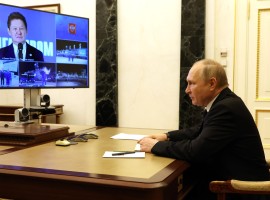
Russian President Vladimir Putin threatened Wednesday to seize European ships in retaliation for EU action against Russia’s shadow oil fleet, opening the possibility of direct Russian interference with commercial shipping as Europe steps up efforts to disrupt Moscow’s crude exports, RFE/RL reported.
President Vladimir Putin said Wednesday that Moscow would “respond in kind” if European countries begin confiscating Russian ships or selling cargo taken from detained vessels, and warned that Russian retaliation would not necessarily be confined to the same waters where European interceptions occur. Reuters independently confirmed the remarks.
“This is nothing less than piracy and robbery,” Putin said while overseeing Russian Pacific Fleet exercises.
The warning follows the EU’s latest sanctions package targeting Russia’s energy trade, including additional restrictions on vessels used to move Russian oil outside Western sanctions.
The EU’s 21st sanctions package, adopted July 23, added another 41 vessels to its blacklist, bringing the number of sanctioned shadow-fleet vessels to 673. Brussels also expanded restrictions to companies providing bunkering and other services to the fleet and targeted entities working on behalf of Russian oil producers.
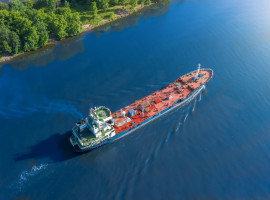
European enforcement is attempting to gain some momentum. Nine suspected shadow-fleet tankers had been seized across Europe by late June, including four by France, while British forces intercepted the sanctioned tanker Smyrtos in the English Channel in June, according to Reuters.
Russia is now openly preparing its own maritime response. Pacific Fleet commander Viktor Liina told Putin that Russian forces have the capability to inspect and detain vessels belonging to what Moscow calls “unfriendly states,” including ships operating under third-country flags, according to Reuters.
Putin’s threat also comes one day after a sweeping U.S. sanctions bill targeting Russian energy revenues and the shadow fleet had moved into the House following an overwhelming Senate vote. The legislation would target vessels, owners, operators, insurers and ports involved in transporting Russian oil, while giving President Donald Trump authority to impose tariffs on major buyers of Russian energy.
By Charles Kennedy for Oilprice.com
More Top Reads From Oilprice.com
- Russia Rebuilds Nuclear Workforce at Iran’s Bushehr Plant
- Egypt and Libya Near $1 Billion Oil Pipeline Deal
- The Hormuz Shock Is Far From Over