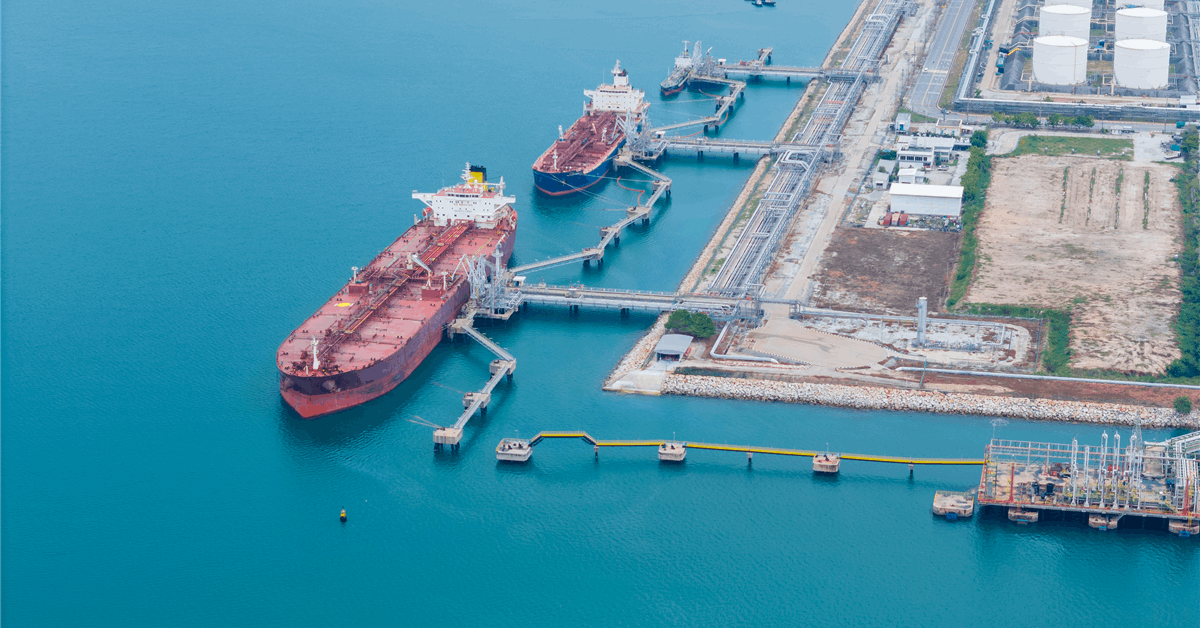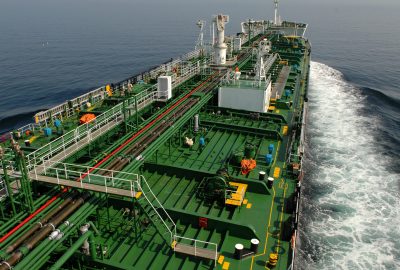
Two Qatari vessels carrying liquefied natural gas (LNG) have been forced to abandon an attempt to exit the Strait of Hormuz in what would have been the first export of Qatari LNG in more than a month.
The Al Daayen and the Rasheeda aborted their attempt to transit the Strait of Hormuz on Monday, with ship-tracking data compiled by Bloomberg revealing they U-turned away from the strait after earlier heading eastward.
The Al Daayen is still signaling that China, Qatar’s largest LNG buyer, is its next destination, though destinations are not final since these tankers can change their indicated port of call at any time.
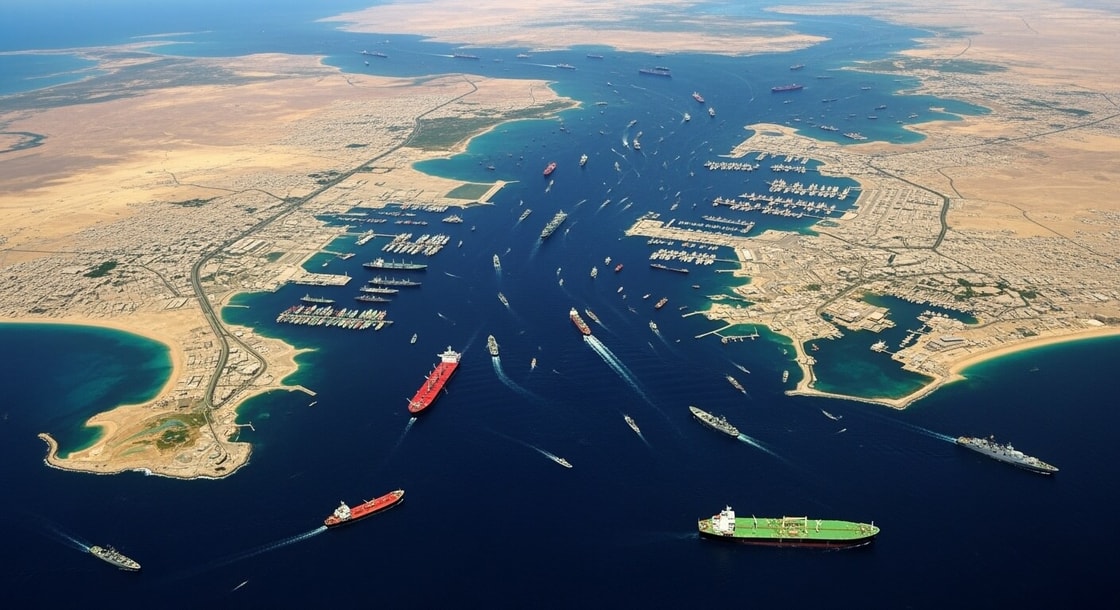
The tankers loaded their cargoes in late February just before hostilities began, before moving toward the eastern opening of the strait near Oman on Monday morning. However, they were forced to perform a U-turn at approximately 06:50 UTC. Iran has effectively choked off the waterway, allowing only approved or “non-hostile” vessels to pass.
Average passage through the waterway has plummeted to 5–7 ships per day, a 95% decrease from the pre-war average of roughly 130–160 vessels. Nearly three quarters of ships that have crossed since the blockade began are owned by Iran or its shadow fleet. Most non-Iranian vessels allowed through are linked to China, accounting for about 10% of recent traffic. Select tankers from India, Pakistan, and Greece have also been granted passage following specific negotiations. On Thursday, a container ship owned by the French group CMA CGM became the first Western-linked vessel to pass through the Strait since the Middle East conflict began in late February while a Japanese-owned LNG carrier successfully transited the strait on Friday after negotiations with the Tehran authorities.
Iranian missile and drone strikes in March significantly damaged Qatar’s Ras Laffan export facility, knocking out roughly 17% of its capacity. QatarEnergy has declared force majeure on several long-term LNG supply contracts, with some repairs on damaged infrastructure estimated to take up to five years. The closure has halted about 20% of the world’s daily LNG flows, driving European and Asian gas prices to multi-year highs.
By Alex Kimani for Oilprice.com
More Top Reads From Oilprice.com
- China Resells Record LNG Volumes as Global Gas Crunch Bites
- U.S. Oil Premiums Hit Record High as World Scrambles for Crude
- Tesla Q1 Deliveries Expected to Fall Far Short of Peak as EV Demand Cools