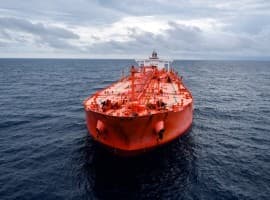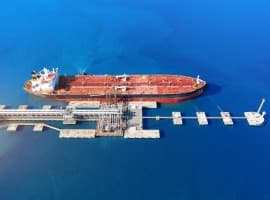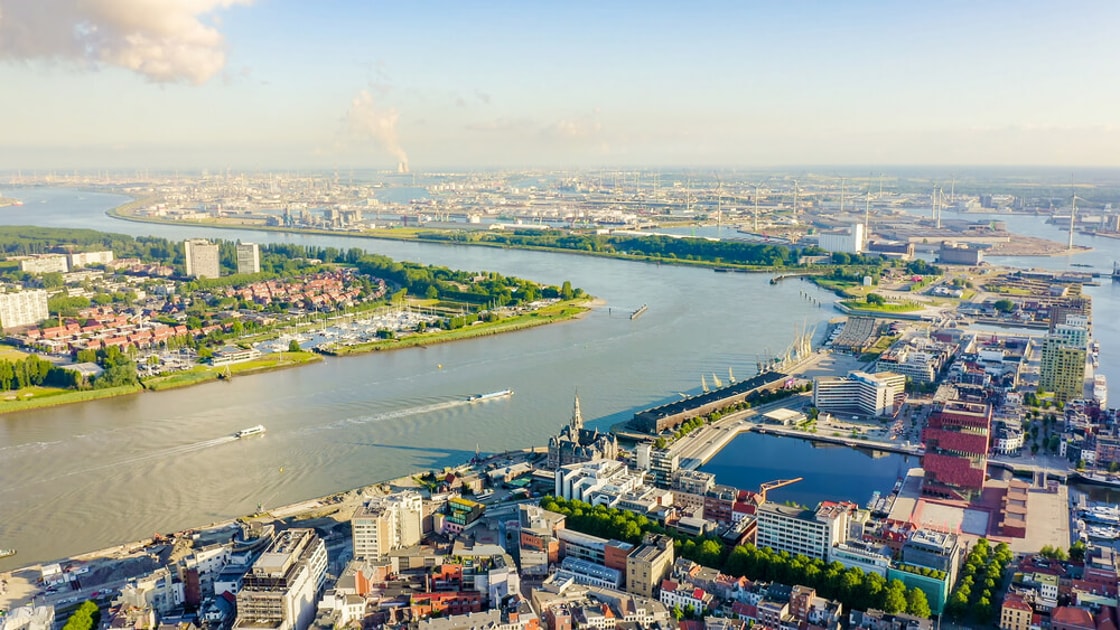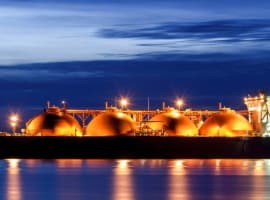
QatarEnergy’s shutdown of its LNG production complex has resulted in a streak of five days with zero shipments of the superchilled fuel, according to Kpler data cited by Bloomberg.
This is the longest period with no Qatari LNG leaving the country since 2008, the publication noted, adding no LNG carrier has passed the Strait of Hormuz since February 28. That includes vessels normally exporting liquefied gas from the UAE, meaning 20% of the world’s LNG exports are gone.
QatarEnergy — the state-owned energy giant responsible for all of the country’s liquefied natural gas exports — announced a complete halt to LNG production after Iranian drone strikes hit facilities at Ras Laffan Industrial City and Mesaieed Industrial City. This happened on March 2. A force majeure declaration followed on QatarEnergy exports.
The move prompted a surge in gas prices in the key markets of Asia and Europe, with buyers turning to U.S. LNG. With Asia fetching higher prices than Europe, U.S. cargoes with liquefied natural gas initially en route to Europe diverted to Asia. According to Bloomberg, at least eight LNG tankers have been diverted to date. This, in turn, triggered a further spike in European gas prices.
Related: Little-Known US Company Lands Important Pentagon Contract in Rare Earth Race
Restarting production at Ras Laffan will take several weeks, meaning even if the hostilities in the Middle East end today, it will take a while for Qatari LNG supply to return to markets. However, some have struck an optimistic note: Rystad Energy said last week it did not expect any long-term price impacts on LNG from the Qatari shutdown, noting there was every reason to believe the supply disruption would be temporary.
Even so, however, forecasts for an LNG glut emerging this year have been hastily revised. Morgan Stanley wrote in a recent note that if the Qatari LNG shutdown lasts for a month, it would cause a deficit on the global LNG market. U.S. producers cannot respond fast enough because their liquefaction trains are already running at capacity and new capacity due to start up later this year is nowhere near enough to fill the Qatari gap.
By Irina Slav for Oilprice.com
More Top Reads From Oilprice.com
- Why $100 Oil Isn’t Going to Spark a New Shale Boom
- The Chokepoint Economy: What Happens When Everything Breaks at Once
- Gulf Producers Slash Oil Output by 5 Million Bpd