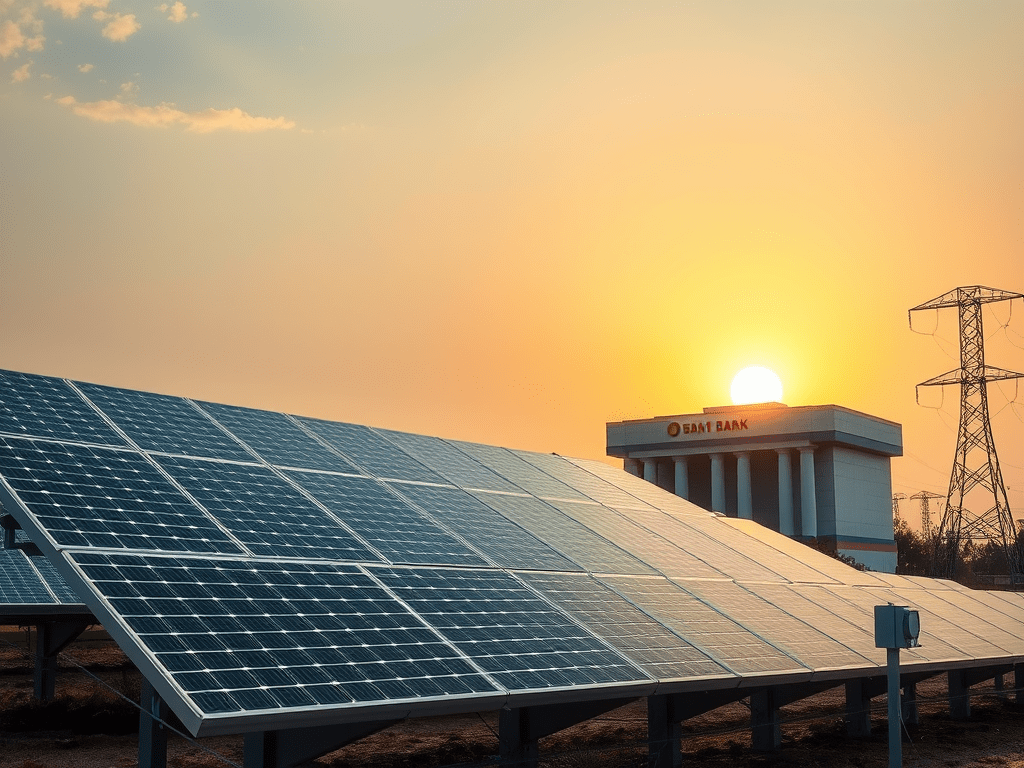
Reliance Industries Ltd (RIL) has commissioned its first gigawatt-scale heterojunction (HJT) solar module production line, marking a significant milestone in its ambitious plan to establish a 10 GW annual solar manufacturing capacity. The move underscores Reliance’s growing leadership in India’s clean energy transition.
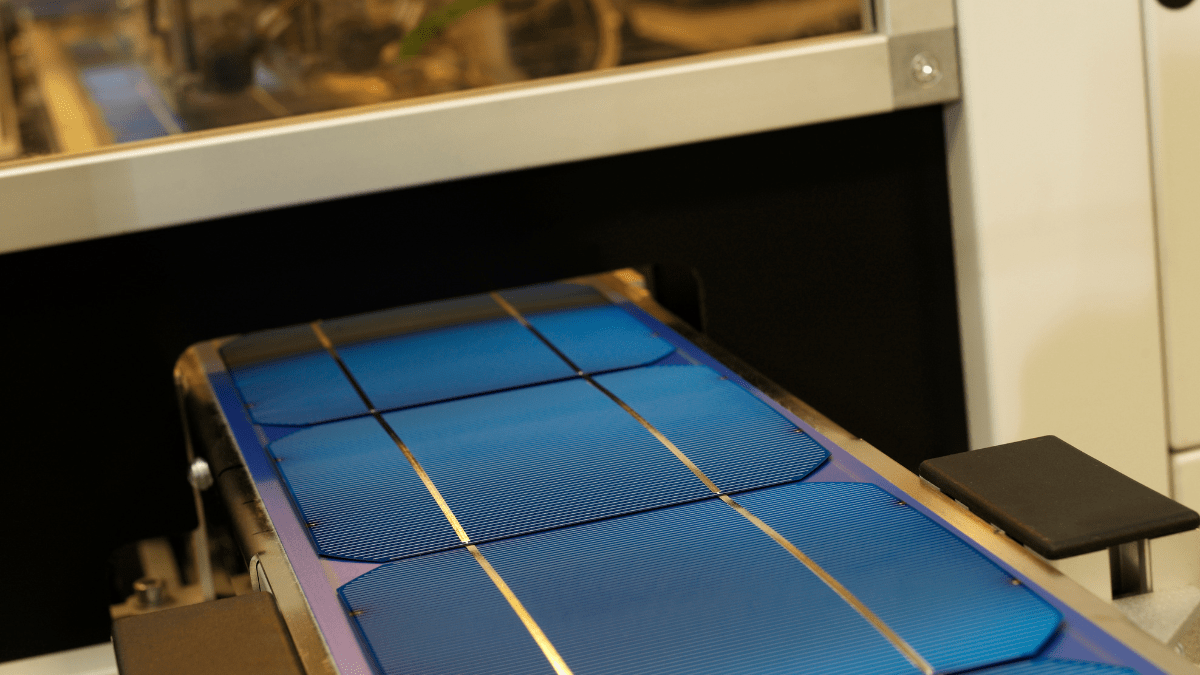
Announced during RIL’s Q4 FY25 earnings call, Chief Financial Officer V. Srikanth confirmed that the company has begun production of Bureau of Indian Standards (BIS)-certified modules featuring the industry’s highest output — reaching up to 720 watts per panel.
The highly automated factory employs advanced processes like electroluminescence inspection, automated guided vehicles (AGVs), and precision back support bar placement.
Srikanth emphasized that the entire solar manufacturing chain — from polysilicon to modules, including long lead items and procurement — has been engineered and is progressing at full speed. “We have defined that by end of 2025, early 2026, all these factories will get commissioned and start producing. We are well on our way to achieve that,” he stated.
The new facility is part of Reliance’s broader Dhirubhai Ambani Green Energy Giga Complex in Jamnagar, Gujarat. Besides solar, the conglomerate is advancing a 30 GW lithium iron phosphate (LFP) battery manufacturing initiative to bolster India’s energy storage capabilities.
RIL is building a fully integrated solar value chain, covering polysilicon, ingots, wafers, cells, modules, and even specialized glass. Once complete, this project will significantly boost India’s domestic solar module production and support Reliance’s plan to develop extensive solar farms in Gujarat’s Kutch region. The company is also laying transmission lines and setting up land for a fully integrated green hydrogen ecosystem nearby.
RIL’s leadership reaffirmed that the vertically integrated and highly automated facilities will enable competitive manufacturing costs, helping India reduce reliance on imported solar components. Additionally, the battery manufacturing facilities are expected to start outputting battery packs by 2026.
This major development positions Reliance as a key player in India’s clean energy sector, aligning with national goals to ramp up renewable energy production and reduce carbon emissions.