By
41 min ago 3 min read
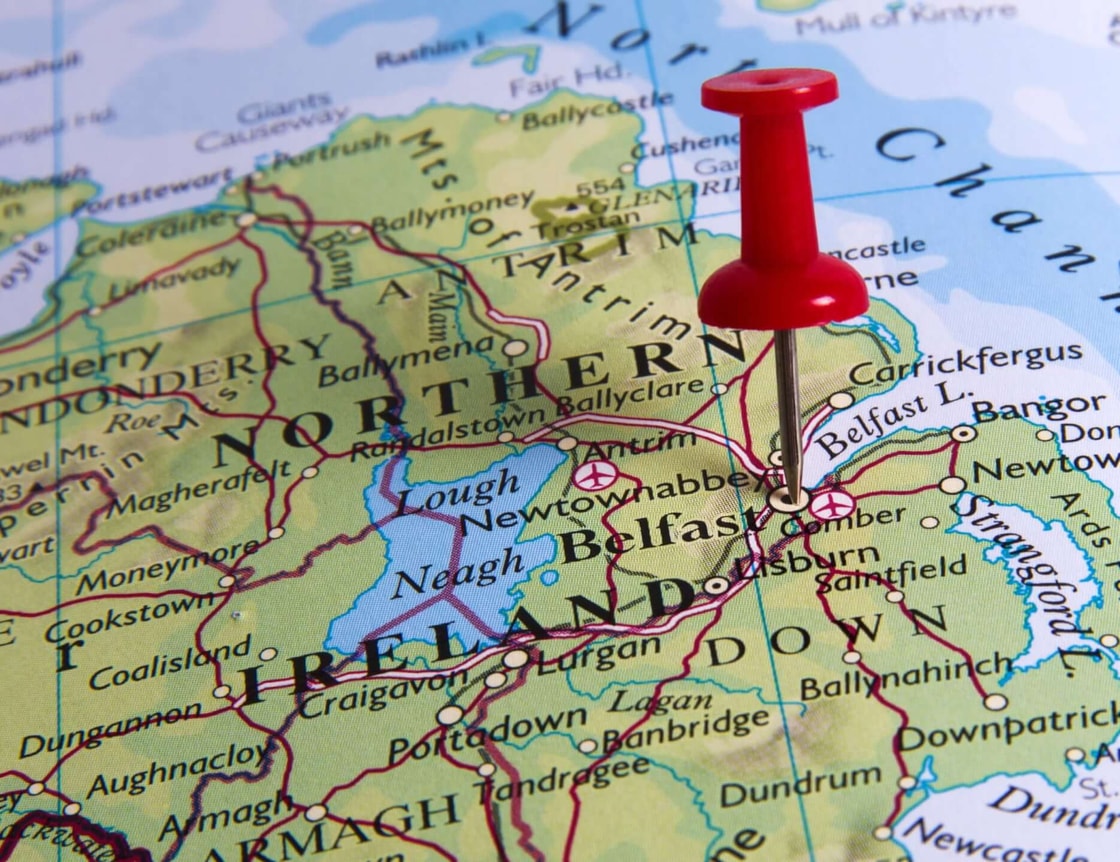
French carbon capture company Revcoo is partnering with recycled zinc producer Reazn to deploy its CarbonCloud technology at a zinc alloy production plant in Kruisem, Belgium.
The project will have a planned capture capacity of between 5,000 and 8,000 tonnes of CO2 per year. It marks Revcoo’s expansion into the metals sector following applications in the lime and cement industries.
The companies will initially carry out a joint technical and economic feasibility study, followed by engineering work if the first phase is successful. Deployment of the installation is targeted for the end of 2028.
Revcoo’s CarbonCloud system uses a cryogenic process to separate CO2 from industrial flue gases. The technology freezes the CO2 before conditioning it into liquid or gaseous form, without the use of chemical solvents or water.
The company says the process is fully electric and can produce CO2 with a purity of 99.99%. The captured gas can then be containerised for transport, utilisation or permanent storage, meaning the capture unit is not dependent on the future availability of dedicated CO2 infrastructure.
That high-purity output could also be relevant to the utilisation side of CCUS specifically. Revcoo has previously told gasworld that CarbonCloud is designed to produce a ready-to-use CO2 stream, rather than requiring extensive downstream conditioning.
In an interview with gasworld , Revcoo President and co-founder Hugo Lucas said the process freezes CO2 to separate it from other gases before producing a liquid or solid CO2 product.
The company said its system can operate with CO2 concentrations of around 10 to 20% in flue gas and up to 70%, depending on the application.
More recently, Revcoo reported achieving 99.99% CO2 purity from real industrial lime kiln flue gas at its pilot at the Bocahut site.
The company said producing specification-ready CO2 directly at the capture site could reduce downstream processing requirements and facilitate transport, utilisation and storage.
However, the companies have not disclosed a specific utilisation route for the CO2 captured at Reazn’s Kruisem facility. The current agreement leaves open the possibility of utilisation or storage once the CO2 has been captured and conditioned.
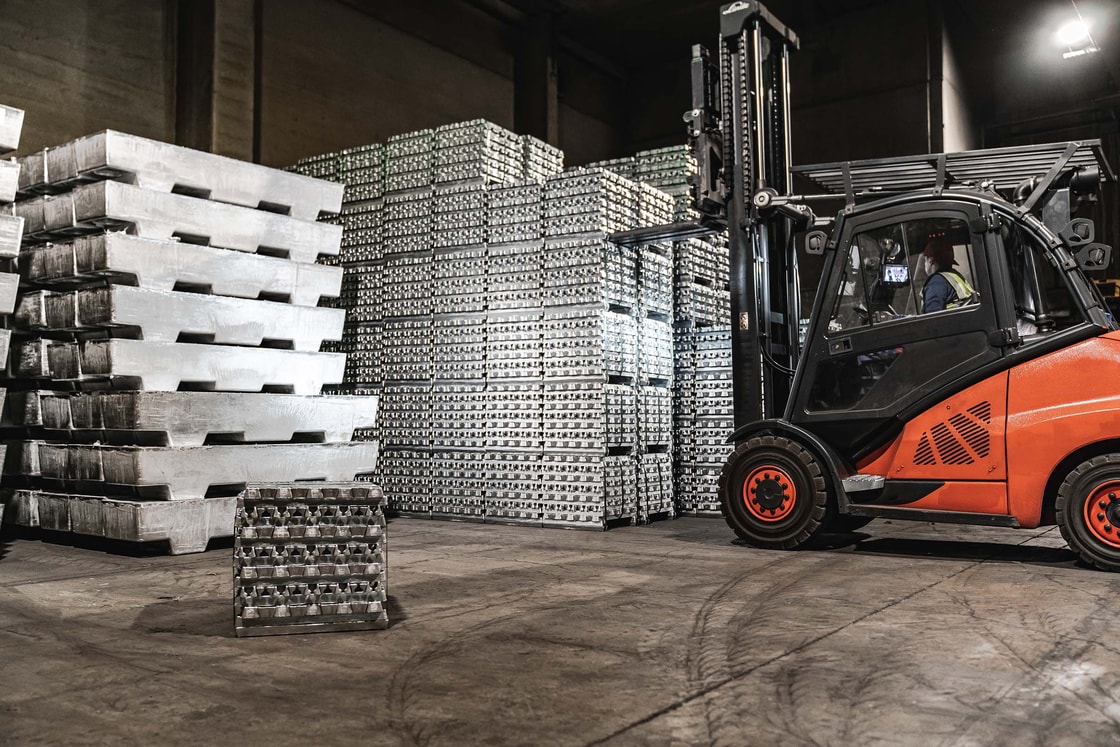
For Reazn, the project forms part of efforts to reduce the footprint of its recycled zinc production. The company describes itself as a circular-economy operator, using an upcycling process to produce zinc alloys while reducing waste and energy consumption.
Jean Gouverneyre, Co-CEO of Reazn, said CarbonCloud’s compact footprint and solvent-free, water-free and electric operation were among the reasons for selecting the technology.
“CarbonCloud is a promising solution because it integrates directly into our manufacturing process without disrupting operations and with a very low industrial risk profile,” he said.
For Revcoo, the agreement represents a move beyond its existing focus on lime and cement into an energy-intensive metals application.
Hugo Lucas, Founder and President of Revcoo, said the project demonstrated the company’s ability to address industrial emissions that are difficult to eliminate through process changes alone.
“Beyond this future installation, an entire sector is preparing for the transition towards a net-zero industry across Europe,” said Lucas.