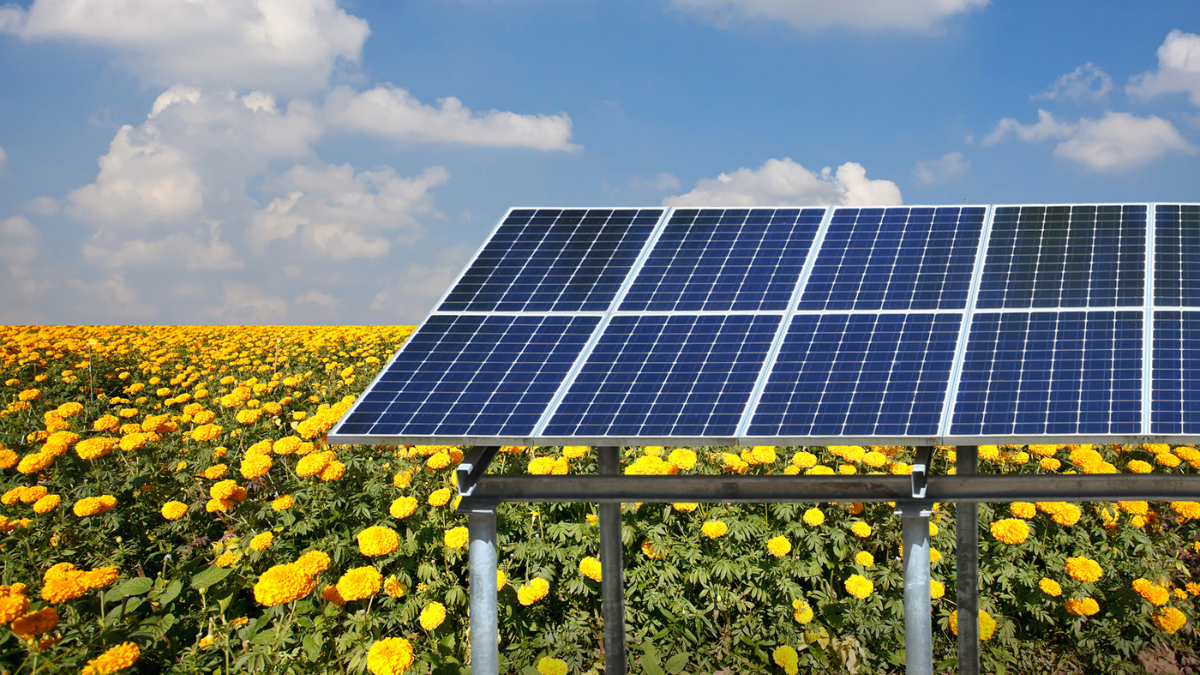
The Rockefeller Foundation and the World Bank have announced a major investment to bring solar technology into agriculture across several African countries. The multi-million dollar initiative will focus on Kenya, Nigeria, Ethiopia, Sierra Leone, Uganda, and the Democratic Republic of Congo. The aim is to improve farm productivity and reduce losses by using clean and reliable solar power in areas where electricity is limited or not available.
Under this programme, funds will be provided to non-profit organisations to supply farmers with solar-powered equipment. This includes water pumps for irrigation, grain mills for crop processing, and refrigerators and cold storage units for food preservation. These technologies are especially important for rural and off-grid areas, where farmers often depend on costly and unreliable energy sources. The project is being implemented by Clasp, a Washington-based non-profit organization that works on energy efficiency and access. Clasp will manage the distribution and installation of the solar systems in the selected countries.
During a visit to a solar-powered agricultural facility in Nairobi, Rockefeller Foundation President Rajiv Shah said the project has strong potential to grow further. He explained that while the current funding is significant, the structure of the programme allows it to expand country by country as more financial support becomes available. The initiative is linked to Mission 300, a larger programme led by the World Bank and the African Development Bank, which aims to provide electricity access to 300 million people in Africa by 2030.
Agriculture plays a crucial role in Africa, employing more than half of the continent’s workforce. However, many farmers face serious challenges, including high post-harvest losses. In some cases, up to 40% of crops are wasted due to poor storage, lack of refrigeration, and limited processing facilities. Solar-powered cold rooms and refrigeration units can help farmers store their produce for longer periods. This allows them to sell their goods at better prices instead of rushing to the market to avoid spoilage.
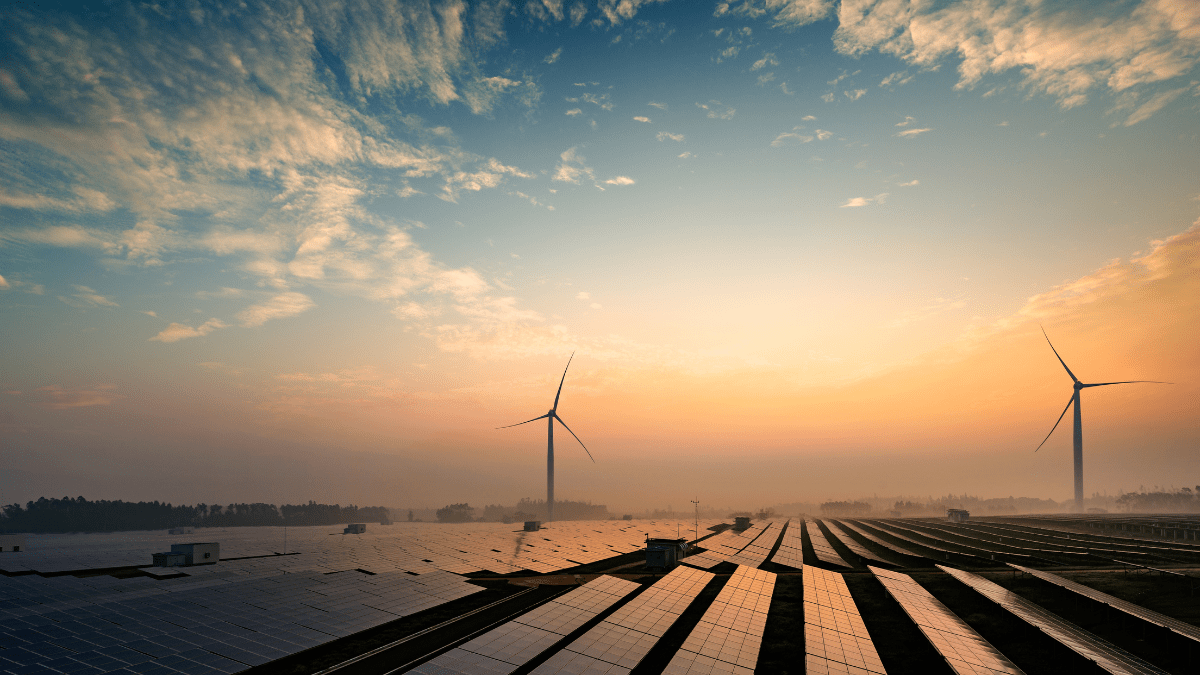
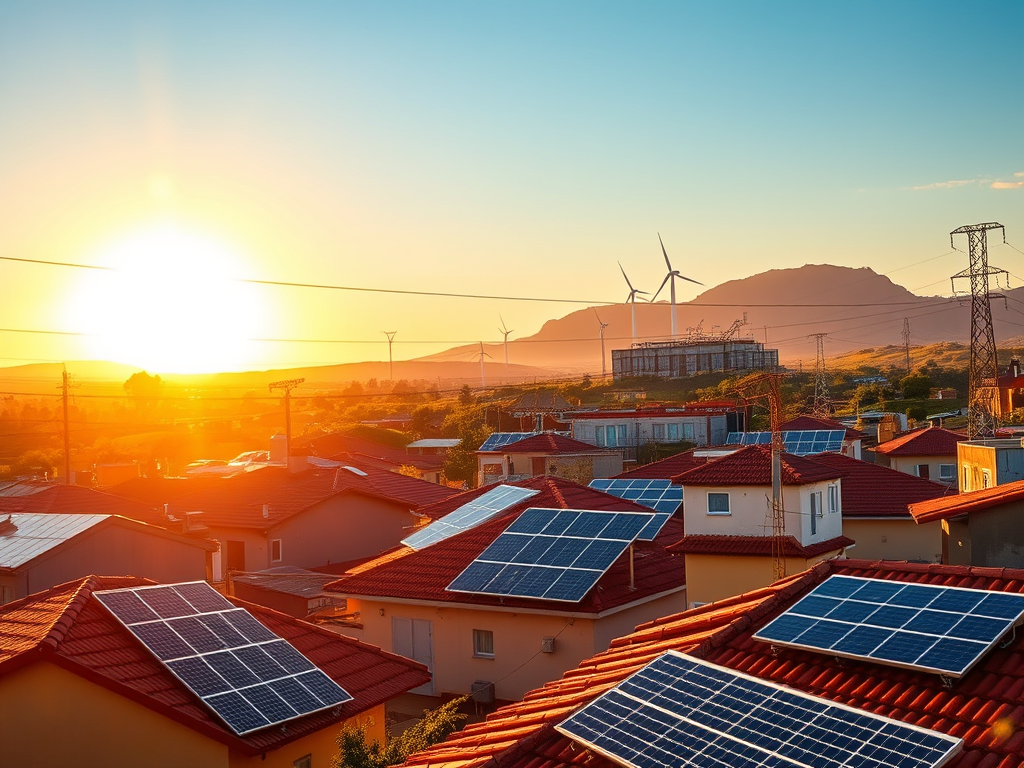
The use of solar energy also brings environmental and financial benefits. It reduces dependence on diesel generators, which are expensive to run and harmful to the environment. By switching to solar power, farmers can lower their daily energy costs and reduce carbon emissions. Over time, this approach is expected to support more stable food prices, increase rural incomes, and strengthen food security across the region. The investment reflects a growing effort to modernize African agriculture while addressing climate change and energy access challenges at the same time.
Subscribe to get the latest posts sent to your email.