Privately held MASS Group Holding plans to invest more than €1 billion (~$1.18 billion) in large-scale battery energy storage projects in Romania after reaching an agreement with the Romanian government, Reuters reported on Wednesday. The projects are intended to support Romania’s power grid as renewable generation expands and older conventional capacity continues to decline.
According to Reuters, the investment would involve multiple grid-scale battery installations with combined capacity measured in the gigawatt-hour range. Romanian officials said the agreement is aimed at strengthening grid stability and managing rising volatility caused by growing wind and solar output.
The government did not disclose specific project locations, construction timelines, or financing structures.
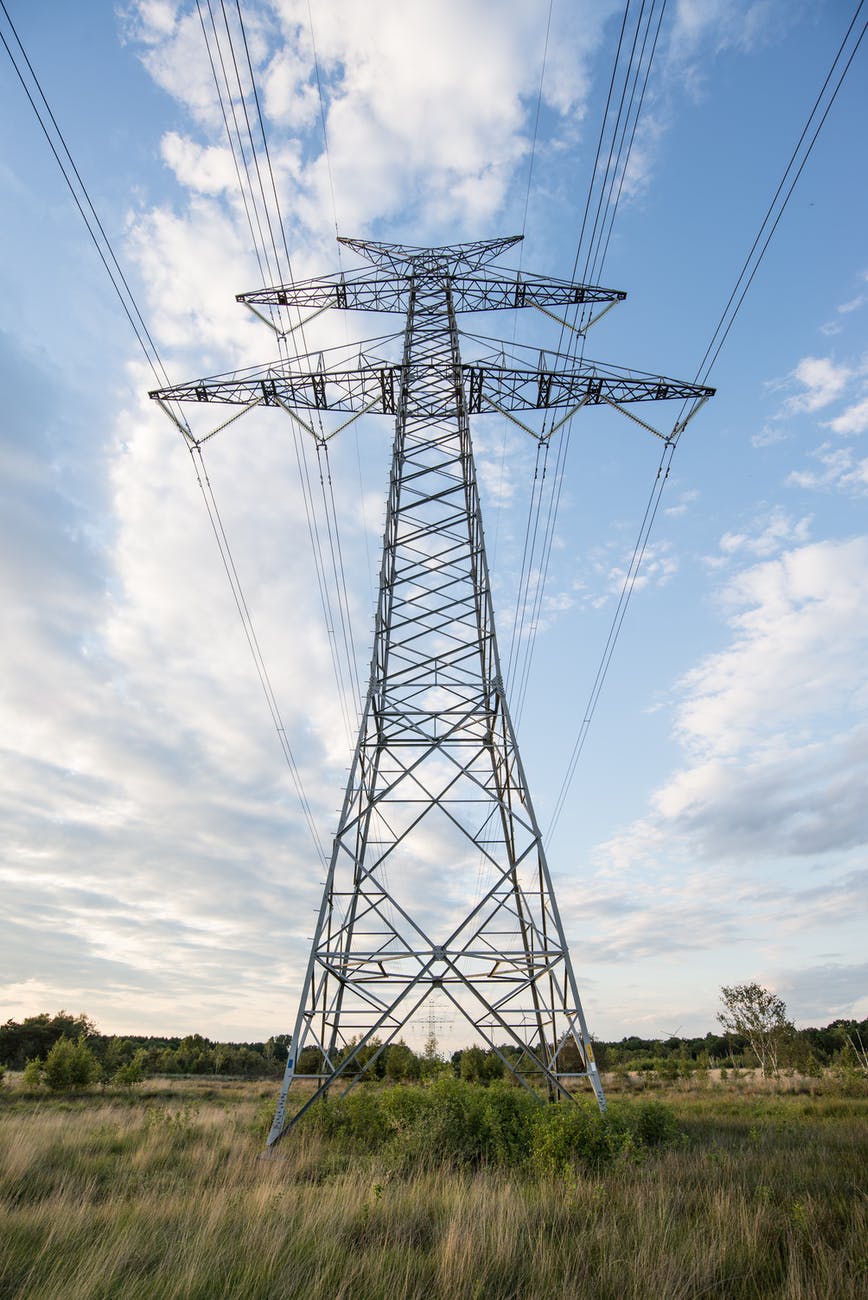
Romania’s power system is under growing strain because renewable capacity has expanded faster than the infrastructure needed to manage it. Wind and solar output now make up a larger share of generation, but utility-scale battery storage remains limited, leaving the grid exposed to sharp swings in supply. When wind and solar production is high, the system can struggle to absorb the excess power. When output drops during calm weather, evenings, or winter demand peaks, Romania often has to lean on electricity imports or dispatch gas- and coal-fired plants to keep the grid stable.
ENTSO-E flow data shows Romania frequently shifting between power exports and imports depending on weather conditions and demand. During tight periods, especially in winter, imports from neighboring countries rise as domestic generation falls short.
At the same time, older coal units are being phased down and hydro output varies with rainfall, narrowing the margin for error. That combination has increased the need for fast-response balancing tools.
The Romanian government is now hedging its bets that large battery storage can fill the gap. Grid-scale batteries can take in power when renewable output exceeds demand and release it within minutes when supply tightens.
The Romanian deal mirrors what’s happening across Eastern Europe, where governments are beginning to treat battery storage as core infrastructure rather than an experimental add-on. Many regional power systems were built around coal-fired generation and centralized dispatch and are struggling to handle rapid swings in renewable output. Storage is increasingly viewed as a necessary buffer rather than a supplemental technology.
Notably, in 2024, Poland’s state-owned utility PGE announced plans to invest billions of zloty in large battery storage projects tied directly to grid stability and renewable integration, according to Reuters, with Polish officials citing the move as essential to managing wind-driven volatility and reducing reliance on coal during peak demand periods.
By Charles Kennedy for Oilprice.com
More Top Reads From Oilprice.com
- Oil Tanker Rates Soar Amid Shipping Shortages and Middle East Tensions
- Kuwait Seeks Foreign Majors’ Help to Develop Offshore Fields
- BP Shareholders Demand Proof That Fossil Fuel Pivot Will Pay