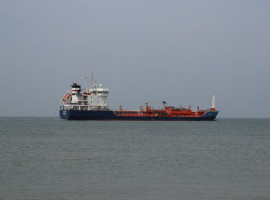
Russia is preparing to sharply reduce crude oil exports this month as mounting refinery disruptions, fuel shortages, and Ukraine’s bombing campaign force Moscow to divert more barrels into the domestic market.
Exports from Russia’s western ports of Primorsk, Ust-Luga and Novorossiysk are expected to fall to roughly 1.7 million barrels per day in June from 2.5 million bpd in May, according to Reuters calculations based on preliminary industry and trading data. The decline comes as Russia seeks to increase refinery throughput to address fuel shortages reported in several regions while also contending with lower crude production.
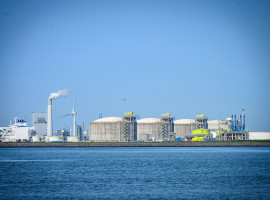
In the latest wave of airstrikes targeting Russian oil infrastructure, Ukrainian officials on Monday said forces struck the Grushovaya oil transshipment base near Novorossiysk overnight, one of southern Russia’s largest oil and petroleum export hubs, while also targeting oil facilities in the Volgograd region and fuel storage sites in Russian occupied Crimea. Russian authorities confirmed that a fire broke out at the Novorossiysk facility, though they did not disclose the extent of the damage.
Ukraine’s strategy is evolving beyond attacks on refining capacity alone. Earlier this year, repeated drone strikes forced temporary shutdowns at several Russian refineries, but Moscow largely offset those disruptions by increasing crude exports. However, last week, Russia’s Deputy Prime Minister Alexander Novak acknowledged that national oil production has fallen since the beginning of the year, marking one of the first public admissions from Moscow that the country’s oil sector is facing mounting operational challenges.
According to Reuters sources, Russia plans to increase refinery runs by between 250,000 and 400,000 bpd this month as seasonal fuel demand rises and shortages emerge in several regions. At the same time, industry sources believe crude production continued to decline in May after already suffering one of its steepest monthly drops since the pandemic in April. Reuters previously reported that Russian output fell by as much as 300,000 to 400,000 bpd in April compared with average levels earlier in the year.
Moscow has already moved to protect domestic fuel supplies. Gasoline exports were suspended in April, while exports of jet fuel were recently banned through the end of November. Industry sources told Reuters there have been no spot deals for June deliveries of West Siberian crude into the domestic market, with producers citing feedstock shortages and prioritizing export commitments.
By Charles Kennedy for Oilprice.com
More Top Reads From Oilprice.com
- EU Says No Jet Fuel Shortage Coming Despite Middle East Supply Loss
- UK Conservatives Blast Labour North Sea Ban as ‘Utter Madness’
- Australia’s 344-Million-Barrel Oilfield Could Finally Get the Green Light