Rwanda is preparing for a major expansion in energy access after securing significant international financing to support electricity and clean cooking solutions for its citizens. The initiative follows the approval of a financing addendum by the African Development Bank Group, confirming a $100 million loan from the Asian Infrastructure Investment Bank. This new funding adds to an earlier $200 million loan approved in July 2025, taking the total investment under the program to $300 million.
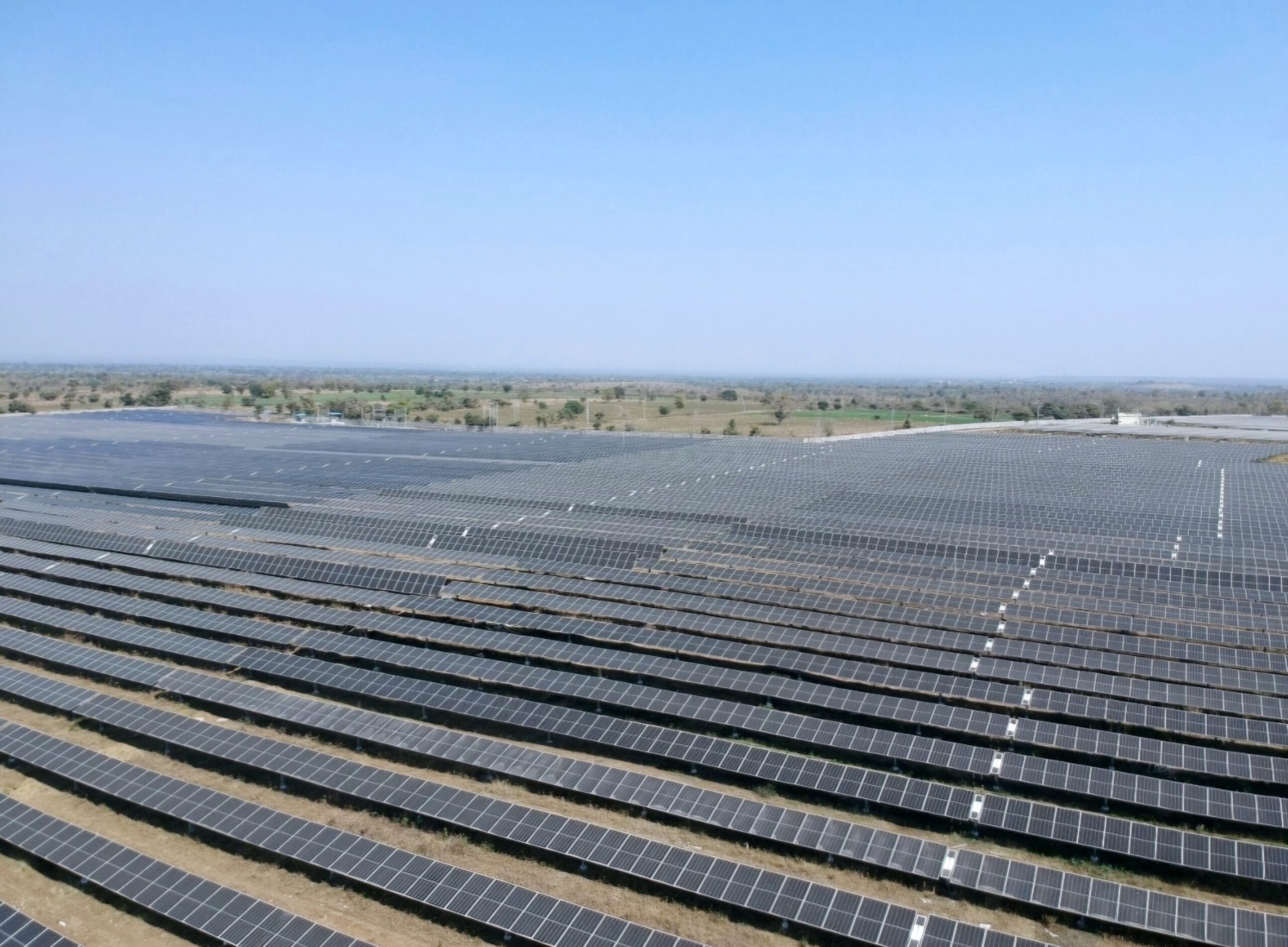
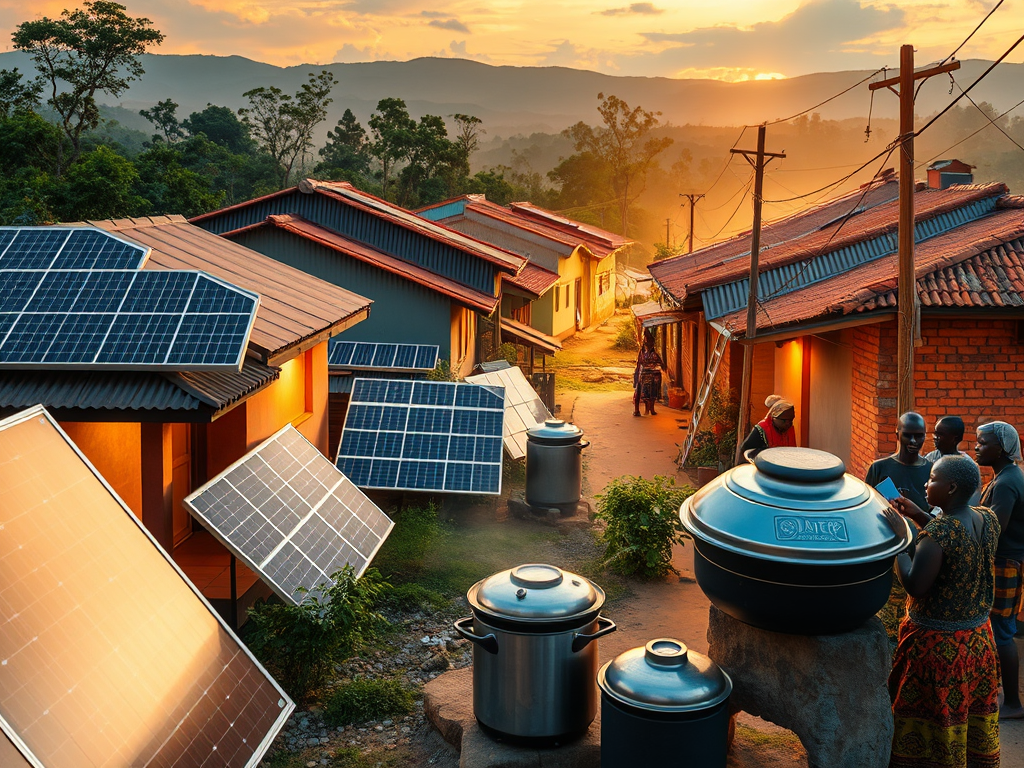
The results-based program is designed to improve energy access for low-income communities across the country. Around 50,000 households are expected to receive standalone solar home systems, giving families reliable electricity for lighting, charging devices, and running small appliances. In addition, more than 100,000 clean cooking technologies will be distributed to homes and public institutions, including schools. These solutions include improved biomass cookstoves and energy-efficient systems that aim to replace traditional cooking methods that produce harmful smoke.
The project also focuses on expanding Rwanda’s broader energy infrastructure. Over 200,000 new customers will be connected to the national electricity grid, while 850 industrial and commercial users will benefit from more stable and reliable power supply. The plan further includes the installation of 2,000 solar water heaters for households and small businesses, helping to reduce energy costs and dependence on conventional fuels.
The expected social impact of the program is significant. Access to reliable electricity will allow small businesses to operate for longer hours and improve productivity. Better street lighting is likely to improve safety in communities. At the same time, the shift to clean cooking technologies is expected to reduce indoor air pollution, which has long posed serious health risks, especially for women and children.
The initiative is also expected to create economic opportunities. At least 6,000 direct and indirect jobs are projected to be generated through the program. Special attention will be given to supporting around 2,000 youth-led small and medium enterprises that will be involved in energy distribution, installation, and maintenance services.
This investment forms part of Rwanda’s long-term national development strategy, Vision 2050, which targets universal access to sustainable energy by 2035. By using a results-based financing model, the African Development Bank Group will release funds only after verified improvements in energy access and service quality are achieved. This approach is intended to ensure accountability and deliver measurable benefits to communities across the country.
Subscribe to get the latest posts sent to your email.