The government of Sabah has introduced a new policy framework and updated guidelines to accelerate the adoption of renewable energy across the state. The initiative reflects a broader effort to strengthen long-term energy security, support sustainable development, and reduce reliance on fossil fuel–based power generation as electricity demand continues to grow.
The newly announced framework is designed to simplify the process for developing renewable energy projects. Officials aim to make it easier for both local and international investors to participate in the state’s clean energy sector. By reducing regulatory complexities and providing clearer procedures for approvals, the government hopes to encourage greater private sector participation in renewable energy development.
Under the updated guidelines, priority will be given to projects in solar, hydropower, and biomass energy. These technologies have been identified as having strong potential in Sabah due to the state’s natural resources and geographical conditions. Authorities believe that encouraging investment in these sectors will help expand the renewable energy share in the overall power mix while supporting economic growth.
The framework also places strong emphasis on technical standards and operational safety. All new renewable energy installations will be required to follow strict quality guidelines to ensure reliable and efficient performance. Strengthening these standards is expected to improve the stability of the power grid while ensuring that renewable energy systems operate safely and effectively over the long term.
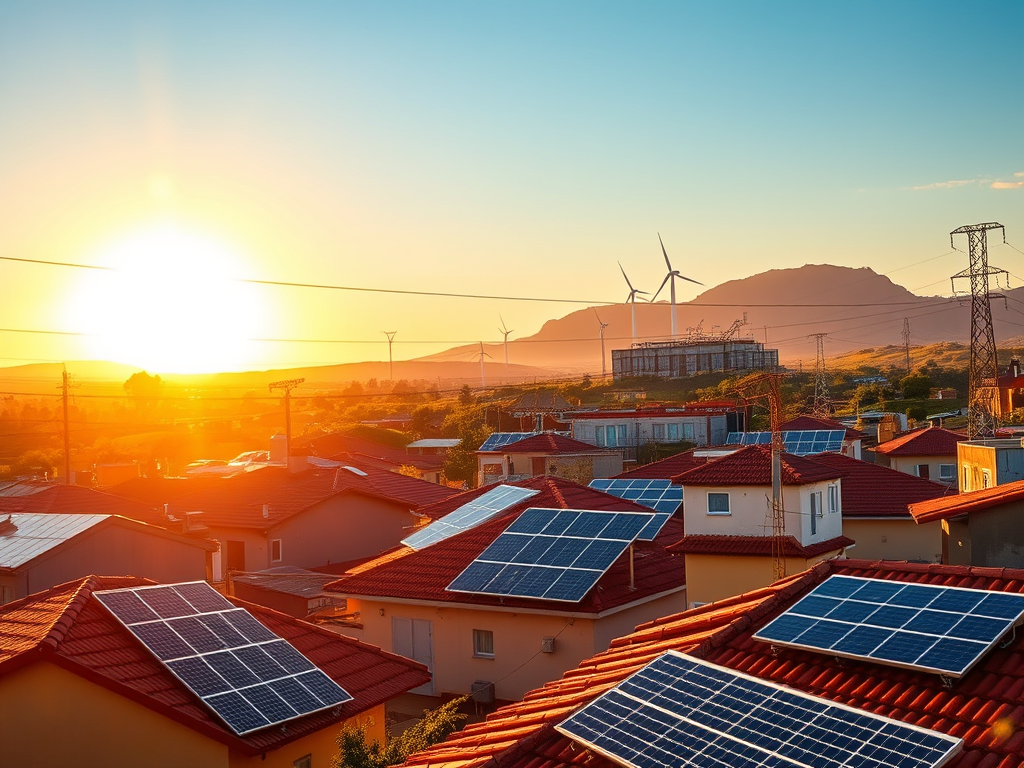
Another important part of the new policy focuses on expanding small-scale renewable energy systems. The guidelines promote the installation of rooftop solar panels in homes, commercial buildings, and other facilities. By supporting distributed energy systems, the government hopes to allow more citizens and businesses to participate directly in the energy transition while also reducing pressure on the central power supply.
Environmental protection has also been integrated into the framework. Renewable energy projects will be required to undergo environmental impact assessments before approval. This measure is intended to ensure that development activities do not harm local ecosystems and that natural resources are preserved even as energy infrastructure expands.
The government has also highlighted the need to build local technical capabilities to support the renewable energy sector. The framework encourages collaboration between energy developers and educational institutions to establish training programs for students and professionals. These initiatives are expected to develop a skilled workforce capable of operating, maintaining, and improving renewable energy technologies.
Officials believe that the new policy framework will play an important role in helping the state progress toward long-term carbon reduction goals. By diversifying its energy sources and increasing the share of renewable power, Sabah aims to strengthen energy independence and reduce exposure to global fuel price fluctuations. The initiative is also expected to attract new investments and promote innovation, helping the state build a more sustainable and resilient energy system in the years ahead.
Subscribe to get the latest posts sent to your email.