Saudi Arabia and Kuwait are attempting to press on with planned multibillion-dollar energy deals despite a widening conflict that’s seen Iran target oil and gas infrastructure across the Middle East over the past three weeks.
Kuwait Petroleum Corp.’s attempts to lease part of its pipeline network has drawn interest from large private equity and infrastructure funds, according to people familiar with the matter. The suitors remain committed and the energy giant is carrying on with the plans for now, the people said, declining to identified as the information is private.
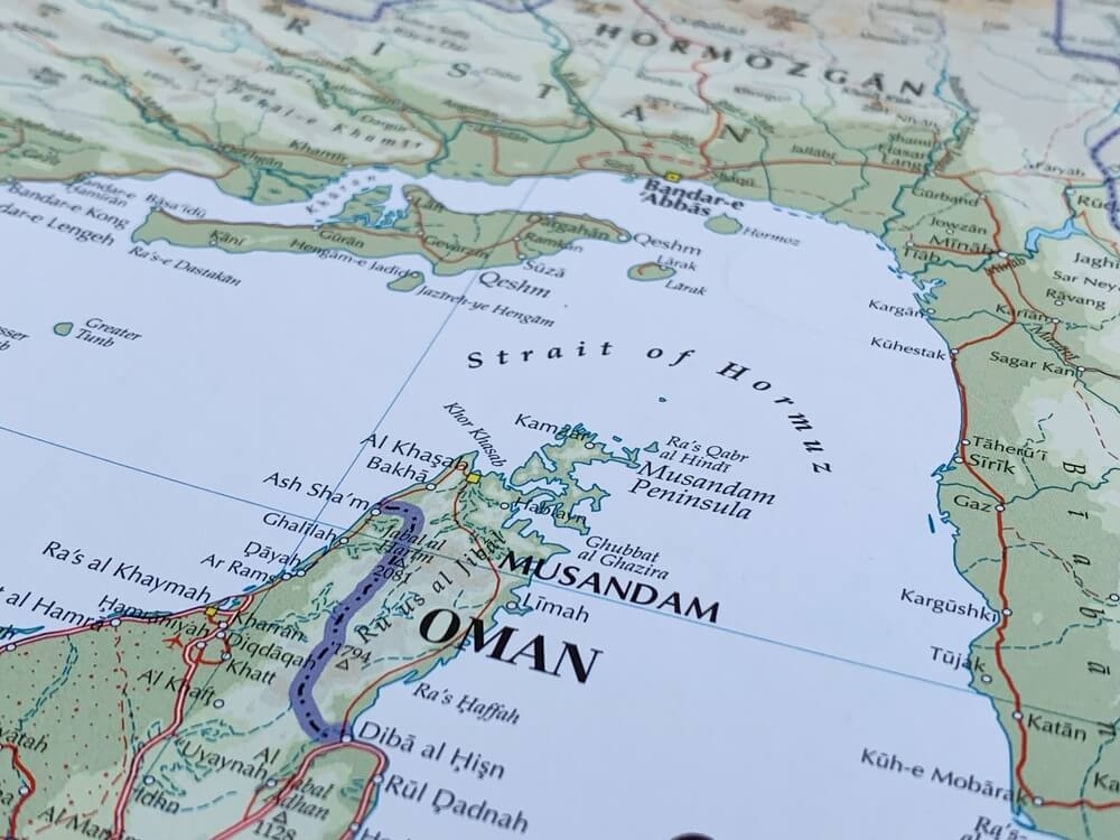
Saudi Aramco too plans to launch a process to sell a stake in its oil export and storage terminals business in coming weeks, some of the people said. It had had picked Citigroup Inc. to help arrange a deal for the business that’s particularly significant now with the kingdom racing to reroute shipments to the Red Sea as the Strait of Hormuz remains at a standstill.
Kuwait Petroleum, meanwhile, is working with Centerview Partners LLC to lease part of its pipeline network and hoped to raise as much as $7 billion to help fund an investment plan.
Their attempts to carry on with the plans indicate Gulf states are keen to portray a business-as-usual approach despite Iran’s attacks. Still, there have been concerns that the war could dampen the process, some of the people said.
Representatives for Kuwait Petroleum didn’t respond to a request for comment. Citigroup and Centerview declined to comment.
Deals like the ones being considered by Aramco and KPC have become increasingly popular with Gulf governments looking to diversify their economies. Such transactions are typically structured to allow regional oil behemoths to tap into global institutional capital while still retaining control over key assets.
But the regional war, now in its fourth week, has caused some uncertainty.
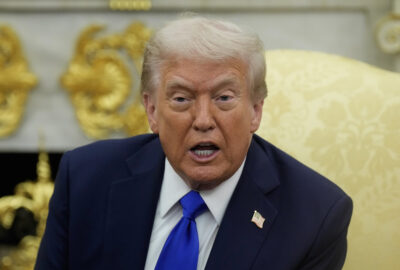
President Donald Trump said on Monday that the US had held productive conversations regarding a total resolution of hostilities in the Middle East. However, Iran hasn’t had “direct or indirect communication with Trump,” the country’s semi-official Fars news agency reported, citing an anonymous Iranian source.
Tehran has hit energy assets across the region since the war started, including Saudi Arabia’s biggest oil refinery at Ras Tanura, and repeatedly targeted the kingdom’s Shaybah oil field, which has the capacity to produce 1 million barrels of crude a day.
Saudi Arabia’s storage terminals have also been in focus as the near-closure of the Strait of Hormuz forces the kingdom to send more of its oil into tanks. Kuwait is facing similar concerns as storage fills up, forcing it to cut oil production to levels seen in the early 1990s after the Iraqi invasion.
While Aramco didn’t comment on plans to sell a stake in its oil export and storage terminals business, the company said in a statement that it’s ensuring reliable supply by using alternative export routes through Yanbu, and that its priority is maintaining safe, reliable operations while supporting market stability.
Despite the conflict, Gulf sovereign investors more broadly are pressing ahead with global dealmaking. Abu Dhabi Investment Authority, one of the world’s largest sovereign wealth funds, was particularly active this month, while Qatar’s wealth fund and a Bahraini aluminum firm both announced large deals in the first week of the war.
What do you think? We’d love to hear from you, join the conversation on the
The is a new social experience created for you and all energy professionals to Speak Up about our industry, share knowledge, connect with peers and industry insiders and engage in a professional community that will empower your career in energy.