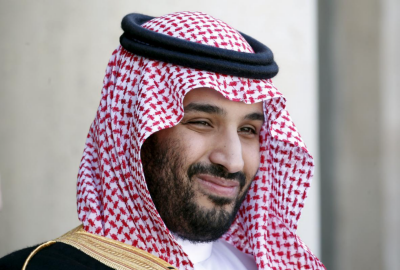
The crown prince, widely known by his initials MBS, denied ordering the operation but acknowledged responsibility as the kingdom’s de facto ruler.
Get the Latest US Focused Energy News Delivered to You! It’s FREE:
More than seven years later, the world’s largest economy and the world’s top oil producer want to move forward.
Trump is seeking to cash in on a $600 billion Saudi investment pledge made during Trump’s visit to the kingdom in May. He steered clear of mentioning human rights concerns during that trip and is expected to do so again.
The Saudi leader is seeking security guarantees amid regional turmoil and wants access to artificial intelligence technology and progress toward a deal on a civilian nuclear programme.
“There is a page that has been turned” on Khashoggi’s killing, said Aziz Alghashian, Saudi-based lecturer of international relations at Naif Arab University for Security Sciences.
FOCUS ON DEFENCE DEAL
The United States and Saudi Arabia have long had an arrangement for the kingdom to sell oil at favourable prices and for the superpower to provide security in exchange.
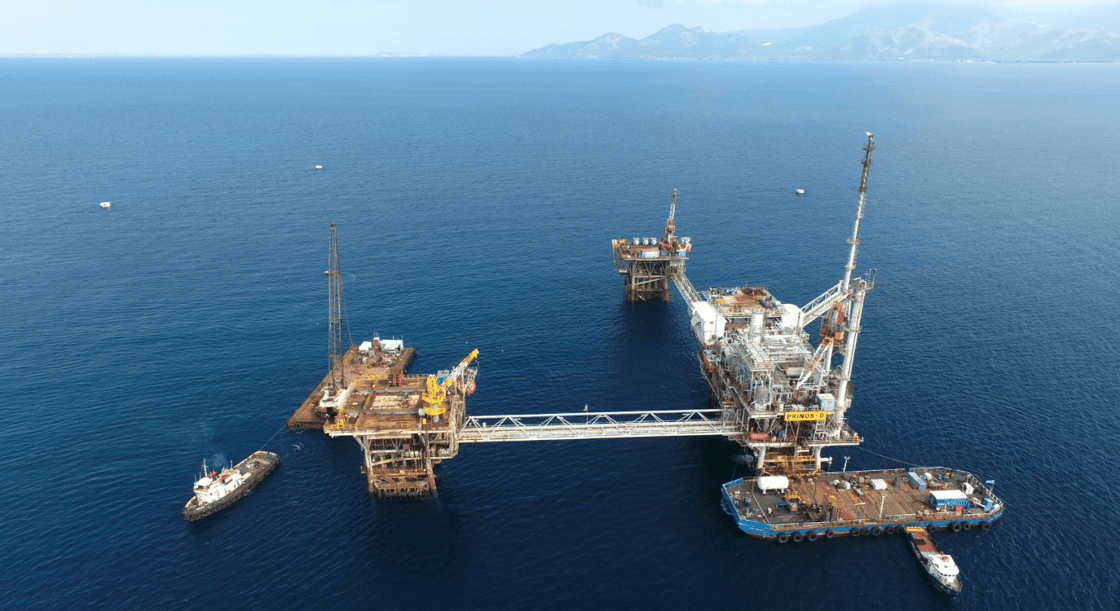
That equation was shaken by Washington’s failure to act when Iran struck oil installations in the kingdom in 2019. Concerns resurfaced in September, when Israel struck Doha, Qatar, in an attack it said targeted members of Palestinian militant group Hamas.
In the aftermath, Trump signed a defence pact with Qatar via executive order. Many analysts, diplomats and regional officials believe the Saudis will get something similar.
Saudi Arabia has sought a defence pact ratified by the U.S. Congress in recent negotiations. But Washington has made that contingent on the kingdom normalizing ties with Israel.
Riyadh has in turn linked that to a commitment from Israel’s government, the most right-wing in its history, to Palestinian statehood. Israeli Prime Minister Benjamin Netanyahu, who agreed to a Trump-brokered ceasefire with Hamas in Gaza last month after two years of war, on Sunday reaffirmed his staunch opposition to Palestinian independence.
A Trump executive order on defence similar to the pact with Qatar would fall short of the defence agreement the Saudis have sought. But Alghashian said it would “be a step on the way, part of the process, not the end of the process.” A Western diplomat based in the Gulf summed up the dynamic: “Trump wants normalization and Saudi wants a full defence pact, but the circumstances don’t allow. In the end, both sides will likely get less than they want. That’s diplomacy.”
Dennis Ross, a former Middle East negotiator for Democratic and Republican administrations now at the Washington Institute for Near East Policy, said he expects an executive order that would call for the U.S. and the Saudis “to immediately consult on what to do in response to the threat” while not committing Washington to actively come to the defence of Riyadh.
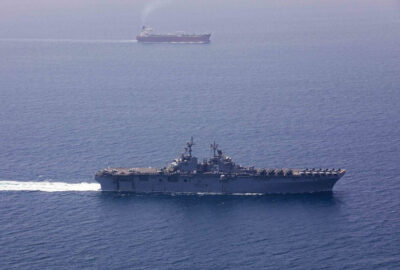
“That could run the gamut of providing a range of different assistance, replacing arms, deploying defensive missile batteries like THAAD or Patriot, deploying naval forces with a Marine unit – to actively taking part in the combat in an offensive not only defensive manner,” he said.
DEALS KEY AMID REGIONAL RIVALRY
Riyadh has also been pressing for deals in nuclear energy and artificial intelligence under its ambitious Vision 2030 plan to diversify its economy and strengthen its position relative to regional rivals.
Securing approval to acquire advanced computer chips would be critical to the kingdom’s plans to become a central node in global AI and to compete with the United Arab Emirates, which in June signed a U.S. multibillion-dollar data centre deal that gave it access to high-end chips.
MBS also wants to strike an agreement with Washington on developing a Saudi civilian nuclear programme, part of his effort to diversify from oil.
Such a deal would unlock access to U.S. nuclear technology and security guarantees and help Saudi Arabia level up with the UAE, which has its own programme, and traditional foe Iran.
But progress on a U.S. deal has been difficult because the Saudis did not want to agree to a U.S. stipulation that would rule out enriching uranium or reprocessing spent fuel – both potential paths to a bomb.
Ross said he expected an announcement of an agreement on nuclear energy, or at least a statement on progress towards one.
(Reporting by Timour Azhari in Riyadh; Editing by Cynthia Osterman)
Share This:
More News Articles