SEMA Coalition Warns of Risks to U.S. Solar Manufacturing Following Senate Reconciliation Bill

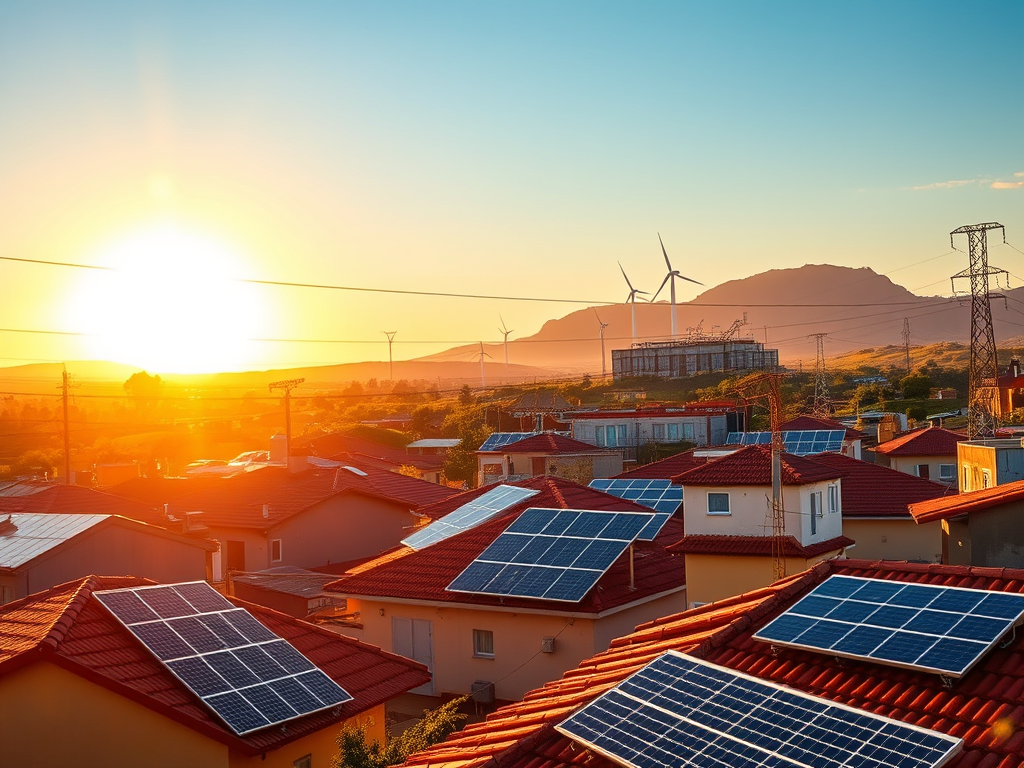
Representational image. Credit: Canva

The Solar Energy Manufacturers for America (SEMA) Coalition has raised serious concerns following the U.S. Senate’s passage of the latest reconciliation bill, cautioning that the move could have significant ramifications for domestic solar manufacturing and energy security.

Mike Carr, Executive Director of the SEMA Coalition, stated that the bill undermines the government’s prior commitments to support U.S. solar manufacturing. “The Senate has reversed course for technologies it appears to disfavor. For months, we have warned lawmakers that this bill could open the floodgates to Chinese imports, jeopardizing American jobs and manufacturing investments,” Carr said.

SEMA emphasizes that U.S. solar manufacturers are not competing with private companies alone, but with the full backing of the Chinese government and its vast resources. Member companies have invested billions in state-of-the-art manufacturing facilities, based on the belief that the U.S. government would provide a stable policy environment to level the playing field.

A key concern centers on the rapid termination of the Domestic Content Bonus, which was originally designed to incentivize the use of American-made solar products. Carr warned that this policy shift could result in massive stockpiling of lower-cost Chinese panels before the incentive window closes at year-end—potentially dominating new U.S. energy capacity additions in the coming years.

“By removing these incentives abruptly, the bill inadvertently channels American taxpayer dollars toward Chinese-made components,” Carr noted. “It pulls the rug out from under companies that have taken real risks to restore American solar manufacturing and ensure national energy independence.”

SEMA has spent the past several months engaging lawmakers, highlighting how weakening domestic content requirements and easing restrictions on Chinese material inputs could cost U.S. jobs, increase grid vulnerability, and allow foreign companies to dominate the U.S. renewable energy infrastructure.

Carr concluded, “This kind of policy reversal is damaging not only to manufacturers but to America’s long-term credibility. How can companies trust future federal commitments? The bill sends a troubling message to those working to build a resilient and self-reliant clean energy future for the U.S.”

Earlier, the Solar Energy Industries Association (SEIA) had also flagged similar concerns, warning of the bill’s potentially catastrophic impact on the U.S. solar and storage sectors.
 

  • Related Posts

    Actis Sells Peru Power Generation Platform Orygen to Grupo Romero

    Representational image. Credit: Canva Actis, a global investor focused on sustainable infrastructure in growth markets, has completed the sale of Orygen, a major power generation platform in Peru, to Grupo…

    Sabah Unveils New Renewable Energy Framework To Boost Clean Power Investment In Malaysia

    Representational image. Credit: Canva The government of Sabah has introduced a new policy framework and updated guidelines to accelerate the adoption of renewable energy across the state. The initiative reflects…

    Have You Seen?

    IRAN’S “CROWN JEWEL” – Kharg Island, Struck by US, is Key Hub for Iran Oil Exports

    • March 15, 2026
    IRAN’S “CROWN JEWEL” – Kharg Island, Struck by US, is Key Hub for Iran Oil Exports

    US Authorizes 13% Increase in Exports at Venture Global’s Plaquemines LNG Terminal

    • March 15, 2026
    US Authorizes 13% Increase in Exports at Venture Global’s Plaquemines LNG Terminal

    Trump Threatens More Strikes on Iran’s Kharg Island, Pushes Allies on Strait of Hormuz

    • March 15, 2026
    Trump Threatens More Strikes on Iran’s Kharg Island, Pushes Allies on Strait of Hormuz

    Sabah Unveils New Renewable Energy Framework To Boost Clean Power Investment In Malaysia

    • March 14, 2026
    Sabah Unveils New Renewable Energy Framework To Boost Clean Power Investment In Malaysia

    Actis Sells Peru Power Generation Platform Orygen to Grupo Romero

    • March 14, 2026
    Actis Sells Peru Power Generation Platform Orygen to Grupo Romero

    GE Vernova And Hitachi Explore Small Modular Reactor Deployment Across Southeast Asia

    • March 14, 2026
    GE Vernova And Hitachi Explore Small Modular Reactor Deployment Across Southeast Asia

    South Africa Marks 300 Days Without Loadshedding As Eskom Stabilizes Power Supply

    • March 14, 2026
    South Africa Marks 300 Days Without Loadshedding As Eskom Stabilizes Power Supply

    Eskom And City Of Ekurhuleni Reach R3.4 Billion Debt Settlement To Secure Power Supply

    • March 14, 2026
    Eskom And City Of Ekurhuleni Reach R3.4 Billion Debt Settlement To Secure Power Supply

    Crude Futures Turn Positive on Continued Hormuz Closure

    • March 14, 2026
    Crude Futures Turn Positive on Continued Hormuz Closure

    Hormuz Crisis Forces Massive Saudi Oil Shut-In

    • March 14, 2026
    Hormuz Crisis Forces Massive Saudi Oil Shut-In