(Reuters) – Oil transportation and storage company Sentinel Midstream expects to make a final investment decision on its deepwater oil export project off the Texas coast as soon as it receives a U.S. government license, CEO Jeff Ballard told Reuters.
The move comes as U.S. President Donald Trump pushes for faster approvals of projects that will help bolster the U.S. energy industry, including fossil fuel production.
As part of that push, Sentinel’s Texas GulfLink project was issued a record of decision, a major step in the permitting process, on Friday by the Trump administration.
The record of decision approved the project with conditions. Sentinel must meet state and federal and other requirements to receive a license to begin construction.
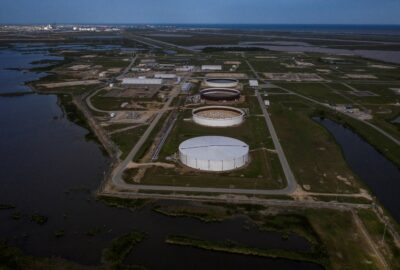
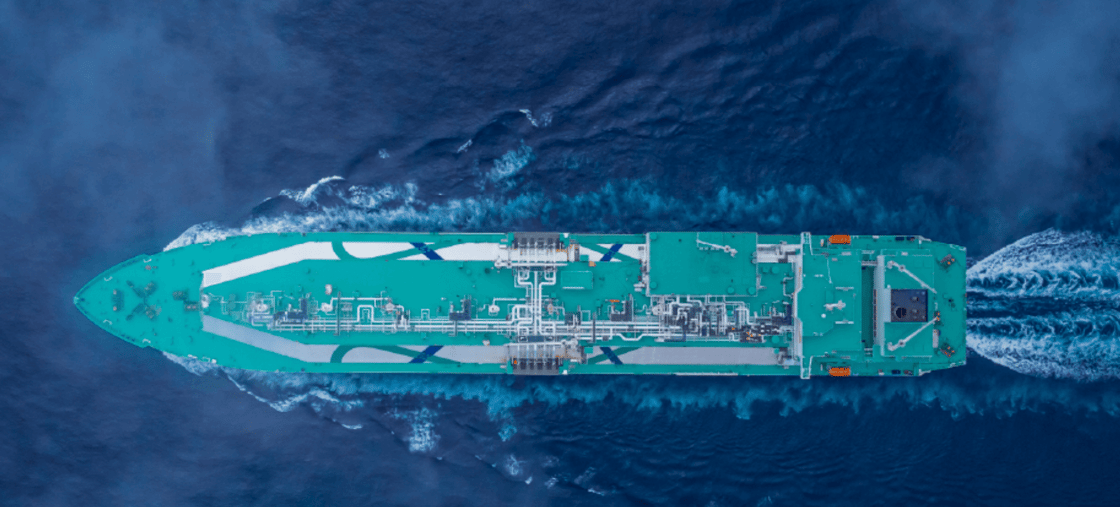
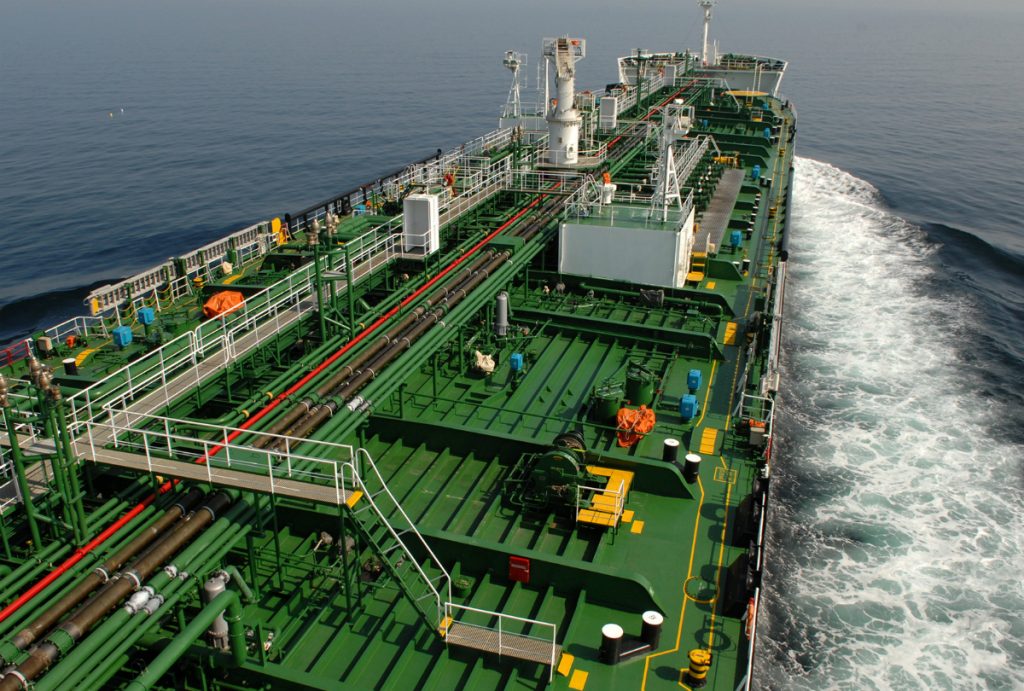
The offshore project, expected to be situated about 30.5 miles off Freeport, Texas, aims to be able to fully load a supertanker with about 2 million barrels of oil in a day.
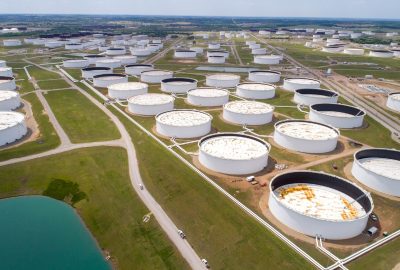
Currently only one U.S. port, the Louisiana Offshore Oil Port, can fully load supertankers. Other facilities can only load a supertanker partially due to draft restrictions, requiring them to use smaller ships to ferry crude to the larger vessel to fill it.
“If commercial discussions proceed as we expect them to, then our final investment decision timeline should coincide with the receipt of the license,” Ballard said in an interview on Wednesday. He declined to provide a specific timeline.
The last U.S. deepwater project, Enterprise Products Partners’ Sea Port Oil Terminal (SPOT), took just over 17 months from record of decision to license under the administration of former president Joe Biden, which was less supportive of energy development than the Trump administration.
“The conditions in the record of decision are pretty clear and straightforward, nothing was surprising, which is great,” Ballard said.
Sentinel’s upbeat outlook comes days after rival Enterprise said it had not received enough customer interest to commercialize its SPOT crude export project, blaming regulatory delays and a shift in global oil flows after Russia’s invasion of Ukraine.
U.S. crude exports also eased for the first time last year since the COVID-19 pandemic, raising concerns that the country’s oil export volumes may have peaked.
The relatively low total project cost of Texas GulfLink gives it an economic advantage to offer competitive rates and term flexibility to customers, Ballard said. He declined to disclose the estimated project cost.
Prices for exporting from Texas GulfLink will likely also be competitive with facilities in Ingleside near Corpus Christi in South Texas, Ballard said. Corpus Christi is currently the top U.S. oil export region.
“We kind of view Corpus Christi export facilities as a separate market. We don’t believe it’s an us versus them. We see the future where it’s us with them,” Ballard said.
DRILL, BABY, EXPORT
While Trump has called for higher oil production, energy executives have forecast slowing growth as they focus on capital discipline, which could impact the availability of export volumes.
Ballard, however, said he was bullish on production growth.
“The new administration is being very strong on American energy dominance and putting that as one of their core focal points – I think that is to our benefit,” Ballard said.
“You’re going to see more certainty in the market towards making long-term investments in American oil and gas,” he added.
Ballard also said he expects to see some U.S. crude oil flows shift to Asia as the administration works to resolve the conflict between Russia and Ukraine.
Asia’s share of U.S. crude exports declined to 38% in 2024 from 43% in 2019 as Russia’s invasion of Ukraine and ensuing sanctions on Russian oil pushed U.S. barrels to Europe. Crude to Europe can be shipped economically in smaller tankers, while increased demand from Asia would lead to higher usage of supertankers, targeted by Texas GulfLink.
Reporting by Arathy Somasekhar in Houston; Editing by Liz Hampton and Nia Williams
Share This:
More News Articles