By
5 hours ago 4 min read
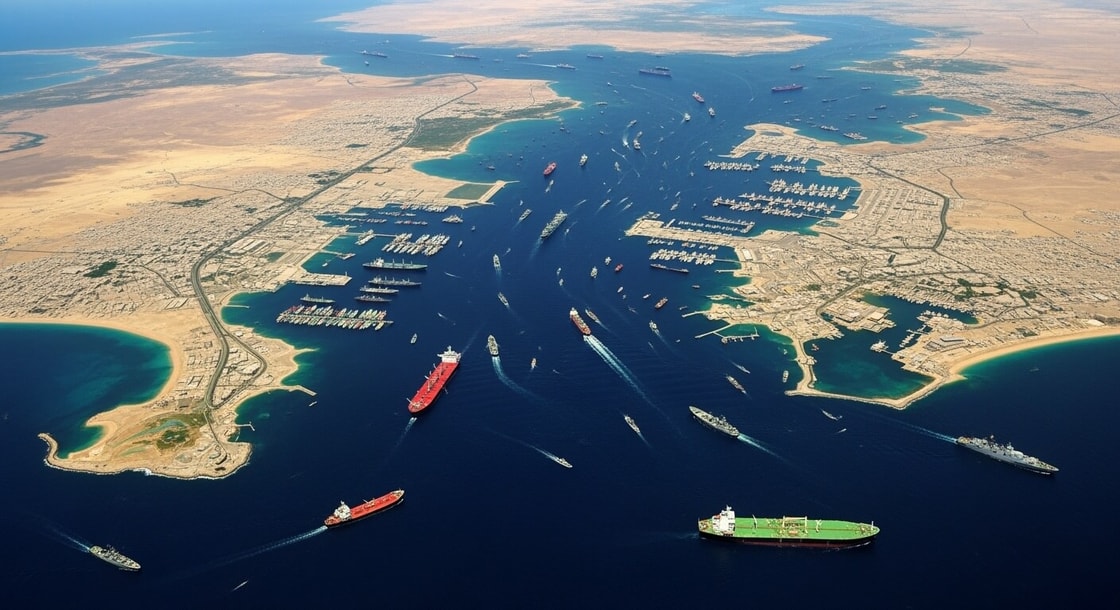
The widespread relief greeting the US-Iran framework deal – which has the full reopening of the Strait of Hormuz at its core – has been tempered by concerns that clearing mines could impact shipping for months.
The memorandum of understanding, brokered with Pakistan, is due to be signed on Friday (19 June). It establishes a 60-day window for final negotiations to end the war, but precise details are unclear.
While US President Trump declared “ships of the world, start your engines”, military observers warned clearing mines in the area, along with the existing backlog of vessels, could take weeks or potentially months.
Speaking on UK radio, Admiral (Retired) Mark Montgomery, Senior Fellow at Foundation for Defense of Democracies, said there have been ‘queue route’ clearances underway in the two transit routes in the strait to enable unrestricted shipping access.
“This is a weeks to months long process to remove the rest of the mines,” he said. “It’s not just the backlog – we need ships to go in a pick up full stowage, and that’s going to take a month or 45 days.”
His comments echo those made at the in Frankfurt last week, that even if tensions between the US and Iran ease and a diplomatic deal is reached, shipping operators are likely to face continued disruption, regulatory scrutiny and elevated risks. De-mining the strait is expected to be discussed at the G7 Summit which begins in France today.
War-risk insurance premiums for tankers have surged, with a $100m vessel potentially facing around $3m in insurance costs per voyage.
Speaking on Sky News, Arsenio Dominguez, Secretary-General at the International Maritime Organisation, said, “It’s good news to have this first step, but we must now wait for details. We still need the guarantees for the trade to return, if there are challenges with mines they will have to be cleaned up.”
“From conversations with the ‘coalition of the willing’ there is the intention to provide security like naval escorting but this is not a longer term sustainable solution, but it’s something that can bring back confidence and trust. First we must make sure the area is clear of hazards.”
A geopolitical premium is likely to persist given the deep mistrust among all parties and the significant drawdown of commercial and strategic inventories used to offset recent supply losses, believes Landon Derentz, Vice-President for Energy and Infrastructure at the Atlantic Council, the non-partisan UK think tank.
“Another challenge is that the war caused structural damage,” he said. “Portions of the region’s downstream infrastructure and liquefied natural gas export capacity, including facilities at Ras Laffan, will require extensive repairs.”
“The challenge is that energy markets run on certainty. A stop-and-start ceasefire that repeatedly disrupts shipping routes, delays mine-clearing operations, or enables periodic attacks on critical infrastructure will slow the return of supply and keep risk premiums elevated.”
All eyes will be on QatarEnergy to see if it restarts LNG and helium production at Ras Laffan following the framework deal.
Phil Kornbluth, of Kornbluth Helium Consulting, understands it would take around one month for QatarEnergy to return LNG to full capacity, less the two of 14 trains that sustained long-term damage. “Since helium is produced as a by-product of LNG production at the Helium1 and Helium2 plants, I would think that helium production would be brought back on line when there is sufficient feed gas to restart the helium plants.”
Last week’s summit heard the global helium market could be on the brink of as supply disruptions in Qatar and Russian export controls threaten to overturn more than two years of market oversupply.
European Commission President Ursula von der Leyen said freedom of navigation must be restored toll-free, which is essential for regional stability and the global economy.
“This crisis also carries a clear lesson. Once again, energy dependencies have been weaponised,” she said. “We must diversify our supply routes and develop alternative export corridors to diversify away from the bottleneck of Hormuz.”
Read more: