By
21 min ago 2 min read
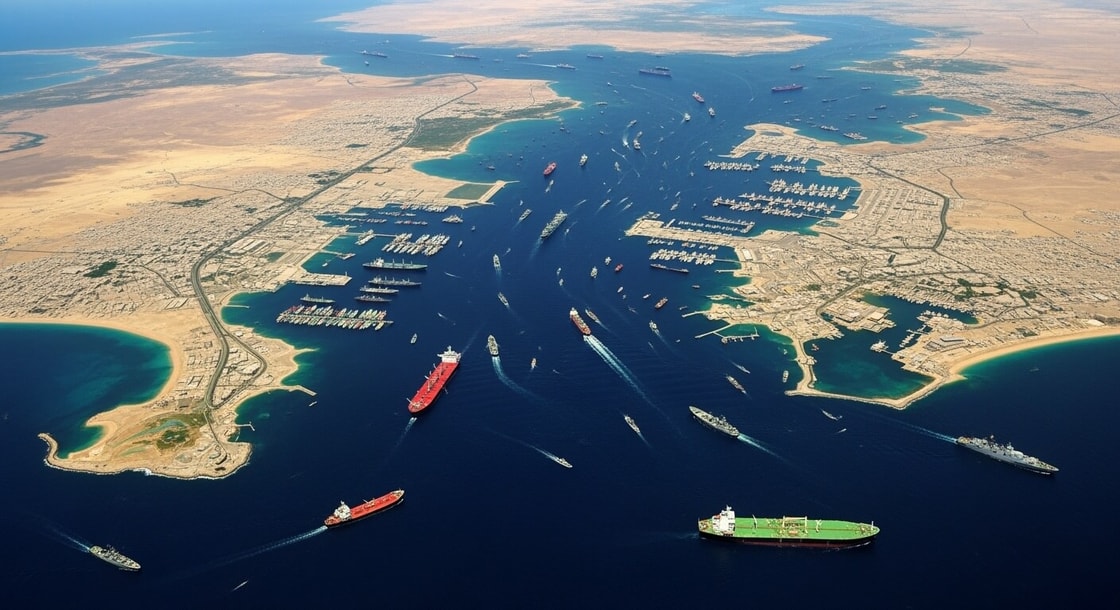
The widespread relief greeting the US-Iran framework deal – which has the full reopening of the Strait of Hormuz at its core – has been tempered by concerns that clearing mines could impact shipping for months.
The memorandum of understanding, brokered with Pakistan, is due to be signed on Friday (19 June). It establishes a 60-day window for final negotiations to end the war, but precise details are unclear.
While President Trump announced “ships of the world, start your engines”, military observers warned clearing mines in the area, along with the existing backlog of vessels, could take weeks or potentially months.
Speaking on UK radio, Admiral (Retired) Mark Montgomery, Senior Fellow at Foundation for Defense of Democracies, said there have been ‘queue route’ clearances underway in the two transit routes in the strait to enable unrestricted shipping access.
“This is a weeks to months long process to remove the rest of the mines,” he said. “It’s not just the backlog – we need ships to go in a pick up full stowage, and that’s going to take a month or 45 days.”
His comments echo those made at the in Frankfurt last week, that even if tensions between the US and Iran ease and a diplomatic deal is reached, shipping operators are likely to face continued disruption, regulatory scrutiny and elevated risks.
War-risk insurance premiums for tankers have surged, with a $100m vessel potentially facing around $3m in insurance costs per voyage.
Qatar’s Ras Laffan LNG facility is not expected to be fully online until late August, at the earliest, while full restoration of production units could take between three to five years.
Last week’s summit heard the global helium market could be on the brink of as supply disruptions in Qatar and Russian export controls threaten to overturn more than two years of market oversupply.
British Prime Minister Keir Starmer emphasised that toll-free freedom of navigation must be unconditionally restored to the strait.
Read more: