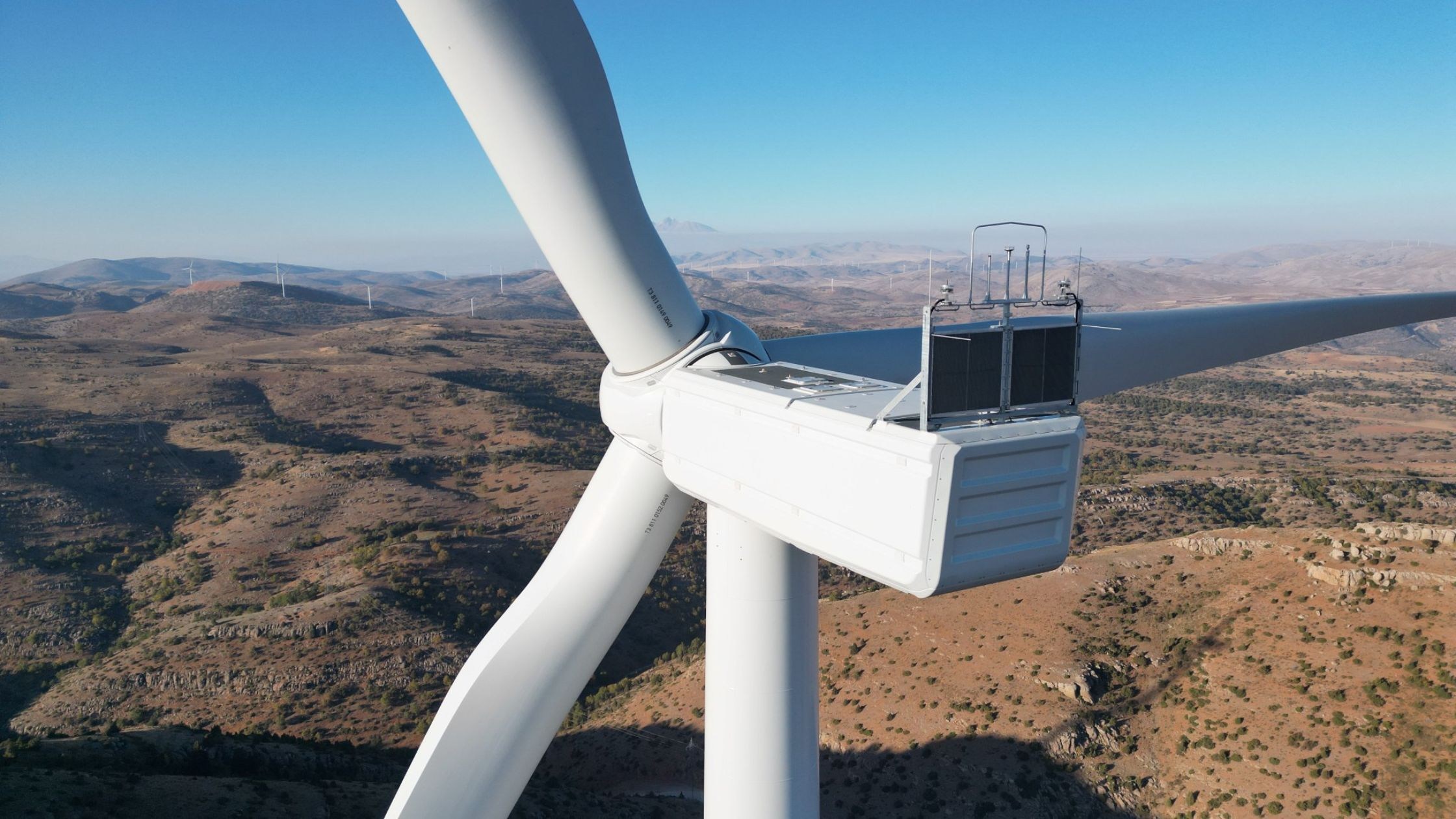
While wind turbines have become a familiar sight across our landscapes and are an important source of energy, many of these impressive structures have potential to generate even more energy and operate more efficiently. Much has been discussed around the creation of new wind projects, but there are many aging wind farms that could be improved with smaller updates.
The solution to maximizing their output lies not in the mechanical engineering that first springs to mind, but in the software that controls these massive machines. These intelligent software solutions offer a more economical path to improved performance, breathing new life into older installations and extending their operational lifespan.
The software revolution
A revolution in wind power efficiency is happening in the realm of software and data analysis. Software development, a crucial aspect of our technological advancement, goes hand-in-hand with hardware performance enhancement, ensuring the optimal functioning of the wind turbine system, especially within controllers and converters.
Recent software breakthroughs are impressive, significantly enhancing the performance and efficiency of wind turbine converters. These developments focus on advanced converter control algorithms and advanced data collection, analysis and storing capabilities, which can bring benefits such as improved grid compliance, predictive and condition-based maintenance, and remote monitoring capabilities.
Advanced control algorithms are at the forefront of these innovations. Modern wind turbine converters utilize these algorithms to optimize power output and ensure seamless integration with the power grid. They adapt in real-time to changing wind conditions and grid requirements, maximizing energy extraction while reducing structural loads on turbine components.
Grid compliance is another crucial aspect, as software updates enable converters to meet evolving grid codes and standards. This adaptability ensures stable integration with power grids across various regions, allowing turbines to maintain optimal performance even under challenging conditions. This will help to play a role as the world’s electricity grids undergo their significant transformation, as they require a 20% faster expansion over the next decade compared to the previous one.
Predictive maintenance and real-time data analysis has revolutionized how operators manage wind farms. Intelligent software systems monitor converter performance continuously, predicting potential issues and scheduling maintenance proactively. This allows operators to visualize performance patterns, identify inefficiencies and implement improvements without delay. This rapid response capability ensures that turbines consistently operate at peak efficiency.
Overall, these software innovations are driving the wind energy sector toward greater efficiency and reliability. As research continues, we can anticipate even more advanced control systems that will further optimize wind turbine performance.
Looking to the future
The future of wind is clearly two-fold, advancing new turbine technologies while optimizing the performance of the existing ones. This will ensure that renewables play a strong part in the future energy mix, secure energy production and availability while supporting more energy efficient landscapes. It will help to stabilize energy costs for people, businesses and governments.
As we continue our journey toward a cleaner energy future, the invisible revolution in wind power software is of critical importance in our ability to find innovative solutions to complex challenges.
 Jonas Wahlstroem is CTO, Global Product Group Renewables at ABB Motion based in Switzerland. He has spent more than 25 years at ABB Group, gaining a raft of experience in international business, with the last 5 years within product management, including product development, business development and strategy development and implementation. He has an M.B.A from Swiss Business School.
Filed Under:Featured