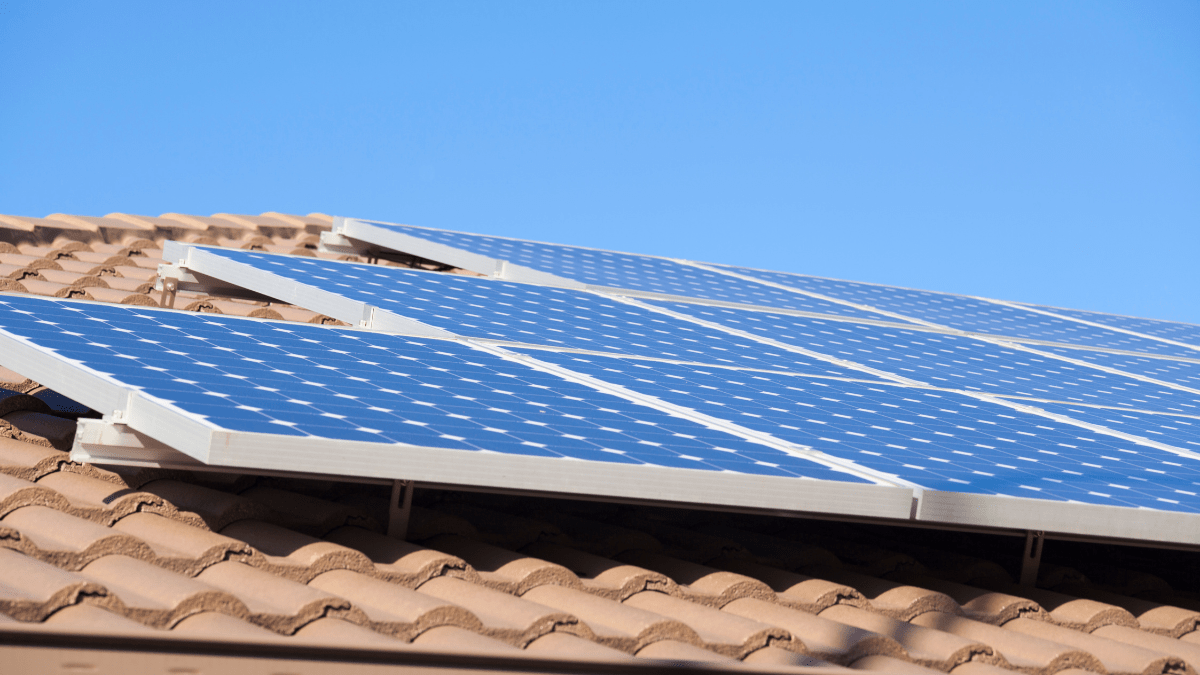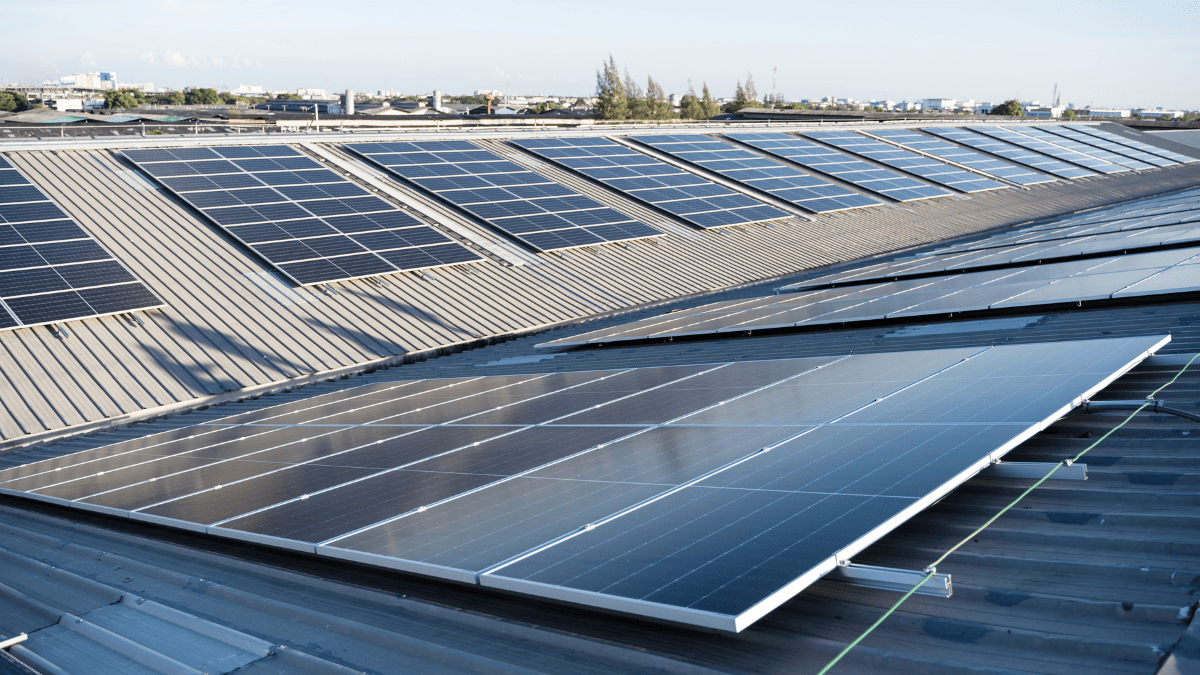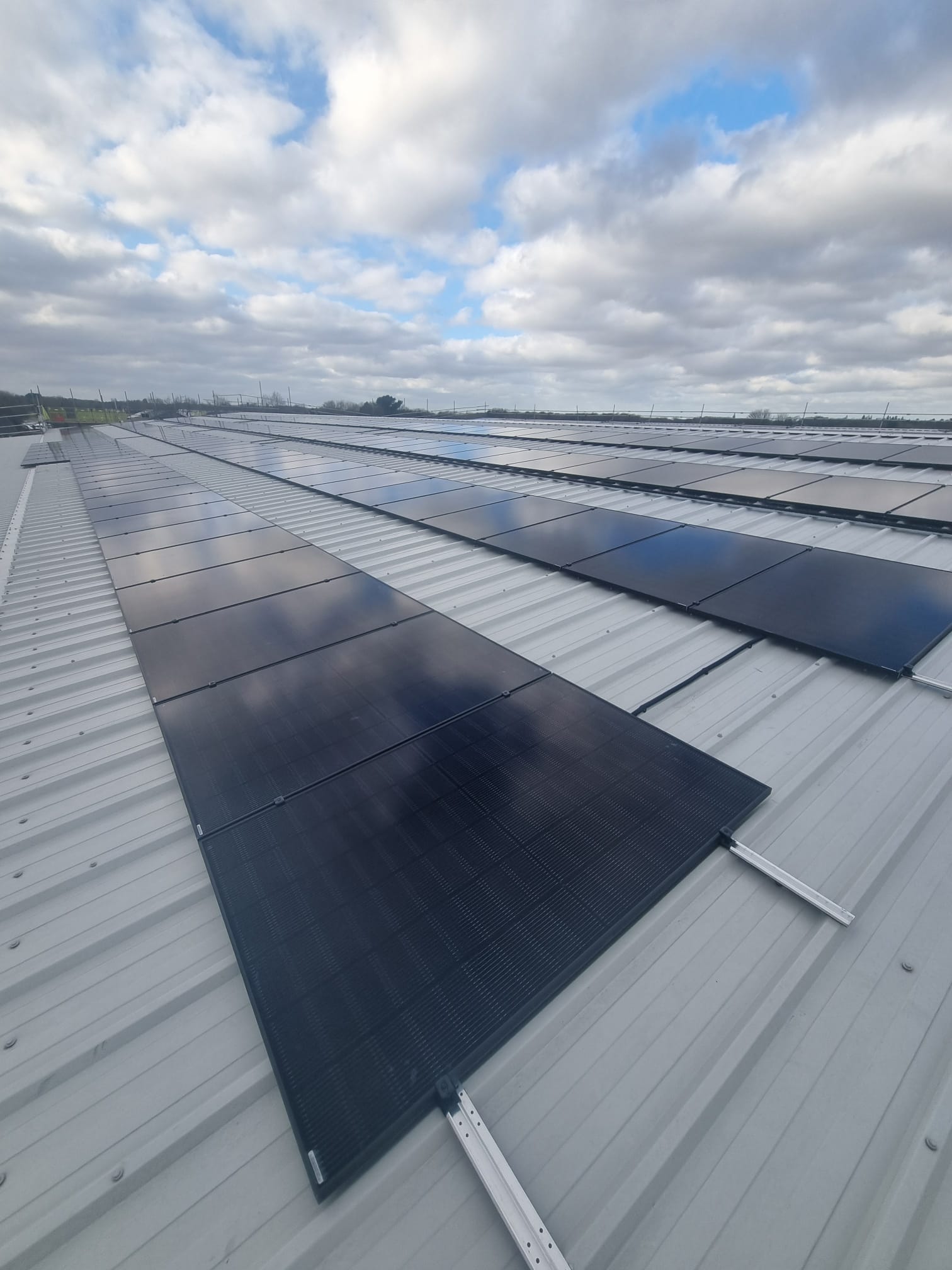
In a bid to lower energy costs, enhance supply security, and cut carbon emissions, Smithy Mushrooms has collaborated with AMPYR Distributed Energy (ADE) to install a 224kW rooftop solar system at its Lancashire production facility. Completed within weeks, the project now provides the site with clean, behind-the-meter (BTM) renewable energy.
Located near Ormskirk, Smithy Mushrooms is a leading producer of exotic mushrooms, specializing in varieties such as shiitake, oyster, lion’s mane, and shimeji. Supplying major retailers including Marks & Spencer, Booths, and Tesco, the company is known for its commitment to quality and freshness.
As one of Europe’s few dedicated exotic mushroom growers, Smithy Mushrooms helps retailers reduce reliance on overseas suppliers from Southeast Asia, minimizing shipping costs and food miles while ensuring timely delivery. This demand-driven approach has fueled the company’s ongoing expansion.
The firm’s advanced production facility, completed in 2024, has now been in operation for over a year. Purpose-built for growing specialty mushrooms, the expansive site houses all business functions, including production, storage, logistics, sales, marketing, finance, and HR.
Although constructed using sustainable materials and modern environmental techniques, the facility’s large scale and need for consistent, year-round hot and humid conditions lead to high energy consumption. With rising utility costs and market volatility, the company sought an innovative solution to manage operational expenses.
After evaluating various options, Smithy Mushrooms opted for BTM renewable energy generation and partnered with ADE to implement rooftop solar through its innovative power purchase agreement (PPA) model.
According to John Dorrian, Director of Smithy Mushrooms, the company has successfully lowered its energy costs, reduced its carbon footprint, and demonstrated to clients its commitment to addressing Scope 2 emissions.
With a highly experienced team, the support of AGP Sustainable Real Assets, and £300 million in capital allocated for decarbonisation initiatives, ADE has partnered with businesses across the UK and Europe to lower energy costs and accelerate their journey to net zero. Unlike many conventional solutions, ADE’s innovative PPA model offers access to distributed energy solutions with zero upfront investment and long-term reliability.
Collaborating with specialist renewable installer Microgen Energy Ltd, ADE oversaw the installation of a 224kW rooftop solar array capable of generating 180MWh of electricity annually. Despite challenging weather conditions, the entire project—from contract signing to commissioning—was completed in under four weeks. Careful planning and expert project management ensured that business operations remained unaffected throughout the process.
The new solar installation is already projected to reduce annual energy costs by approximately £23,000. Impressed with the results, the company has committed to a second phase of the project, which will see an additional 224kW solar array installed on-site, scheduled for completion in the spring.
John Dorrian emphasized the importance of addressing energy consumption when developing the company’s state-of-the-art facility. He noted that partnering with ADE to install a rooftop solar array without any upfront costs was a transformative decision. This initiative has enabled the company to lower energy expenses, decarbonize operations, and demonstrate its commitment to tackling Scope 2 emissions for its clients.
Miles Thomas, Chief Commercial Officer at ADE, highlighted the project as a prime example of how PPA-funded renewable energy solutions can significantly enhance business operations. He stated that delivering a 224kW solar array with zero upfront costs and no disruption to daily activities has allowed Smithy Mushrooms to quickly benefit from behind-the-meter renewables and advance its sustainability objectives.
In addition to reducing energy costs and carbon emissions, the initiative has helped the company make significant progress toward its net-zero goals—an important factor for both current and potential clients. Thomas also credited the expertise of Microgen Energy for ensuring a smooth implementation process and expressed anticipation for the second phase of the project in the coming months.