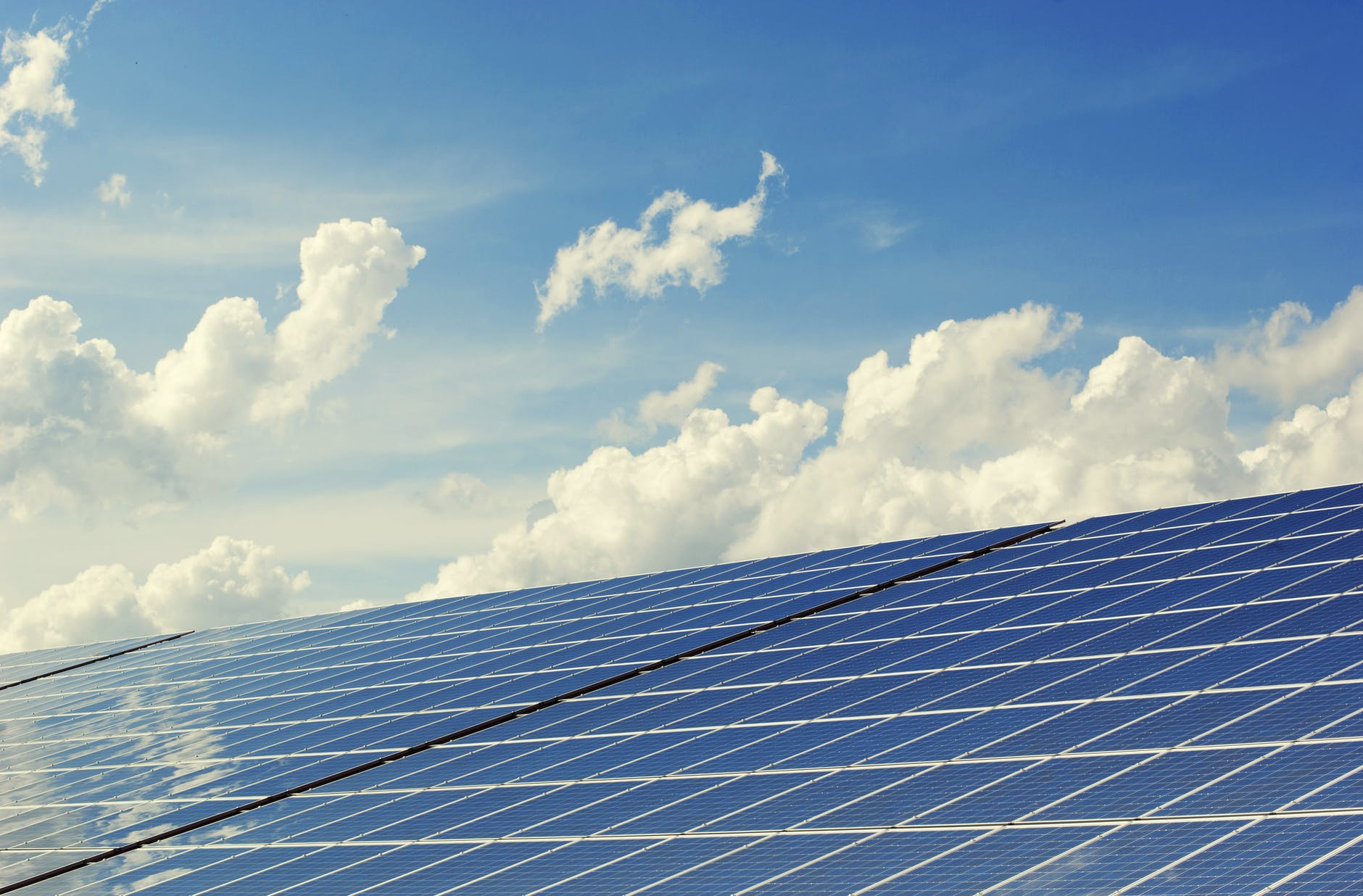
Singapore’s efforts to expand solar energy adoption are encountering notable challenges in private residential developments, particularly condominiums. While the country has set ambitious sustainability targets and aims to increase its solar capacity, many Management Corporation Strata Titles (MCSTs) are struggling to balance environmental goals with financial, structural, and administrative realities.
A key obstacle is the high upfront cost of installing solar photovoltaic systems. Although these systems can deliver long-term savings on electricity bills, the initial investment for equipment and installation is significant. For most condominiums, such expenses must be drawn from management funds, which are typically reserved for essential maintenance works like repainting or lift upgrades. As a result, convincing residents to approve a large expenditure—especially one that may take several years to recover—remains a difficult task for management committees.
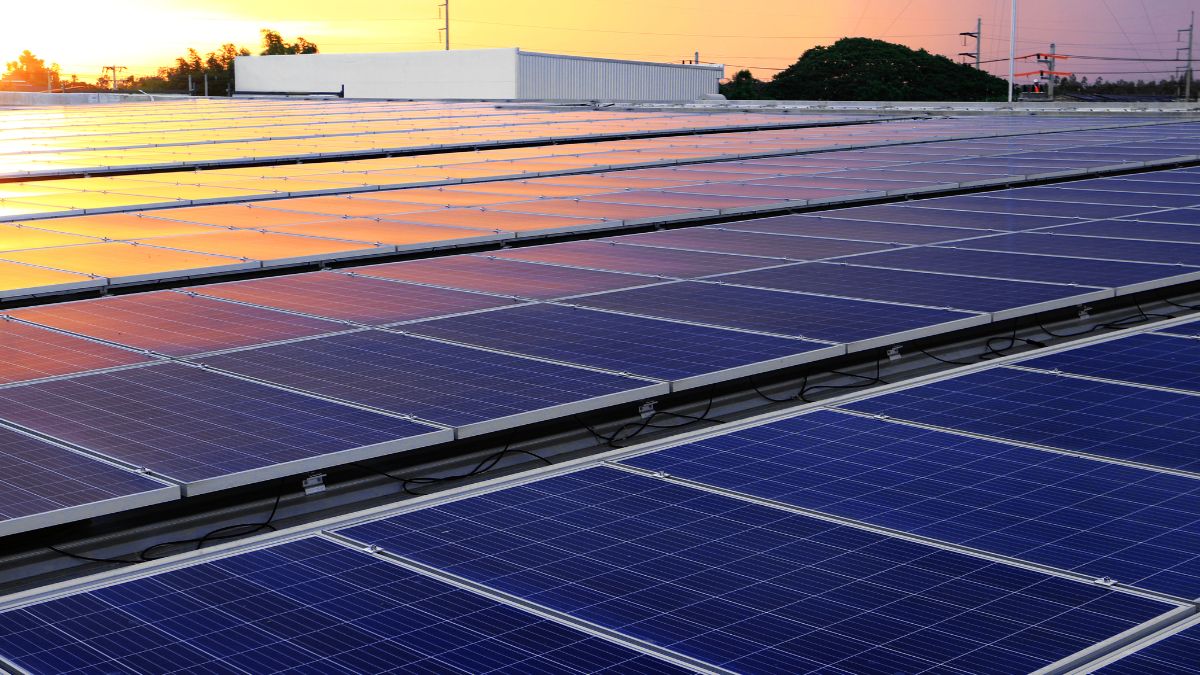
In addition to financial concerns, building design also limits the feasibility of solar installations. Many private condominiums do not have the flat rooftops that are ideal for solar panels. Instead, they often feature pitched roofs, rooftop gardens, swimming pools, or recreational spaces that reduce usable surface area. Furthermore, shading from nearby high-rise buildings can significantly impact the efficiency of solar systems, lowering their overall return on investment.
Administrative challenges further complicate the process. Current regulations typically require a Special Resolution to proceed with solar installations, meaning at least 75% of residents must agree. Achieving such a high level of consensus is often difficult, as residents may have differing priorities or concerns. Some worry about the visual impact of solar panels on the building’s appearance, while others are cautious about potential maintenance risks, such as water leakage.
To overcome these barriers, alternative models such as solar leasing are gaining attention. Under these arrangements, third-party providers handle the installation and maintenance costs, supplying electricity to the condominium at a reduced rate. This approach helps eliminate the need for upfront capital and reduces financial risk for residents.
Despite these emerging solutions, industry experts believe stronger government support and clearer regulatory guidelines are needed to accelerate adoption. As Singapore continues its transition toward cleaner energy, addressing these financial, structural, and governance challenges will be essential. Until then, many private condominiums are likely to remain slow in embracing solar energy solutions.
Subscribe to get the latest posts sent to your email.