At the 23rd National Space Science Symposium held in Umiam, senior astronaut Shubhanshu Shukla highlighted how sustainable systems developed for space missions can offer valuable lessons for renewable energy deployment in India’s North Eastern (NE) states.
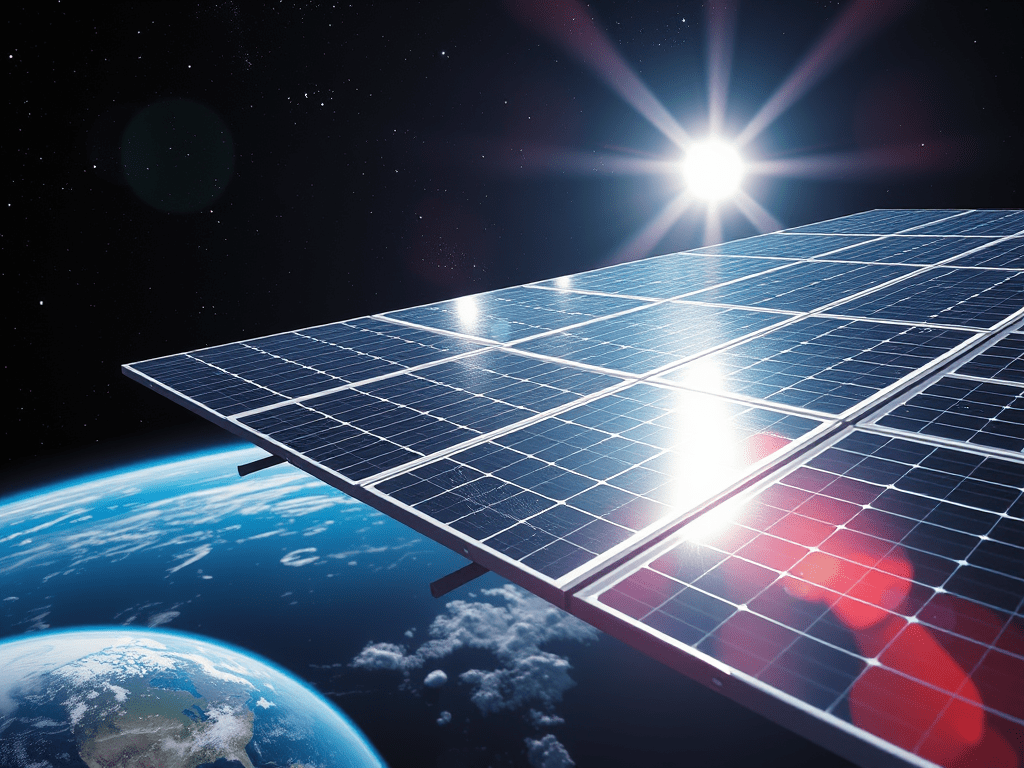
Addressing delegates at the event hosted by the North East Space Applications Centre, Shukla drew parallels between life aboard the International Space Station and energy challenges faced in remote terrestrial regions. He emphasized that the ISS operates almost entirely on solar power, supported by highly efficient energy storage and strict resource recycling protocols — a model of sustainability under extreme constraints.
Shukla noted that such disciplined energy management systems can serve as a blueprint for geographically challenging and grid-deficit areas such as Meghalaya and other NE states. With dispersed populations, difficult terrain, and limited grid connectivity, decentralized solar photovoltaic systems, combined with storage solutions, could significantly improve energy access and resilience.
The symposium also showcased Meghalaya’s ongoing renewable initiatives, including off-grid solar installations for rural households and educational institutions. Officials highlighted subsidy-driven rooftop solar adoption and deployment of solar inverters to strengthen digital learning infrastructure in remote schools.
The interaction underscored a broader theme: technologies designed for survival in space can catalyse sustainable development on Earth. By integrating solar-first energy strategies, storage optimisation, and resource efficiency principles pioneered in space missions, NE states can accelerate their clean energy transition while improving reliability and accessibility.
The event reinforced the growing convergence between India’s space advancements and its renewable energy ambitions.
Subscribe to get the latest posts sent to your email.