Scientists at the Aryabhatta Research Institute of Observational Sciences (ARIES), an autonomous institute under the Department of Science and Technology (DST), Government of India, have identified two critical factors that determine whether powerful solar eruptions escape the Sun and potentially disrupt power grids on Earth.
The findings mark a significant advance in understanding Coronal Mass Ejections (CMEs) — massive bursts of plasma and magnetic fields from the Sun that can trigger geomagnetic storms capable of damaging satellites, interfering with communications, and overloading high-voltage transmission systems.
The research, led by PhD scholar Nitin Vashishtha and scientist Dr. Vaibhav Pant, used advanced magnetohydrodynamic (MHD) simulations to model how electrically conducting plasma interacts with magnetic fields. The team simulated CME formation using the widely accepted “breakout model,” a leading theory explaining how such eruptions are initiated.
The simulations revealed that the Sun’s global magnetic field acts as a restraining “magnetic cage.” When the background magnetic field is strong, it suppresses eruptions, making it harder for a CME to escape. However, when the background field is weaker, eruptions are more likely to break free into space.
This result helps explain a long-standing solar mystery. Although Solar Cycle 24 was magnetically weaker than Solar Cycle 23, it produced a relatively high number of CMEs. The study suggests that the weaker background magnetic field during Solar Cycle 24 lowered the threshold for eruptions, allowing even smaller events to escape.
In a second major finding, the researchers identified a promising forecasting parameter for space weather prediction. The team examined how magnetic twist — known as helicity — builds up in the solar corona. By tracking Absolute Net Current Helicity (ANCH), along with other magnetic parameters such as magnetic energy and Total Unsigned Current Helicity (TUCH), they found that the rate at which ANCH increases is the most reliable indicator of an impending eruption.
A slow, gradual increase in ANCH resulted in failed eruptions, where magnetic structures formed but collapsed back to the solar surface. In contrast, a rapid and steep increase consistently preceded successful CMEs. In scenarios with the fastest ANCH injection, simulations produced multiple successive eruptions from the same region.
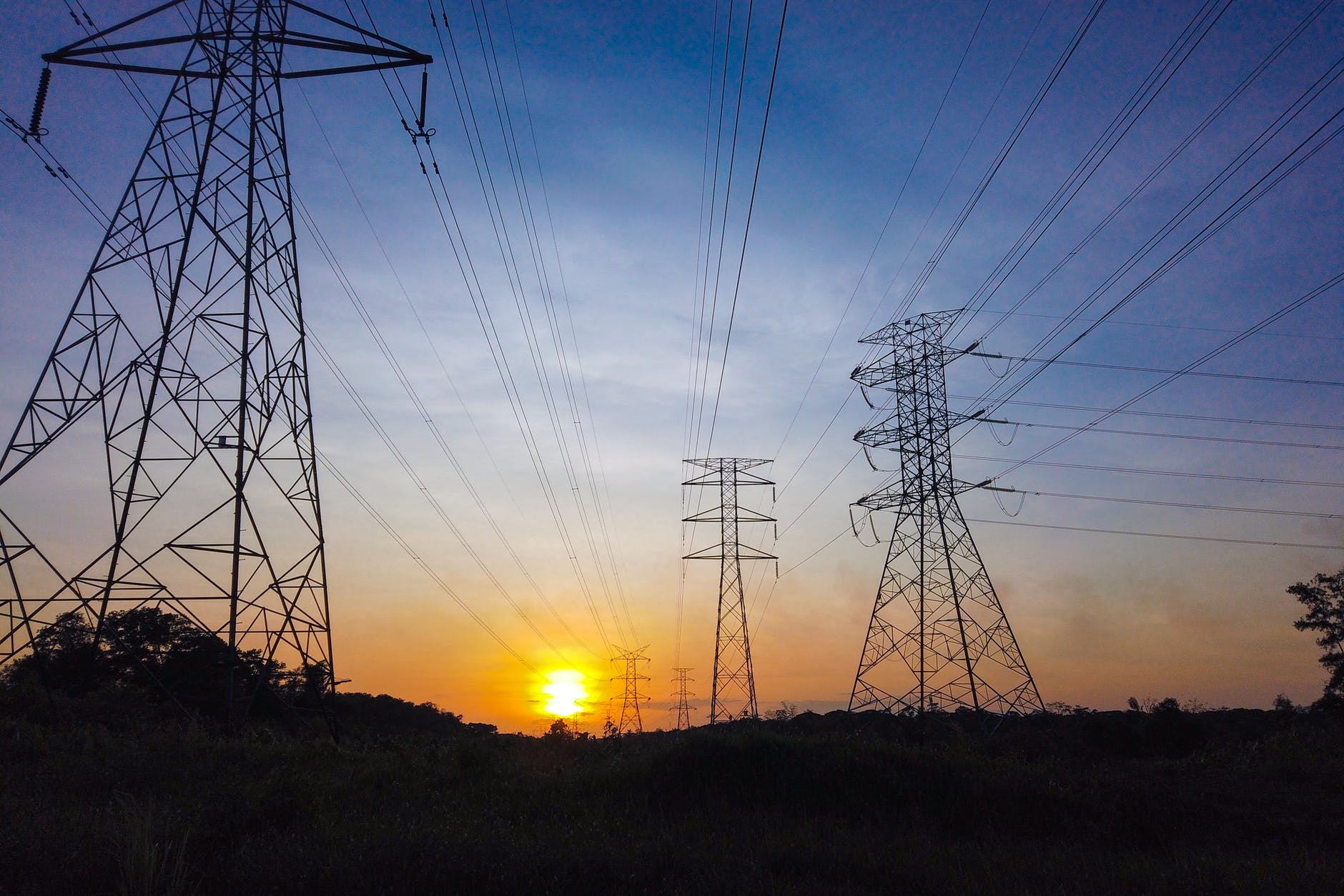
Geomagnetic storms caused by CMEs can induce powerful electric currents in Earth’s magnetosphere, posing serious risks to power grids by overloading transformers and disrupting transmission networks. Improved forecasting tools could allow grid operators and satellite agencies to take preventive measures before a major solar storm strikes.
Dr. Vaibhav Pant said the simulations serve as a “virtual laboratory” for understanding the physics of solar eruptions. He added that the next step is translating these findings — particularly the importance of the energy build-up rate — into operational tools for real-world space weather forecasting to help safeguard critical infrastructure.
Subscribe to get the latest posts sent to your email.