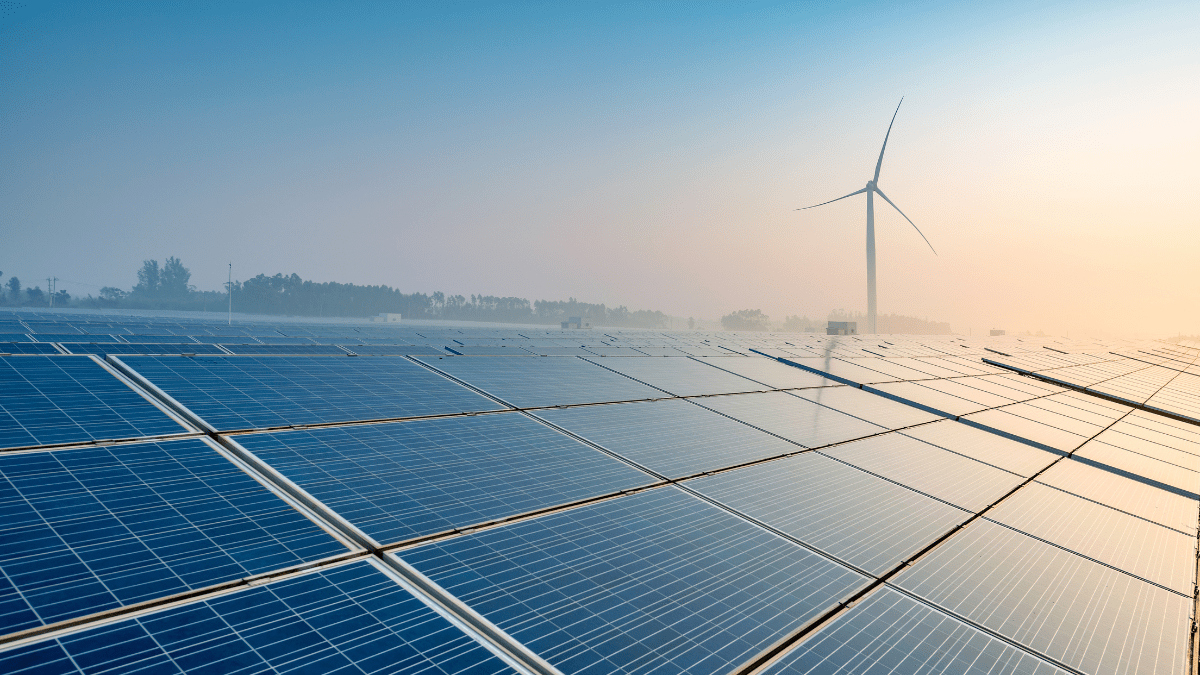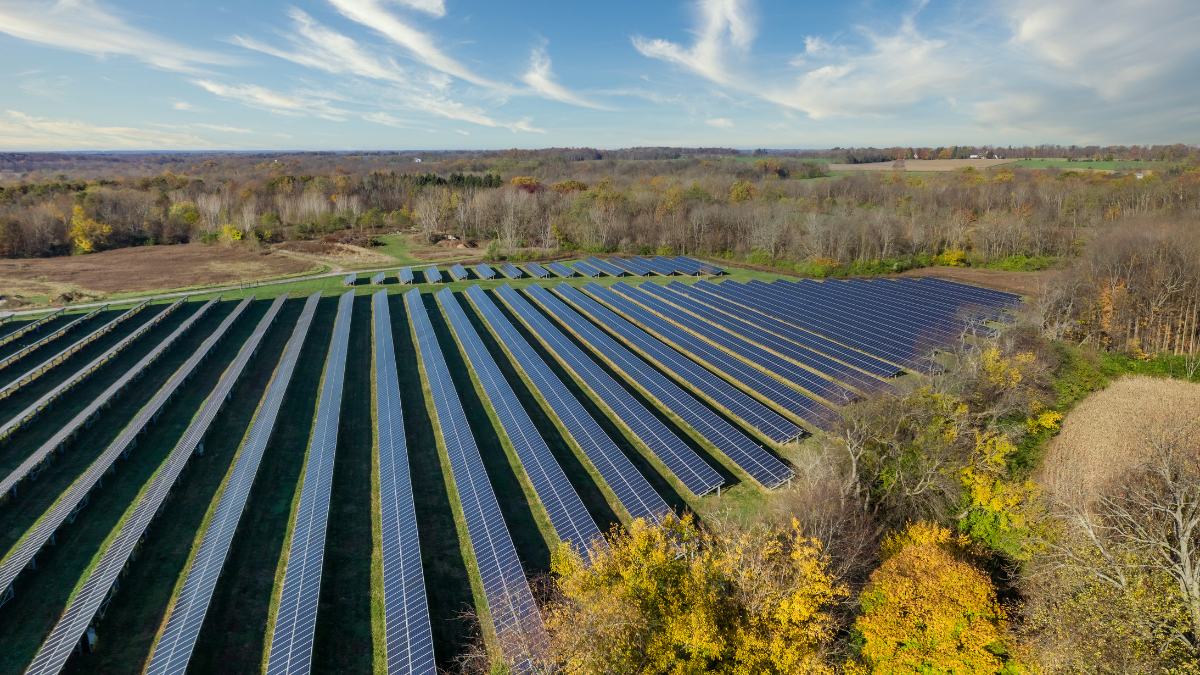
The European Commission recently published the Clean Industrial Deal, which included the Clean Industrial Deal Communication, the Affordable Energy Action Plan, and the ‘Omnibus packages.’ The Clean Industrial Deal included measures to unite climate action and competitiveness under a single economic and industrial growth agenda. The Commission confirmed that the plan was set to support energy-intensive industries and clean tech manufacturing by driving renewables, electrification, grids, and storage.
Walburga Hemetsberger, CEO of SolarPower Europe, commented that the Clean Industrial Deal effectively sets electrification as a key pillar for industrial competitiveness and decarbonization, with a new 32% electrification target by 2030. She emphasized that this target should be seen as a baseline, not a limit, highlighting that many energy uses are ripe for electrification.
However, dedicated financial support for electrification needs to materialize. The new Industrial Decarbonisation Bank risks placing electrification in competition with gas-dependent solutions that may appear beneficial but fail to capture the undeniable advantages of electrification. Flexible, renewable-based electrification has the potential to reduce day-ahead energy prices by 25% by 2030. Investment in electrification must take priority over short-term fossil-based solutions.
The success of the competitiveness agenda heavily depends on getting the upcoming Grids Package right. It should be expanded into a Grids and Storage Package, as battery storage offers a direct path to lower, more stable energy prices. Europe’s battery storage strategy needs to be developed to ensure long-term energy stability and price reduction.
SolarPower Europe welcomes the publication of measures that provide a boost for European solar manufacturers. The emphasis on preferring EU-made products in public procurement is expected to strengthen the Net-Zero Industry Act, though financing support for building and operating factories is crucial. We urge for better rewards for EU products in procurement, while avoiding unnecessary barriers to solar deployment.
The Affordable Energy Action Plan has the right framing, focus and sequence of actions points, starting with freeing electricity bills from unnecessary taxes and levies, and then making electricity structurally cheaper by boosting grids, flexibility and faster RES permitting. The plan is right, time to action. SolarPower Europe do caution against plans to finance more LNG infrastructure, and any expectations that this would help reduce fossil fuel price volatility.
SolarPower Europe supports the alignment of scope and obligations between the CSRD and CSDDD under the Omnibus packages, provided it does not dilute regulatory objectives. Simplification should not equate to deregulation. We are pleased that Multi-Stakeholder Initiatives continue to play a central role in the CSDDD and should be aligned with the Forced Labour Regulation and other relevant due diligence legislation. These initiatives will be crucial for compliance in the future.