By
46 min ago 2 min read
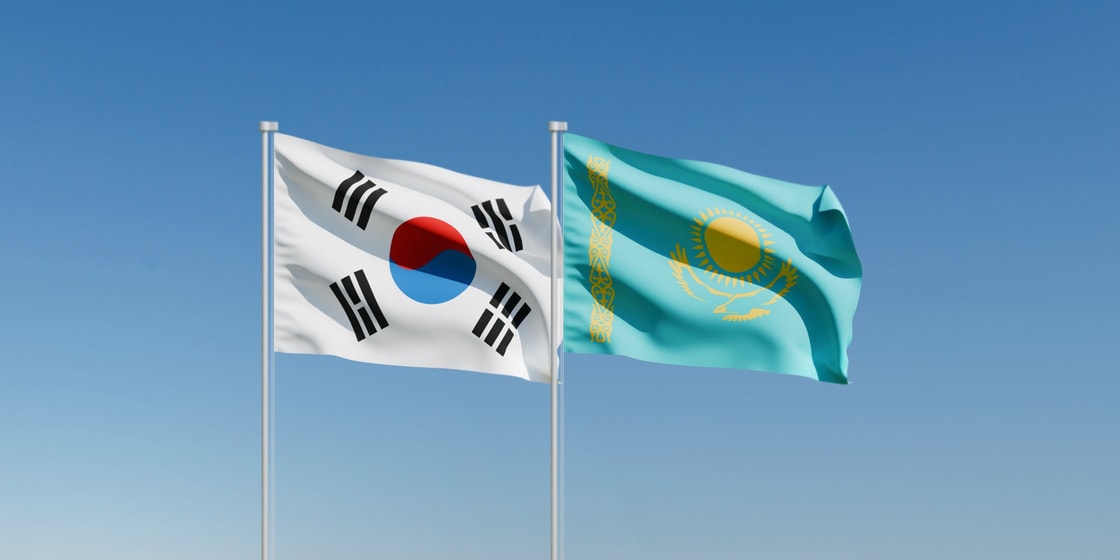
Kazakhstan and South Korea could collaborate on a $2bn green energy project in eastern Kazakhstan with a capacity to produce 55,000 tonnes of green hydrogen per year.
The trio of Kazakhstan’s Ministry of Energy, the regional government of East Kazakhstan, and South Korea’s YPP Corporation signed a memorandum of understanding (MOU) surrounding the prospective project and further “promising areas of cooperation.”
The Green Energy Complex would be powered by around 1GW of renewable energy assets, half that of when YPP initially a $3.1bn investment in the project last July.
In April, Kazakhstan began a , aiming to deploy 10GW of renewable energy capacity by 2035.
While the country boasts long-term green hydrogen production potential, underpinned by strong wind and solar resources, it is currently almost entirely reliant on fossil fuels, with coal, oil, and natural gas providing roughly 99% of its energy needs.
The Green Energy Complex, and German-based Svevind’s $50bn project comprise progressive signals, but a broader hydrogen ecosystem would rely on infrastructure investments to update a largely outdated energy system.
Such an early-stage hydrogen build-out could benefit from South Korean expertise, with the country’s momentum seeing significant investment across research and development, production, transport infrastructure, and mobility.
Never miss a hydrogen headline
Hydrogen moves fast – stay on top of it with our daily and weekly briefings.
- Daily: The top five hydrogen stories, straight to your inbox
- Weekly: The week’s biggest news, features, interviews and analysis
- North American Bulletin: Dedicated coverage of the region’s key hydrogen developments