Southeast Asian countries are beginning to see that strong climate action is no longer only about protecting the environment. It is now closely linked to economic strength and future growth. Recent policy moves in Malaysia, Thailand, and Indonesia show a clear shift in thinking. Governments across the region are starting to treat clean energy as a necessity for staying competitive in a fast-changing global economy.
Malaysia has announced its first absolute emissions reduction target, marking a major step away from earlier intensity-based goals. Thailand has brought forward its net-zero target to 2050, while Indonesia has said it aims to reach net zero by 2060 or even earlier. These announcements signal growing political intent, but experts say the real test lies in delivery. The power sector, which is one of the largest sources of emissions in the region, will determine whether these goals succeed or fail.
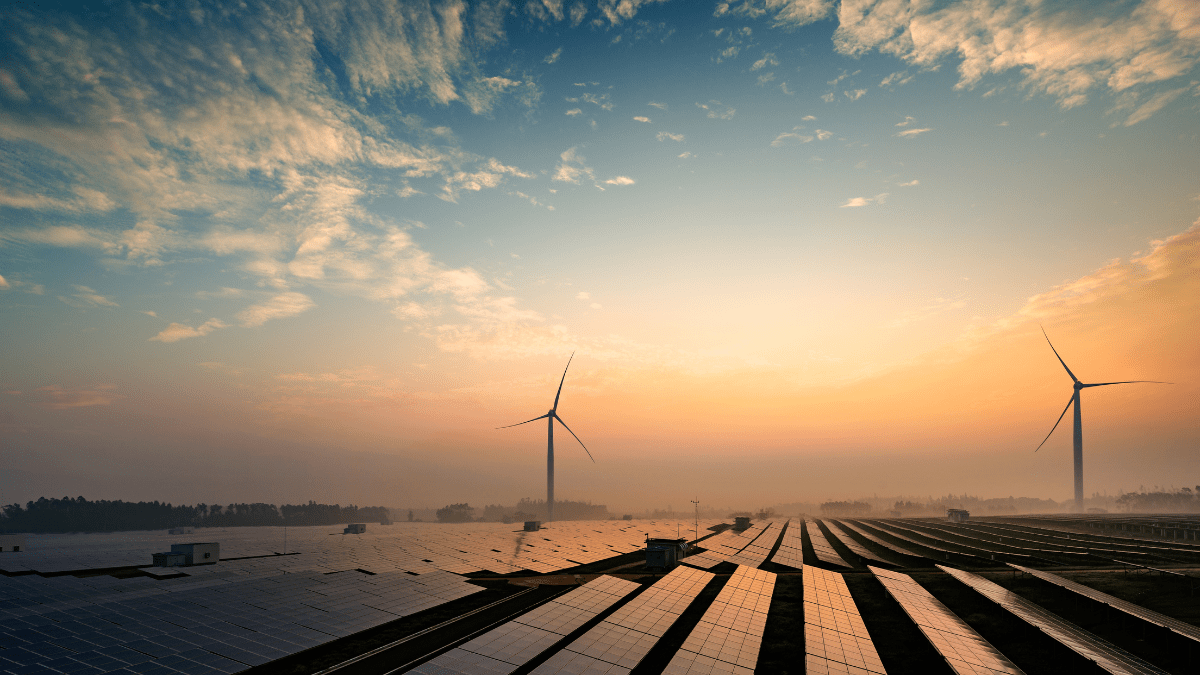
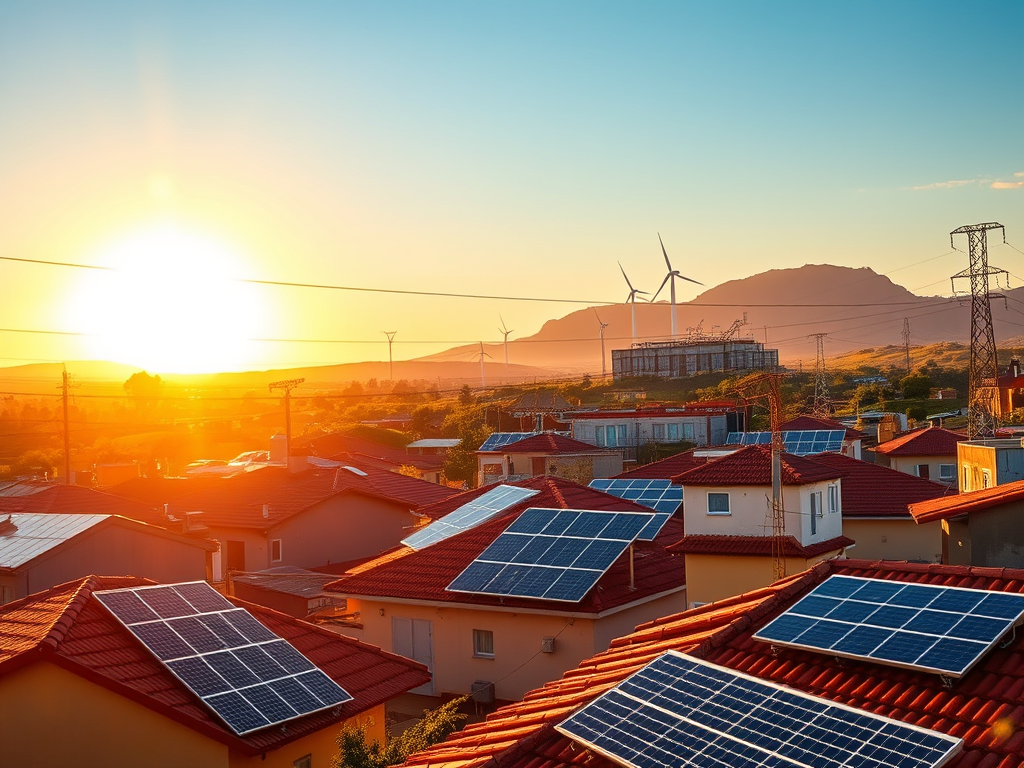
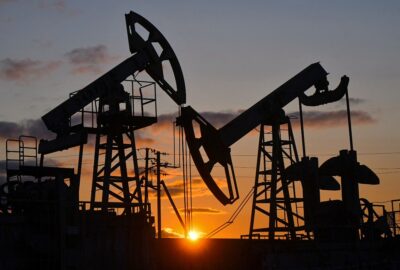
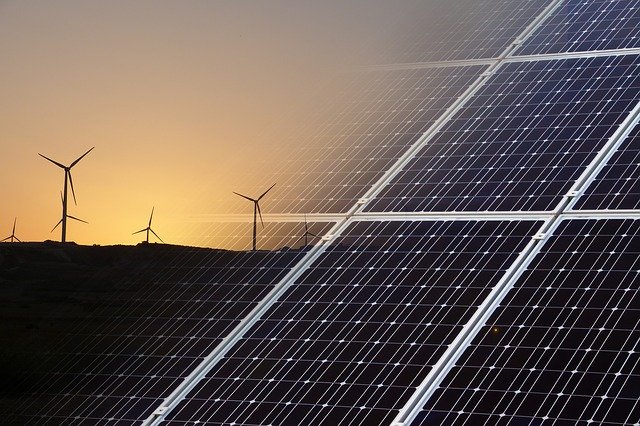
To turn pledges into results, Southeast Asia needs deep reforms in power markets and infrastructure. This includes modernizing electricity grids so they can handle large amounts of solar and wind power. It also means creating market rules that support flexibility, energy storage, and demand management. Simply adding renewable energy on top of a system that still depends heavily on coal and gas will not be enough. The region must begin a planned move away from fossil fuels rather than extending its role.
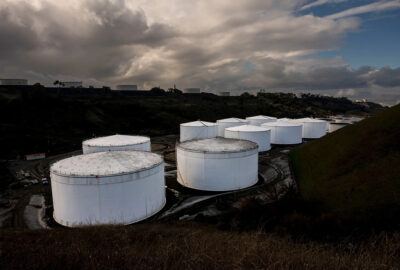
The risks of staying with the old energy model are growing. Heavy dependence on coal and gas exposes countries to fuel price swings, higher import bills, and rising public debt. At the same time, climate impacts such as floods, heatwaves, and droughts are already affecting productivity, agriculture, and infrastructure. Recovery costs after extreme weather events are increasing, placing further pressure on national budgets.
China’s recent experience offers lessons for Southeast Asia. Although China still uses large amounts of coal, it has rapidly expanded wind and solar power. In recent years, clean energy has met most of its new electricity demand. Chinese policymakers viewed clean energy not as a cost, but as a way to strengthen energy security and support industrial growth. By building new clean systems first and using coal as a short-term backup, China reduced risks while accelerating change.
For Southeast Asia, the choice is becoming urgent. Continuing to rely on fossil fuels while slowly adding renewables will raise long-term costs and risks. Delaying reforms may seem easier in the short term, especially when governments face inflation, debt, and social pressures. However, experts warn that delaying climate action only makes the transition more expensive later.
A faster shift to clean energy can support long-term economic growth. Low-cost renewable power can attract investment, support advanced manufacturing, and create jobs in sectors such as electric vehicles and battery storage. By treating climate action as an economic opportunity, Southeast Asia can build a stronger and more resilient future in a world that is moving quickly toward low-carbon .
Subscribe to get the latest posts sent to your email.