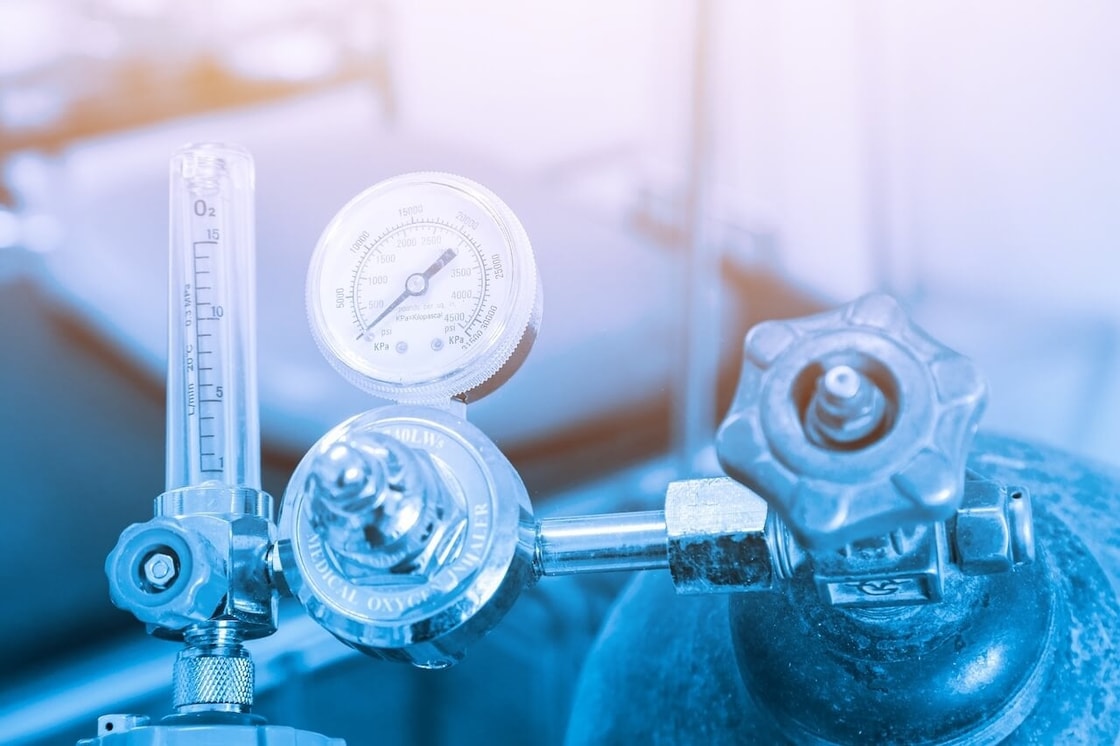
Bottled gas is an internationally popular energy source for cooking and heating and for barbeques. The fuel stored in the pressurised cylinder is liquefied petroleum gas (LPG).
LPG is a mixture of propane and butane which can be recovered as a condensate (referred to as natural gas liquids, or NGL) during liquefied natural gas processing. It is also produced on crude oil refineries as a light product for regional distribution in bulk, or as bottled gas.
The popularity of LPG has grown because it is perceived as a relatively clean fuel. It burns with a clean flame with minimal particulate pollution. It is also transportable to remote regions where natural gas pipelines do not run and never will. However, as a fossil fuel LPG produces carbon dioxide greenhouse gas emissions and therefore contributes to climate change.
… to continue reading this article and more, please login, register for free, or consider subscribing to gasworld