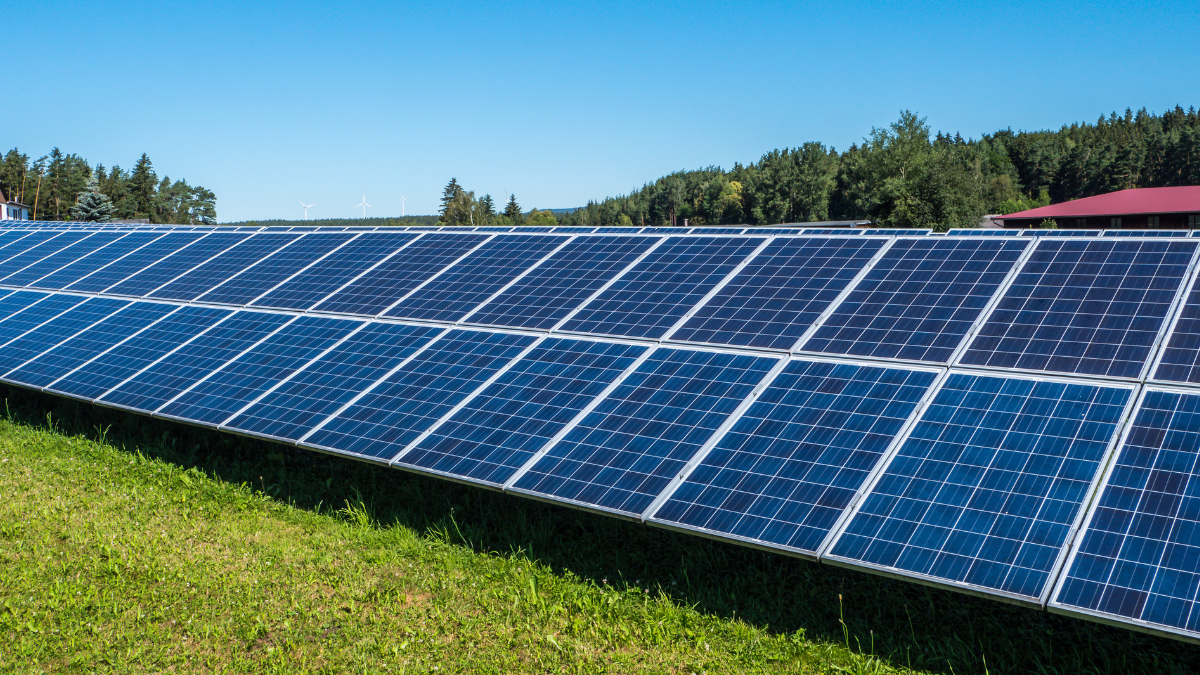
From June 11 to 13, the 18th International Solar Photovoltaic and Smart Energy Conference & Exhibition (SNEC PV+ 2025) took place at the National Exhibition and Convention Center in Shanghai. TCL Solar participated in the event by showcasing its latest innovations in solar technology, including next-generation back-contact (BC) modules, high-efficiency BC and TOPCon modules, and parent company TCL Zhonghuan’s advanced 210mm monocrystalline silicon ingots and wafers.
TCL Solar’s newly exhibited BC modules reached a peak power output of 680 watts and an efficiency of 25.2%. The TOPCon modules presented at the event delivered up to 750 watts with 24.14% efficiency. The company explained that, with ongoing improvements in metallization techniques, passivation layers, and module packaging, the cost of BC modules is expected to become increasingly competitive with TOPCon technology. In addition, TCL Solar aims to push bifaciality of BC modules beyond 80% while continuing to increase efficiency beyond 25%.
Alongside its performance-focused modules, TCL Solar introduced new lightweight “concept” modules and launched an anti-dust shingled module series—developed based on customer needs and field feedback. These new modules were created in collaboration with Lens Technology and are designed to provide reliable performance and high energy yields, even in challenging environmental conditions. On June 12, a TCL Solar representative offered a detailed overview of the company’s full product line at the “Application Value Analysis of Distributed Solar Products in China” forum, highlighting key product features and use-case advantages.
Since late 2024, TCL Solar has focused on upgrading its core technologies, manufacturing processes, and branding strategy, and has expanded its product portfolio to include BC, TOPCon, half-cut, and shingled modules. These efforts aim to offer high-performing, dependable, and cost-effective solutions for a broad range of customer applications. During the exhibition, TCL Solar also announced several major quality certifications.
The company became the first in China to earn low-temperature dual certification for performance stability (less than 0.5% power degradation at -40°C), and it received TÜV Rheinland’s global certification for N-type BC modules. These certifications confirm the modules’ durability and efficiency in extreme conditions. Other approvals included UK MCS, Japan JAPC, Colombia RETIE, and Dubai DEWA certifications, supporting TCL Solar’s international expansion efforts through a strategy that combines global certifications with localized solutions.
TCL Solar’s BC modules demonstrated strong performance features including a low temperature coefficient of -0.26% per degree Celsius, 10% higher shading tolerance, and an annual power degradation rate of just 0.35%, reinforcing the company’s focus on long-term reliability and value. TCL Solar continues to play a leading role in solar innovation, aligning its efforts with China’s dual-carbon goals and promoting zero-carbon transformation throughout the solar industry. Through advanced technology, world-class manufacturing, and strategic global collaboration, the company is helping reduce the levelized cost of electricity (LCOE) and accelerating the shift to sustainable energy solutions around the world.