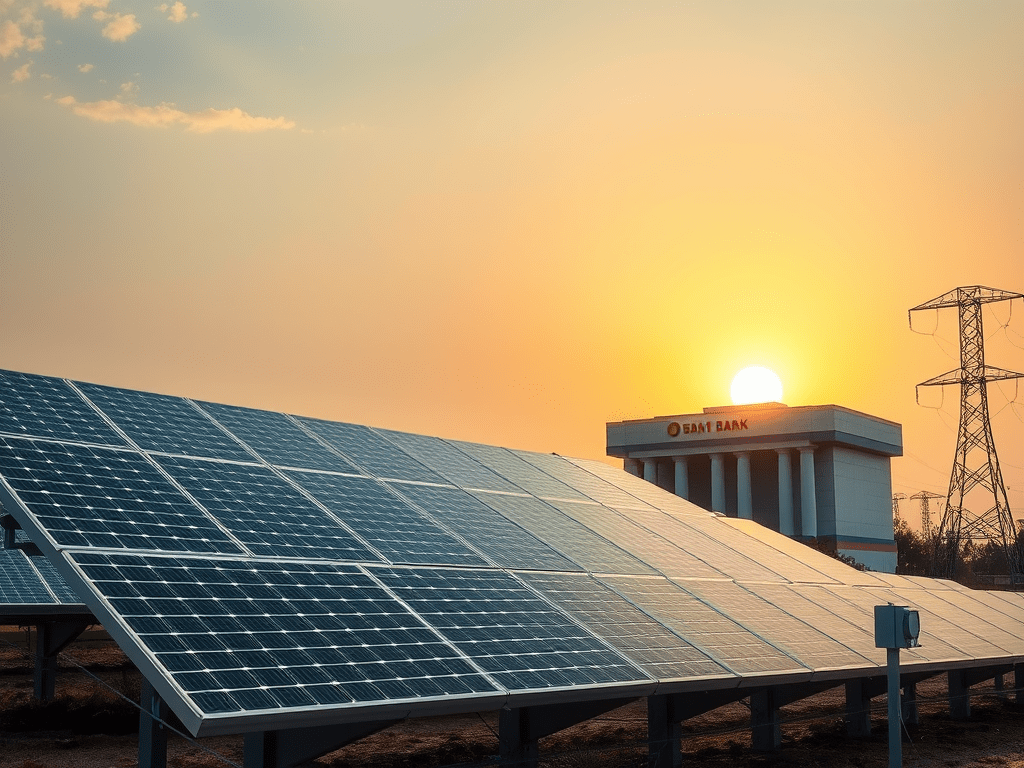
Thailand and Vietnam are moving ahead with major reforms to transform their power sectors, aiming to cut fossil fuel dependence and meet long-term climate goals. Both countries are reshaping their electricity markets to attract private investment and accelerate renewable energy development.
In Vietnam, the government has taken significant steps under its Power Development Plan VIII (PDP8), which outlines a pathway to achieve net-zero emissions by 2050. A key feature of this plan is the introduction of Direct Power Purchase Agreements (DPPA). This mechanism allows renewable energy producers to sell electricity directly to large corporate customers, bypassing the state-owned utility Vietnam Electricity (EVN). The DPPA framework is designed to create a more competitive power market and encourage new solar and wind investments.
Vietnam has also updated its Electricity Law, which came into effect in early 2025. The revised law aims to address long-standing challenges in offshore wind and liquefied natural gas (LNG) projects. By clarifying regulations around electricity pricing and grid access, the government hopes to remove bottlenecks that previously slowed project development. These changes are intended to strengthen energy security while supporting a rapid scale-up of clean energy capacity.
Thailand is following a similar path through its own Power Development Plan, which focuses on increasing flexibility in the power system. The country is working to integrate higher levels of variable renewable energy, such as solar and wind, into its grid. As part of this effort, Thailand is allowing third-party access to the transmission network, reducing the dominance of the state-owned utility Electricity Generating Authority of Thailand (EGAT). This move is expected to encourage competition and private sector participation.
In addition, Thailand is promoting “solar booster” programs and investing in battery energy storage systems to help stabilize the grid as renewable capacity grows. The country is also positioning itself as a regional hub for green technologies, including electric vehicle manufacturing and green hydrogen research.
Despite these advances, both nations face challenges. Large-scale infrastructure upgrades are required to support new energy sources, and managing the transition from centralized, coal-based systems to more diversified grids remains complex. However, the reforms signal a clear shift toward transparent, market-oriented frameworks.
By opening their power sectors to private developers and strengthening legal structures, Thailand and Vietnam are taking decisive steps to secure cleaner and more resilient energy futures, setting an example for other Southeast Asian nations.
Subscribe to get the latest posts sent to your email.