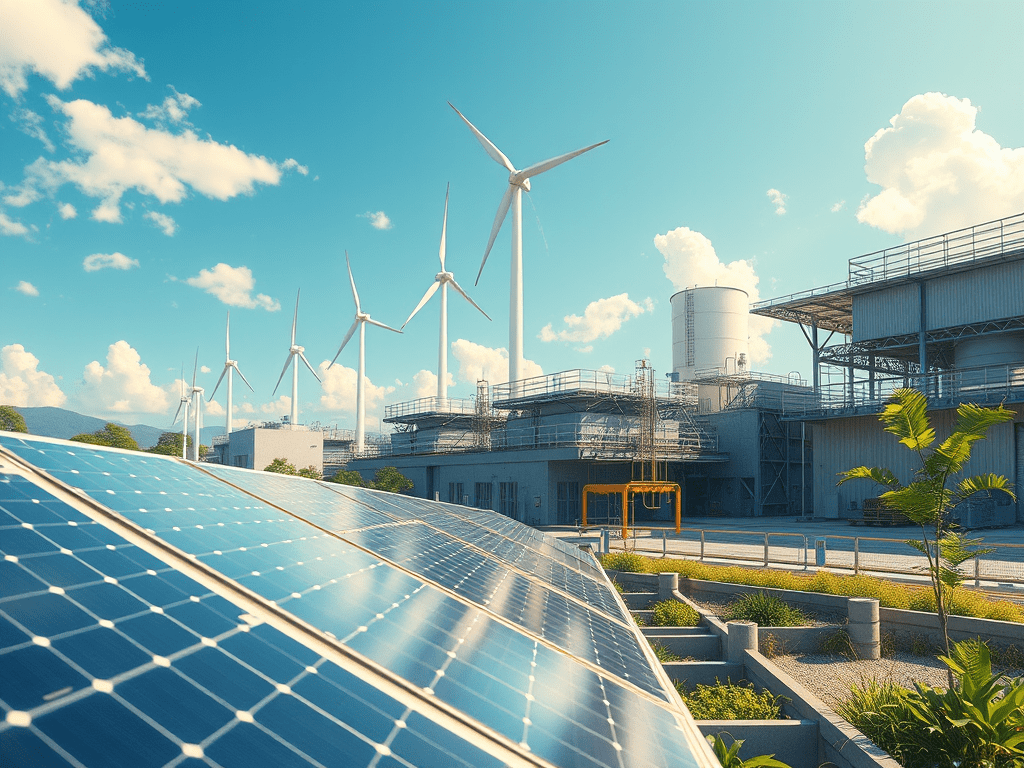
Thailand has taken another important step toward clean energy adoption by launching the second phase of its Utility Green Tariff program, known as UGT2. The initiative has been introduced by the country’s Energy Regulatory Commission to support businesses in accessing reliable and verifiable renewable energy while meeting global sustainability and carbon reduction targets.
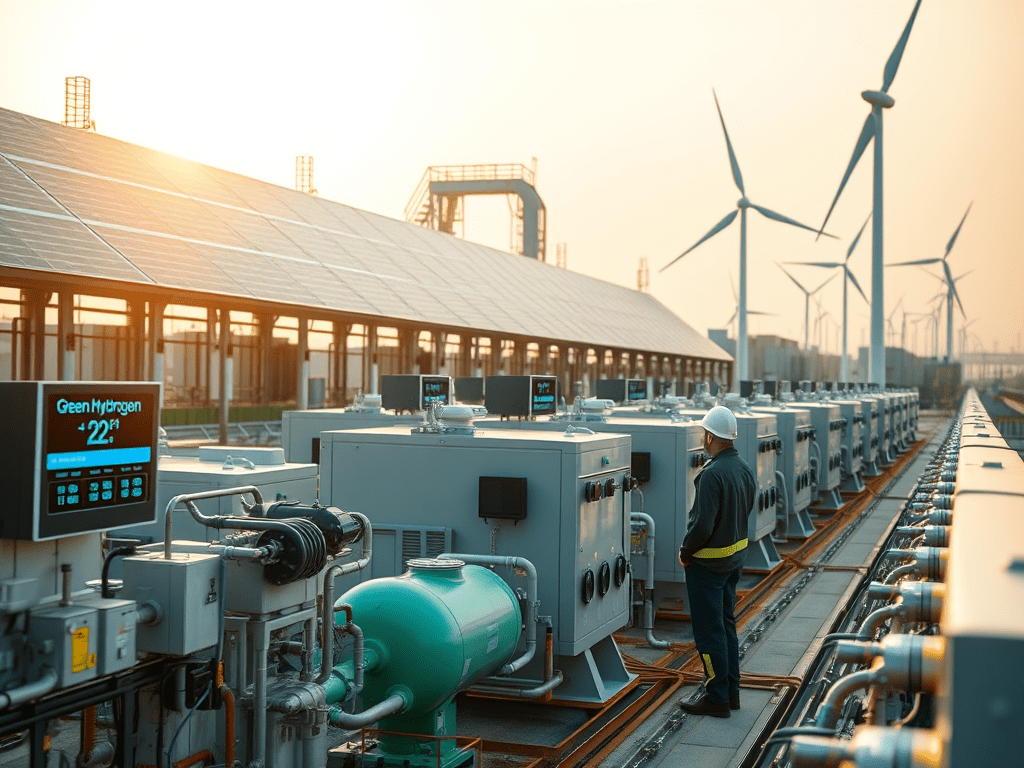
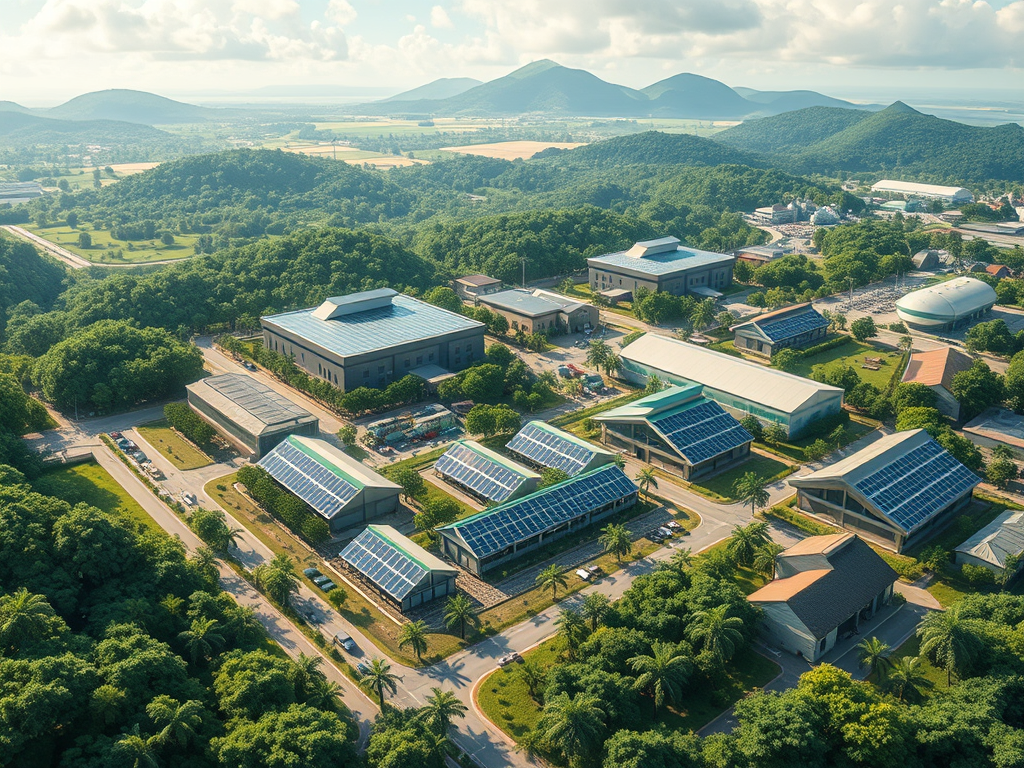
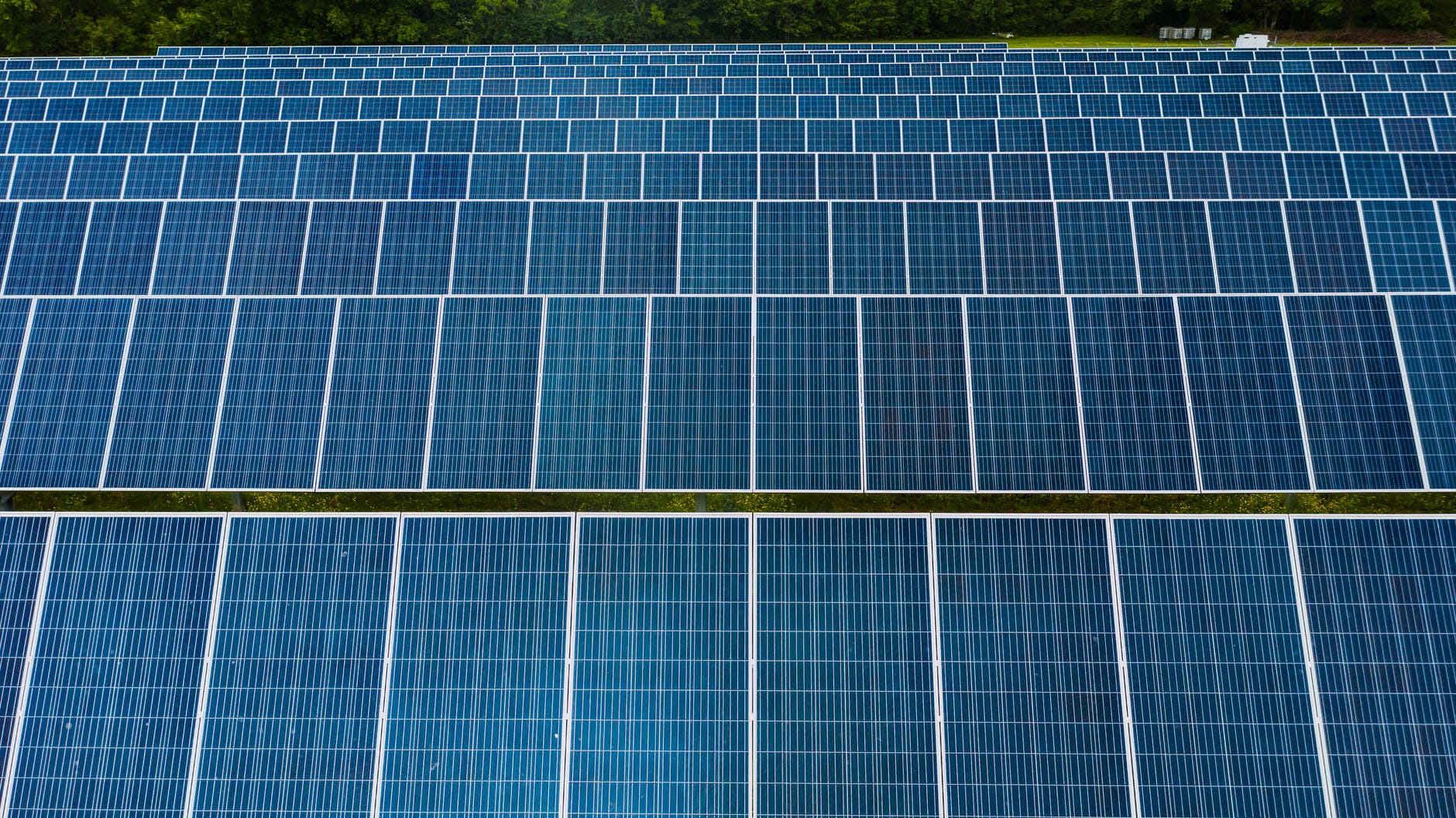
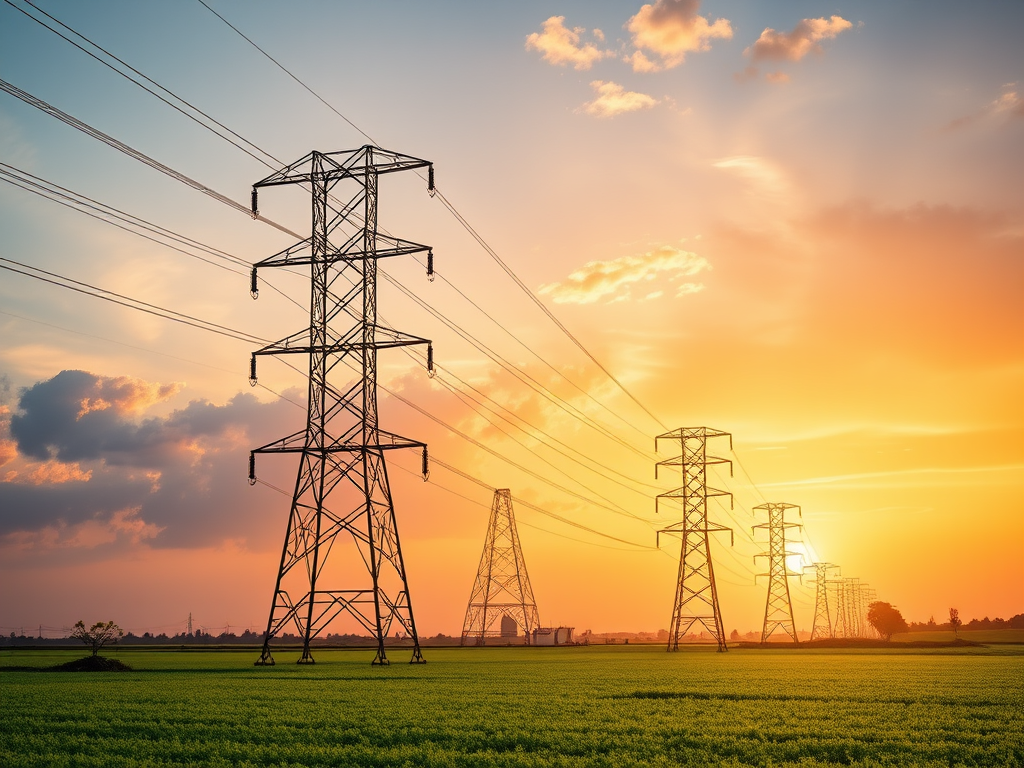
The UGT2 program is mainly designed for large industrial and commercial consumers that need a stable and long-term source of green electricity. Unlike the first phase, which depended on existing renewable energy sources, this new phase focuses on electricity generated from upcoming renewable projects that are expected to start operations between 2024 and 2030. These projects include solar, wind, and biogas energy. This approach ensures that new demand from businesses directly contributes to increasing the overall share of clean energy in the national grid.
A key feature of the UGT2 scheme is the inclusion of Renewable Energy Certificates. Under this bundled system, companies receive not only the physical supply of electricity but also certified proof that the energy comes from renewable sources. This is especially important for multinational companies that are required to report their environmental performance. The certification process follows international standards, ensuring transparency and avoiding any double-counting of green energy benefits.
The pricing for UGT2 has been set at around 4.56 Thai Baht per kilowatt-hour. Although this is slightly higher than conventional electricity generated from fossil fuels, it offers long-term price certainty. Businesses can benefit from stable energy costs and reduced exposure to fluctuations in global fuel prices. The program also provides a fixed contract period of 10 years, which helps companies plan their operations with greater confidence.
Overall, the UGT2 initiative is part of Thailand’s broader strategy to strengthen its position as a competitive manufacturing hub in the region. With global supply chains increasingly focusing on low-carbon production, access to clean energy is becoming a key factor for investment decisions. By enabling businesses to secure green power easily, Thailand is supporting its transition toward a more sustainable and energy-secure future.
Subscribe to get the latest posts sent to your email.