By
22 min ago 3 min read
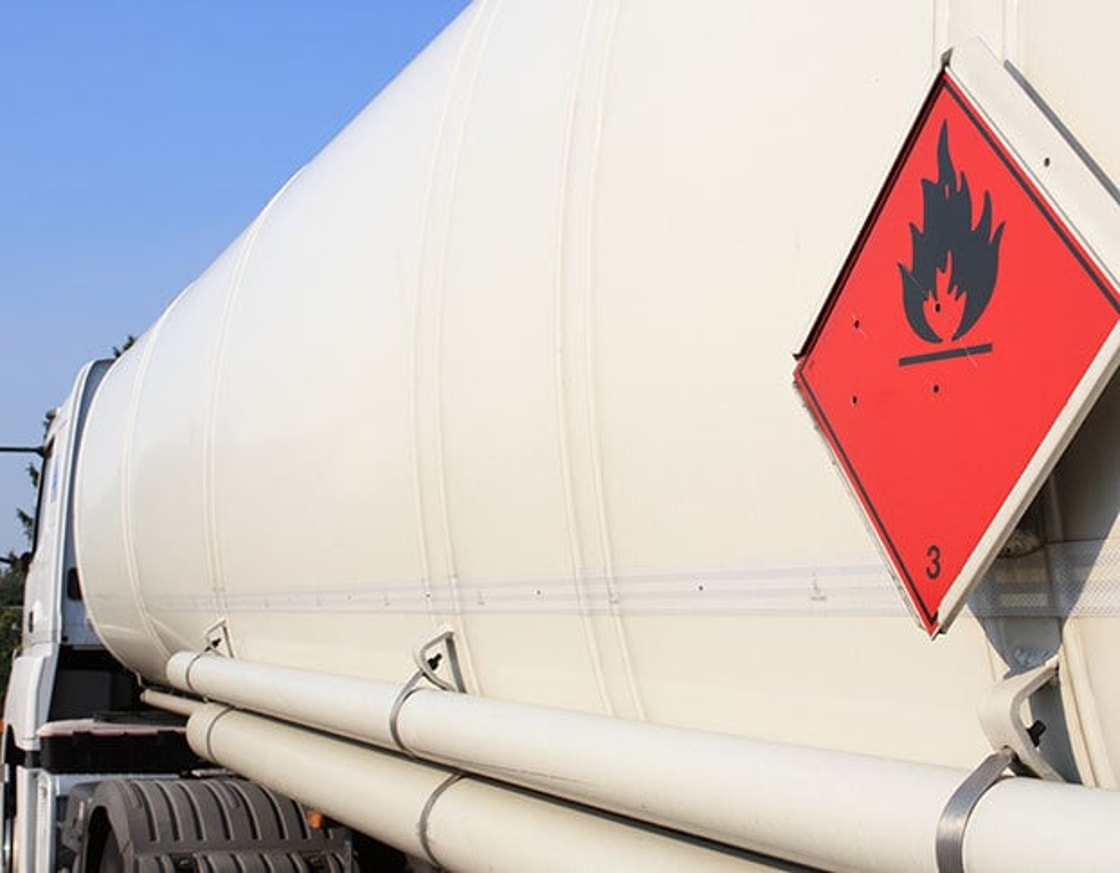
Dangerous goods information is most vulnerable when it passes between parties and systems, according to a new report from Thetius, the specialist research and business intelligence firm.
Declarations, safety data sheets, and later corrections may all exist but often remain separated across emails, PDFs, and operational platforms – meaning the carrier, terminal, and vessel are often working with incomplete or outdated details.
“The current approach to the dangerous goods process is weakest at the points where information changes hands,” it states.
Routine checks can be automated, but qualified specialists must retain control of important decisions, it notes. Technology should support, rather than replace, accountability.
“Implementation should begin with focused pilots, supported by training, clear accountability and measures that show whether risks are being identified earlier.”
Undeclared and misdeclared goods are the leading cause of ship fires, according to the World Shipping Council. In 2024 there were 250 fire incidents.
Lloyd’s Register and OneOcean’s 2026 report on maritime data found that although shipping containers are generating more operational information than ever, much of it remains fragmented.
Compliance and classification provide a baseline, but do not always capture the full operational risk of a cargo.
Cargo outside the formal dangerous goods process might still require special handling, like refrigerated containers or out-of-gauge cargo.
Improving dangerous-goods management is not just a technical challenge, the report adds. It requires organisations to understand where their processes fail, implement improvements in how information is handled, and build more awareness and accountability into processes.
The temptation might be “to throw AI at it” and while it may be a helpful tool, the challenge is more complex.
Tom Bebbington, Industry Engagement & Strategic Partnerships Lead at Tigris Systems, said, “There do need to be some fairly massive changes in data sharing and data quality – and systems that talk to each other, for a start. You still need expertise to understand what AI is telling you.”
Entries to the gasworld Global Innovation Awards close on 8 September with shortlists announced a month later. This year’s awards include three AI categories covering Innovation, Operational Excellence and Best Use of AI. The Awards Ceremony will be held at the Global Industrial Gas Conference in Budapest on 2 December. For more details, and to submit your corporate entry, click .