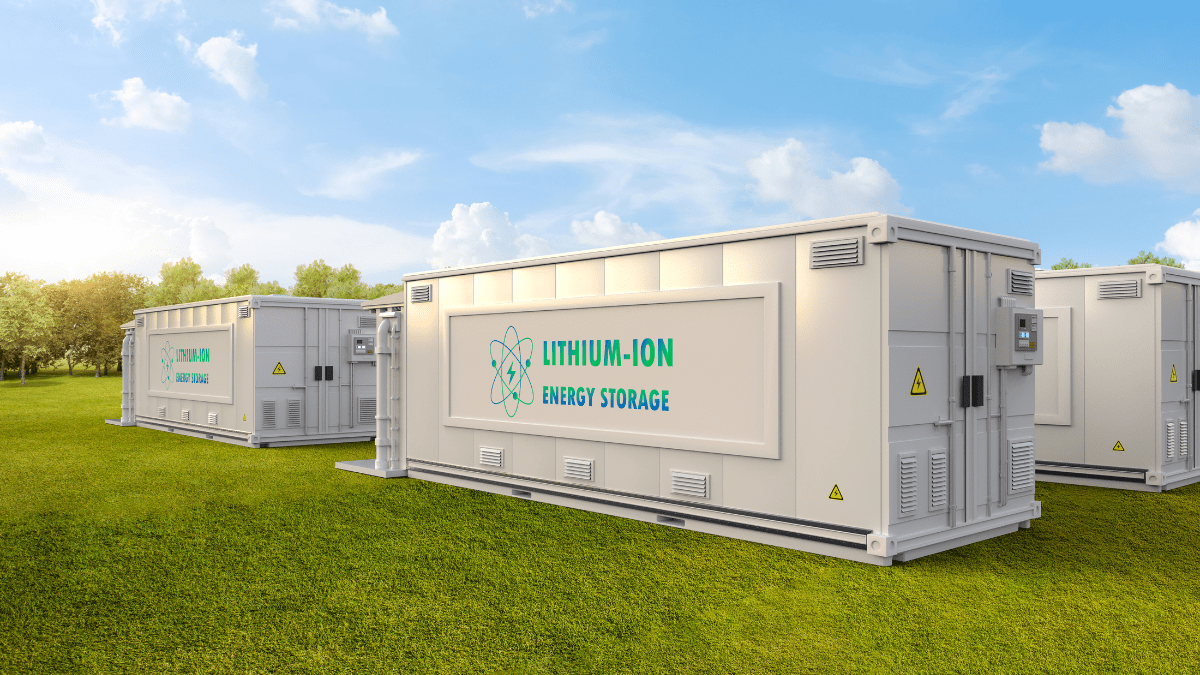
The Tamil Nadu Electricity Regulatory Commission (TNERC) has released a draft notification introducing the Battery Energy Storage Systems (BESS) Regulations, 2026, aiming to establish a structured regulatory framework for the large-scale adoption of battery storage across the state. The proposed regulations are designed to support Tamil Nadu’s growing renewable energy sector by improving grid stability, managing peak demand, reducing network congestion, and enabling smoother integration of solar and wind power into the electricity system.
The draft guidelines outline multiple operational models for battery energy storage systems. These include standalone grid-connected projects, storage systems co-located with power generation plants, installations embedded within distribution networks, and Behind-the-Meter (BTM) systems used directly by consumers and prosumers. To ensure effective management of grid-scale projects and avoid fragmentation into very small units, TNERC has set a minimum capacity requirement of 1 MW for standard grid-connected storage systems. However, the regulations also provide flexibility by allowing smaller systems starting from 125 kW in specific cases such as distribution transformer-level applications, community energy projects, agricultural usage, and targeted solar integration programs.
The procurement structure under the draft regulations focuses on transparency and competition. Most projects will be awarded through a competitive bidding process to ensure cost efficiency and protect consumer interests. At the same time, TNERC retains the authority to determine fixed tariffs for certain projects, particularly those integrated with regulated infrastructure. The framework also introduces detailed financial and operational parameters, including storage capacity charges, expectations for round-trip efficiency, limits on auxiliary consumption, and provisions for managing battery degradation over time.
A key feature of the draft is the integration of battery storage systems into active grid operations and electricity markets. Operators will be required to submit day-ahead forecasts of available capacity and state-of-charge information to the State Load Despatch Centre, which will manage real-time grid coordination. Large-scale storage projects will also be allowed to participate in ancillary services such as frequency regulation and voltage support, helping maintain overall grid reliability. To support these functions, the regulations impose strict requirements related to technical standards, real-time data communication, and cybersecurity measures for all connected systems.
Safety and environmental responsibility form an important part of the proposed framework. Developers and system owners will need to follow certified safety standards and implement strong fire detection and prevention systems. The regulations also place responsibility on battery owners for proper end-of-life management, including safe disposal, recycling, or approved second-life applications of battery components. This ensures that environmental risks associated with large-scale battery deployment are properly addressed.
For residential and commercial users, the Behind-the-Meter segment provides greater flexibility, allowing consumers to install storage systems based on their individual energy needs without a fixed minimum capacity requirement. These systems are primarily intended for self-consumption, but users will be permitted to export surplus electricity to the grid under valid net-metering arrangements. This provision is expected to encourage wider adoption of small-scale storage solutions among households, businesses, and institutions.
The TNERC has invited public comments and stakeholder feedback on the draft regulations before finalizing the official notification. This step marks an important move in Tamil Nadu’s broader strategy to modernize its electricity infrastructure and accelerate the transition toward a cleaner, more resilient, and renewable energy-based power system.
Subscribe to get the latest posts sent to your email.