

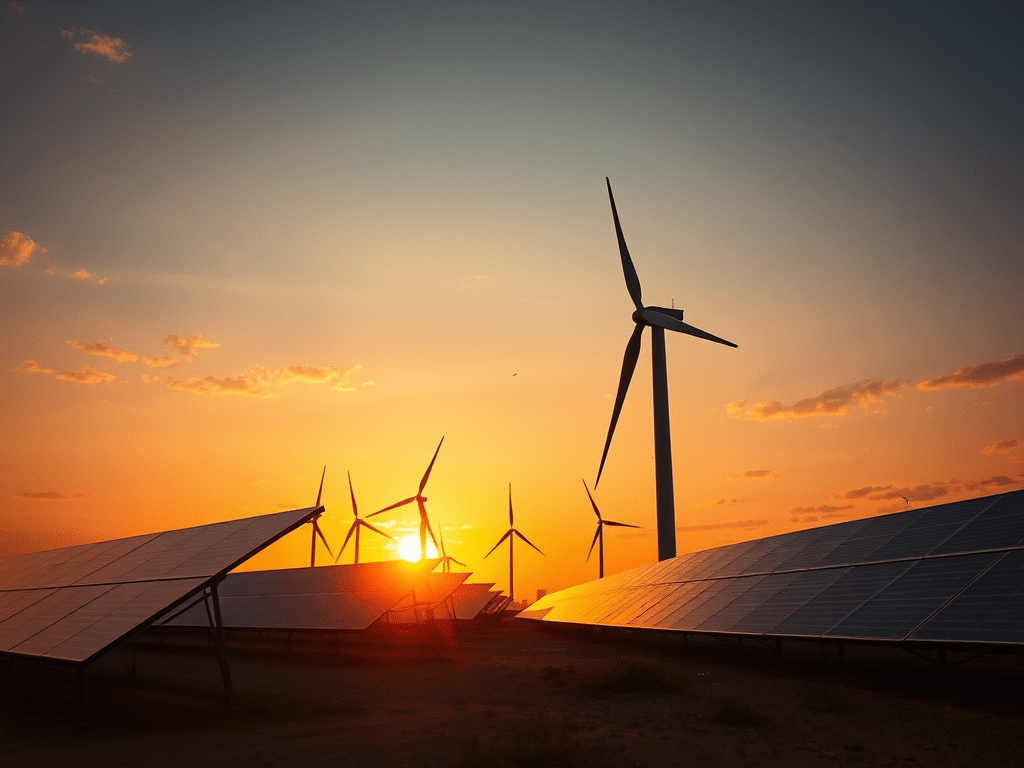
BERC has approved procurement of 450 MW of Firm and Dispatchable Renewable Energy (FDRE) to secure 1,800 MWh of peak power supply for Bihar. The move strengthens reliability during high-demand hours and supports cleaner peak management through structured renewable-plus solutions.
Odisha has signed ₹67,000 crore MoUs to develop 6.8 GW of renewable capacity, including solar, wind, and pumped storage projects. The agreements, executed via GRIDCO with leading developers, signal strong investor momentum and faster clean energy scale-up in the state.
Uttar Pradesh’s FY27 budget allocates ₹2,104 crore for solar, bio-energy, and green hydrogen while setting a 22,000 MW clean energy target. The funding aims to accelerate project development, strengthen energy security, and support industrial decarbonization initiatives across the state.
NHPC has invited bids worth ₹102.56 crore for civil works at the 1,200 MW Bundelkhand Solar Park in Uttar Pradesh. The tender supports core infrastructure development, enabling faster execution and strengthening India’s pipeline of large-scale utility solar capacity.
Vikram Solar has signed a ₹3,200 crore working capital consortium led by Indian Bank. The financing is expected to enhance liquidity, support manufacturing operations, and strengthen execution capabilities as the company expands across module production and large domestic and export markets.
A new nuclear-focused subsidiary has been incorporated to explore nuclear power opportunities, indicating a long-term low-carbon diversification move. The step positions the group for potential policy-led openings in India’s nuclear sector, complementing existing thermal and renewable energy ambitions.
GREW Solar has raised ₹1,050 crore led by Bay Capital to accelerate expansion and integration. The funding will help scale its solar cell manufacturing plans from 3 GW to 8 GW, strengthening domestic supply chains and supporting India’s Make in India renewable manufacturing push.
AB Energia has secured a 15 MWp solar EPC project in Uttar Pradesh from Avener Green. The award adds to regional utility and C&I momentum, reflecting continued demand for turnkey engineering, procurement, and construction solutions to deliver timely clean energy capacity.
India’s total installed power capacity has crossed 520 GW, with solar capacity reaching 140.6 GW as of January 2026. The milestone underscores accelerating renewable additions and a shifting generation mix, supporting energy security and emissions reduction commitments.
POWERGRID has acquired BDPTL to enable evacuation of 3 GW of renewable energy in Karnataka. The acquisition strengthens transmission readiness, improves grid connectivity for new renewable projects, and supports stable integration of large-scale clean energy into the interstate network.
SECI reiterated its support for Odisha’s clean energy growth at the RE Investor Conclave 2026. The engagement highlights opportunities for project development, procurement collaboration, and investment facilitation, reinforcing Odisha’s positioning as an emerging renewable and storage hub.
Insolation Energy reported strong Q3 and 9M FY26 performance, with Q3 EBITDA surging 2.7x to ₹81.7 crore and an order book of 2.1 GW. The results reflect solid execution, rising demand, and growth momentum across solar manufacturing and project segments.
INOX India reported record Q3 FY26 revenue with robust export growth, signaling strong demand for cryogenic equipment and services across global markets. The performance highlights growing traction in industrial gases, LNG, and clean energy-linked infrastructure supply chains.
The Ministry of Power stated that outstanding electricity dues have declined and no liquidation scheme is required for state discoms. The update signals improving payment discipline and sector financial health, supporting smoother cash flows for generators and transmission utilities.
GoodEnough Energy has partnered with CMIL to advance green manufacturing in the food sector. The collaboration focuses on cleaner energy and efficiency-led solutions, helping industrial facilities reduce emissions and align operations with evolving sustainability standards.
Subscribe to get the latest posts sent to your email.









%20And%20Policy%20Deadlines)