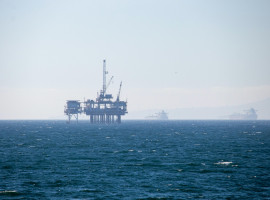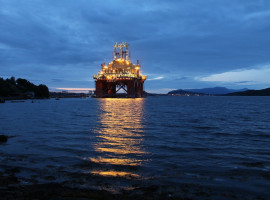
The Trump administration will put oil and gas leases covering more than 81 million acres in the Gulf of Mexico up for auction on Wednesday, August 12, in the third of 30 Gulf lease sales mandated under President Donald Trump’s 2025 tax and spending law.
Wednesday’s auction is also the second Gulf lease sale since the U.S.-Israeli war with Iran began in February, disrupting Middle East crude supplies and sending oil prices to four-year highs. Brent crude was trading above $89 per barrel on Wednesday.
The Interior Department will offer 15,100 unleased blocks across the U.S. Outer Continental Shelf, located between three and 231 miles offshore in water ranging from nine feet to more than 11,100 feet deep.
Despite the enormous area available, companies are bidding on only a small portion of it. Twelve companies submitted 69 bids covering roughly 330,000 acres, equivalent to about 0.4% of the 81 million acres offered, according to pre-sale documents released Tuesday.
The previous Gulf auction in March generated $46.98 million in high bids for 25 blocks covering roughly 141,000 acres. That was a fraction of the $300.4 million in high bids submitted in the first sale mandated under the 2025 law, held in December.
The Gulf currently accounts for roughly 15% of U.S. oil production, but offshore development has lost ground to shale in recent years because projects require substantially more upfront capital and take much longer to bring into production. That means Wednesday’s auction will do little to alleviate the immediate supply disruption caused by the Iran war, even if higher crude prices improve the economics of future Gulf projects.
The administration’s 30-sale program establishes regular Gulf auctions through 2039, giving producers a predictable schedule for acquiring new federal offshore acreage.
By Charles Kennedy for Oilprice.com
More Top Reads From Oilprice.com
- IEA: Global Oil Deficit To Hit 1.8 Million Bpd This Quarter
- Indian Refiners Seek 6 Million Barrels of Spot Crude
- LME Aluminum Stockpiles Sink to Lowest Level Since 1990