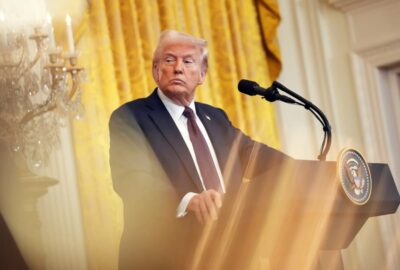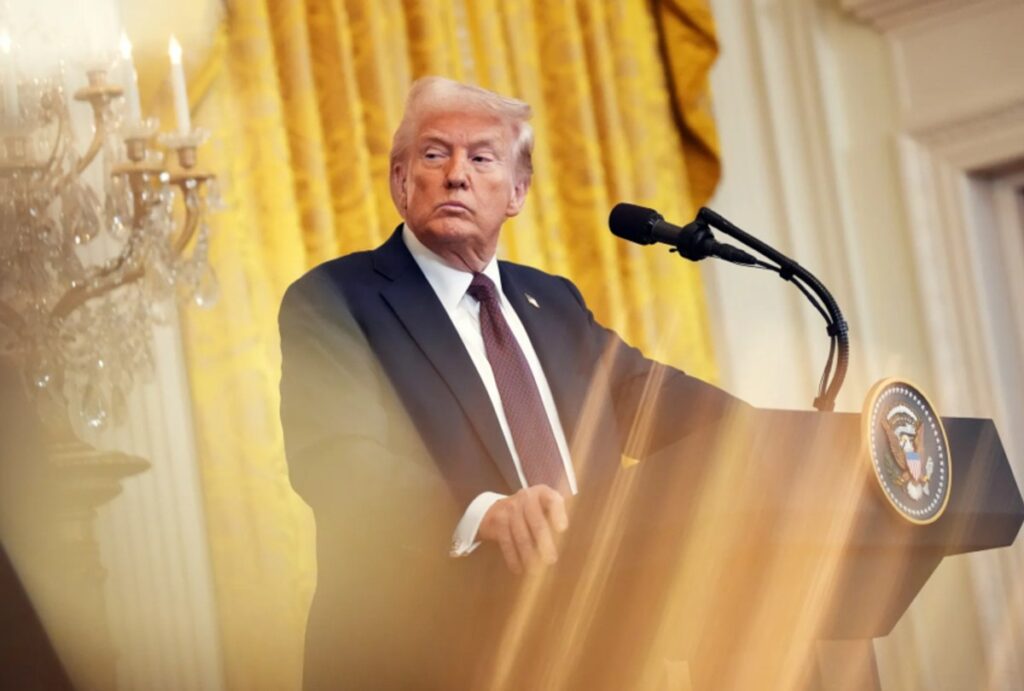
(Reuters) – U.S. President Donald Trump is expected to review as early as Monday a set of options to tame oil prices, which have spiked to more than $100 a barrel due to the Iran war, according to two people familiar with the matter.
The effort reflects White House worries that the surge in oil prices will hurt U.S. businesses and consumers ahead of the November midterm elections when Trump’s fellow Republicans are hoping to retain control of Congress. U.S. officials in Washington have been discussing with counterparts from the Group of Seven major economies a possible joint release of crude oil from strategic reserves as one of several measures currently under discussion, the sources said.
Get the Latest US Focused Energy News Delivered to You! It’s FREE:
Other options include restricting U.S. exports, intervening in oil futures markets, waiving some federal taxes and lifting requirements under a U.S. law called the Jones Act that domestic fuel move only on U.S.-flagged ships, among others, the sources said, speaking on condition of anonymity.
Administration officials are also exercising diplomatic pressure on Gulf allies to help restore production and shipping of oil, a third source told Reuters.
The White House added a Trump press conference at 5:30 p.m. to his schedule on Monday, but provided no details on whether he will make any announcements.
Analysts have said that U.S. policy options will have little sway over global oil markets as long as the fighting blocks Middle East oil exports accounting for a fifth of global supply through the Strait of Hormuz.
“The White House is in constant coordination with the relevant agencies on this important issue, as it is a top priority to the president. President Trump and his entire energy team have had a strong game plan to keep the energy markets stable well before Operation Epic Fury began, and they will continue to review all credible options,” White House spokesperson Taylor Rogers said in a statement, using the Trump administration’s name for the U.S.-Israel military operations targeting Iran.
In a post on his social media platform Truth Social on Sunday, Trump downplayed the price spike, saying the surge will be temporary and “is a very small price to pay for U.S.A.”
He added that only a “fool” would see it differently.
Global crude oil prices have hit levels not seen since mid-2022, briefly touching $119 a barrel, with gasoline and other fuel costs surging as a result since the U.S. and Israeli strikes began on February 28. The White House last week asked federal agencies to assemble proposals that could help ease pressure on crude and gasoline prices, Reuters previously reported. The deliberations involve top White House officials, including White House Chief of Staff Susie Wiles and top adviser Stephen Miller, the sources said.
Analysts and industry officials have said the White House has few meaningful tools to quickly curb rising oil prices unless authorities can restore the flow of tankers through the Strait of Hormuz, the narrow waterway between Iran and Oman that carries roughly a fifth of the world’s oil supply.
“The problem is options range from marginal through symbolic to deeply unwise,” said one of the sources, who is engaged with the White House on the effort.
The turmoil in energy markets comes at a sensitive moment for the president, who has sought to keep fuel prices low as a cornerstone of his economic message to voters. A prolonged spike in oil and gasoline costs could ripple through the broader economy, raising transportation and consumer prices.
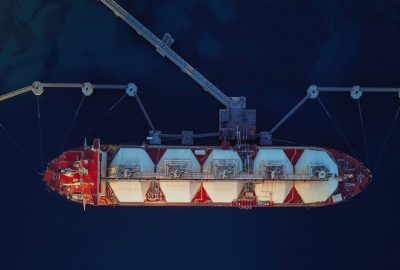
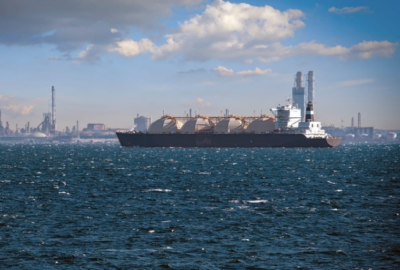
A White House plan to provide naval escorts and backstop insurance for tankers traveling the Strait of Hormuz so far has failed to significantly boost shipping traffic through the vital waterway.
Reporting by Jarrett Renshaw; Editing by Will Dunham and Nick Zieminski
Share This:
More News Articles