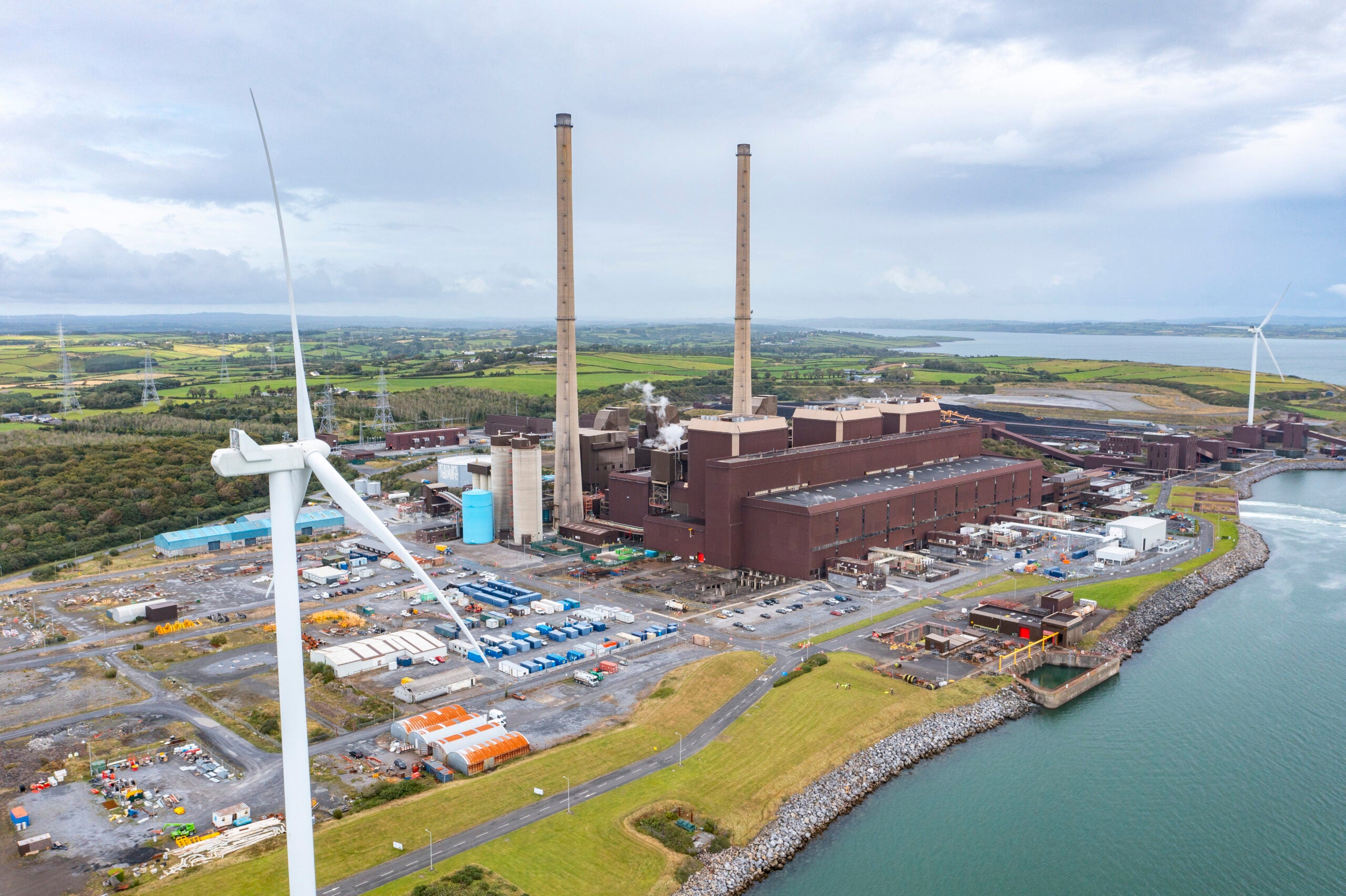
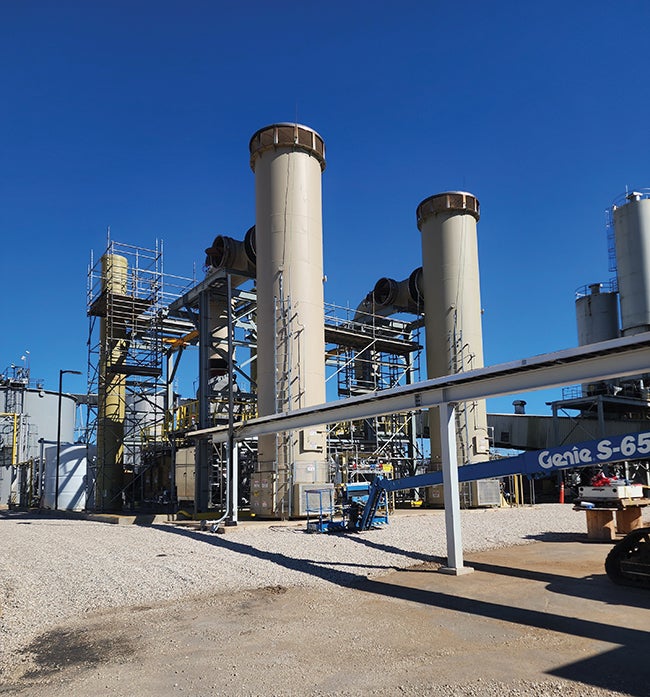
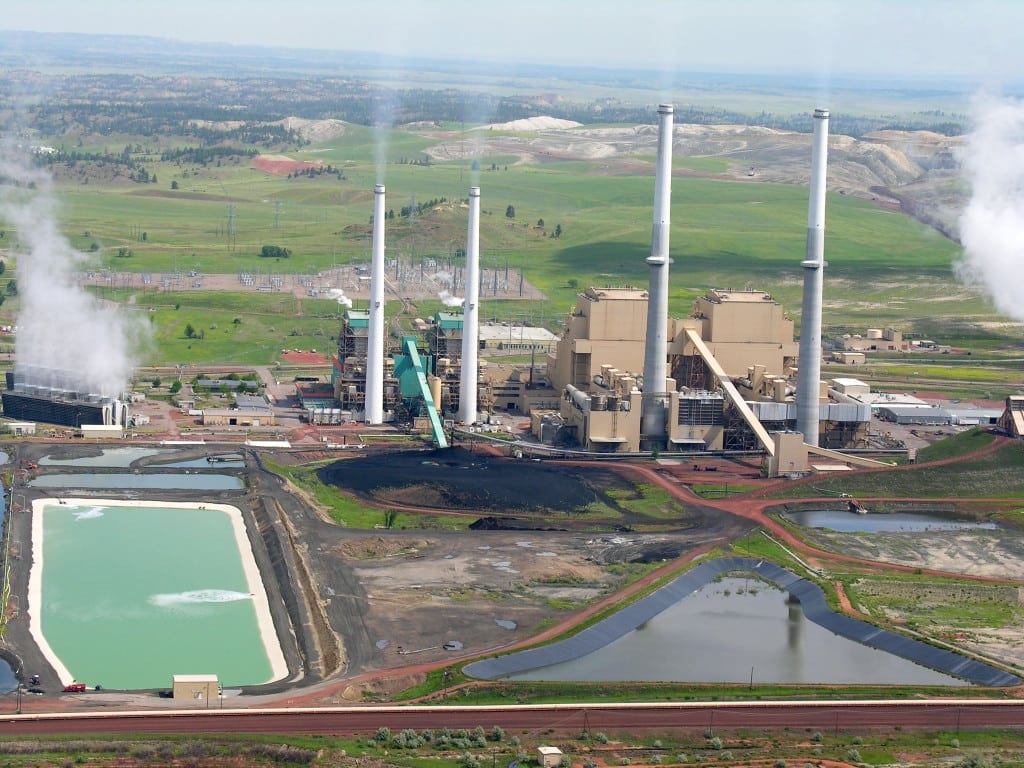
The Environmental Protection Agency (EPA) has granted nearly 70 coal-fired U.S. power plants a two-year exemption from federal requirements to reduce emissions of toxic chemicals such as mercury, arsenic and benzene. It’s another move by the Trump administration to boost the U.S. coal industry, measures that include encouraging electric utilities to continue operating coal-fired power plants that might otherwise be closed.
, operating at least 66 coal-fired facilities, that are receiving exemptions from the rules enacted during the Biden administration under the Clean Air Act. The exempted power plants include some owned by major power companies, including Southern Co., Dominion Energy, and NRG Energy.
The Tennessee Valley Authority, the nation’s largest public utility and a federal corporation, received exemptions for four of its power plants. The EPA in a statement Tuesday said the exemptions “will bolster coal-fired electricity generation, ensuring that our nation’s grid is reliable, that electricity is affordable for the American people, and that EPA is helping to promote our nation’s energy security.”
The Biden-era Mercury and Air Toxics Standard (MATS) is still in force after the Supreme Court in October of last year declined to put the rules on hold. A group of states, mostly led by Republicans and groups supporting the coal industry, led a legal challenge to suspend the MATS rule.
Trump, a Republican, issued a proclamation last week that said certain stationary energy sources subject to the MATS rule are exempt from compliance, as he continues to try to revive the coal industry and prolong the life of older coal-fired power plants. said the agency was moving to undo at least 31 regulations established during the Biden administration in an effort to support industries including electric utilities, oil and gas exploration, and petrochemicals.
Coal’s share of U.S. power generation has fallen below 20% in recent years, after supplying about half of the nation’s electricity in 2000, according to the U.S. Energy Information Administration. Natural gas has taken much of coal’s market share over the past two decades, as hydraulic fracturing and other drilling techniques have markedly increased production of the fuel. Natural gas in recent years has accounted for nearly half of U.S. power generation during the summer months.
The growth of renewable energy, including solar and wind power, also has taken market share from coal. Renewables account for more than 20% of U.S. power generation, according to EIA.
Michelle Bloodworth, president and CEO of America’s Power, a lobbying group for the coal-fired power industry, in a statement said Trump recognizes that the U.S. coal-fired power plant fleet is “essential to maintaining a healthy and secure electricity supply—the backbone of our economy.” Bloodworth said rules enacted by the Biden administration “were inconsistent with the Clean Air Act and based on an improper analysis of data.”
Bloodworth, , said the mercury rule, which was finalized last year, could have contributed to the retirement of dozens of coal-fired power units. Bloodworth and other supporters of the coal industry have argued that coal-fired units are critical to provide needed electricity and support reliability of the power grid. Utilities and energy industry analysts have told POWER that economics have been mostly responsible for coal plant retirements, as natural gas and renewable energy have proven more efficient and less costly than coal for power generation.
Environmentalists quickly criticized the exemptions, which require a presidential finding that technology required to meet the new rules is not widely available, and that continued operation of the power plants advances national security. Several groups said the exemptions simply allow operators of coal-fired stations to skirt laws meant to protect public health and the environment.
Trump last week in a series of executive orders said he was using emergency authority to allow older coal-fired power plants set for retirement to continue operating, citing rising U.S. power demand from data centers and artificial intelligence, along with electric vehicles. Trump also directed federal agencies to identify coal resources on federal lands. The president also wants to lift barriers to the mining of U.S. coal reserves, and prioritize coal leasing on U.S. lands.
—Darrell Proctor is a senior editor for POWER.